

Reviewed · MUSEUMS
Exporail, the Canadian Railway Museum
Old trains still have work to do. Just outside Montreal, Exporail turns Canada’s railway past into a living museum, with streetcars, passenger cars, steam locomotives, and more than 400 artifacts in its time-tunnel display. I like the chance to climb aboard the vehicles, and I like that the museum explains the people who worked inside them, not just the machines. The main drawback is that much of the site is outdoors, so poor weather can limit your enjoyment.
This is a good choice if you want something more hands-on than a room of glass cases. You can walk through railway cars, see how a caboose functioned as both workplace and living space, and learn about a teacher who taught in a school car. The standard visit costs $17 per person and includes the exhibitions and parking, but optional rides and activities cost extra and depend on the day’s schedule.
In This Review
- Key points to know before you go
- Why Exporail feels more like a working railway site
- Start in the 400-artifact tunnel
- Eight exhibitions, with displays that change by season
- The vehicles are the main event
- Meet the people behind the machines
- Add a tram, train, or miniature railway ride
- Walk the discovery trail outdoors
- Plan for a one-hour visit, or give yourself longer
- What you get for $17
- Food, the shop, and practical comfort
- Who will enjoy Exporail most?
- Should you book Exporail?
- FAQ
- Where is Exporail located?
- How much does admission cost?
- What does the admission ticket include?
- How long does the visit last?
- Is Exporail open all year?
- Are rides included with admission?
- Are guided tours available?
- What languages are offered?
- Is Exporail wheelchair accessible, and can I bring a pet?
Key points to know before you go
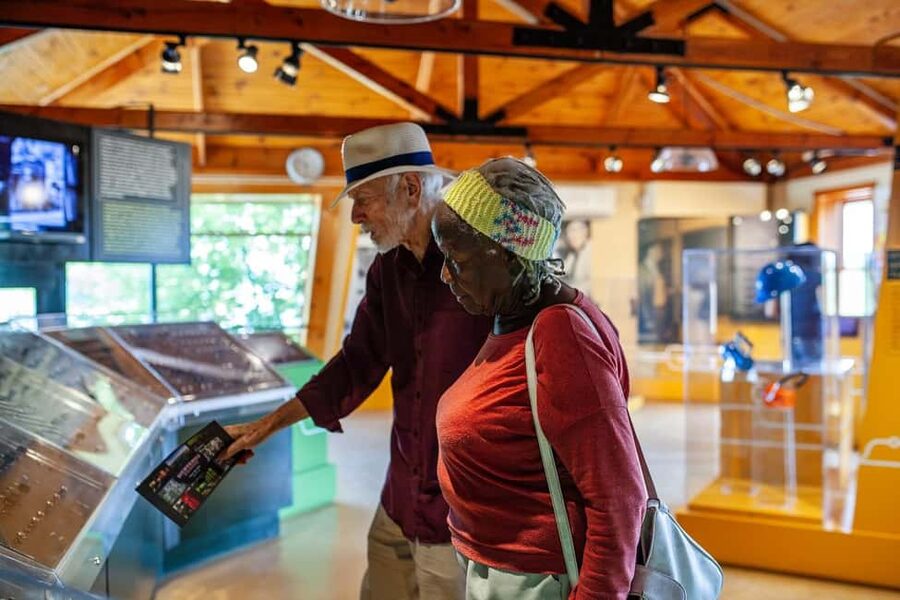
- More than 400 railway artifacts: The entrance tunnel gives you a quick visual introduction before you reach the larger vehicles.
- Climb aboard historic cars: You can enter streetcars, passenger cars, steam locomotives, and a caboose.
- Eight exhibitions included: Your admission covers the current exhibition program, with displays changing by season.
- A year-round museum near Montreal: Exporail works in every season, though outdoor areas are more pleasant in good weather.
- Optional rides add fun: Tram, passenger train, and miniature railway rides may be available for an additional fee.
- Weekend guided tours: Reception provides the meeting details for the themed tour offered that day, with guided tours on Saturdays and Sundays.
Why Exporail feels more like a working railway site
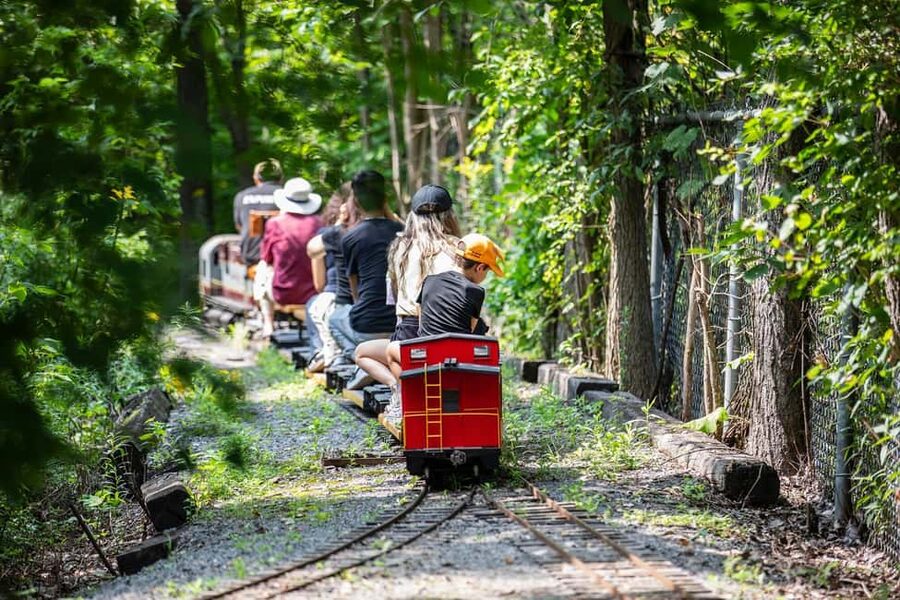
The best museums let you understand how ordinary people lived with the objects on display. Exporail takes that approach with Canada’s railway heritage.
You do not simply look at a locomotive from behind a rope. You can climb into selected vehicles and picture the jobs carried out inside them. A passenger car becomes more than polished wood and metal when you think about the people who rode in it. A caboose becomes a compact workplace and home for the railway worker assigned to it.
That human detail gives the visit its purpose. Railways helped develop Canada, and the museum connects the equipment to that larger story. The focus is not only on grand steam engines. It also includes streetcars, passenger transport, working railway spaces, and the everyday roles that kept the system moving.
I especially like the school car detail. A teacher working in a railway school car offers a glimpse of a Canada where rail transport was tied to education and community life. It is the sort of small story that helps children and adults understand why railways mattered beyond freight and timetables.
More Museums in Montreal
- Museum of Illusions Montreal – 70+ Illusions to Explore
★ 4.0 · 103 reviews - Montreal: Museum of Illusions Entry Ticket
★ 4.6 · 25 reviews - Montreal: Art Center and Museum Audio Guided Tour
★ 4.3 · 18 reviews
Start in the 400-artifact tunnel
Your visit begins at the main entrance, currently P1, near the railroad tracks crossing St. Pierre Street. Access through P2 is closed, so follow the current signs rather than relying on an older map or previous directions.
The entrance tunnel contains more than 400 artifacts. Think of it as a visual introduction to the museum rather than a place to linger for the entire visit. It helps set the scene before you reach the full-sized vehicles.
For a first visit, I would take a little time here to notice the range of objects. Small railway tools and artifacts can tell you how much work was required to operate, maintain, and organize a railway. The tunnel also gives you a useful sense of the museum’s main theme: railway technology shaped daily life and helped connect Canada.
The collection can feel dense if you try to inspect every item at once. You may get more from it by taking in the broad story first, then returning to objects that catch your attention later. Children may prefer to move quickly toward the large vehicles, while adults who enjoy details can use the tunnel as a slow opening chapter.
Eight exhibitions, with displays that change by season
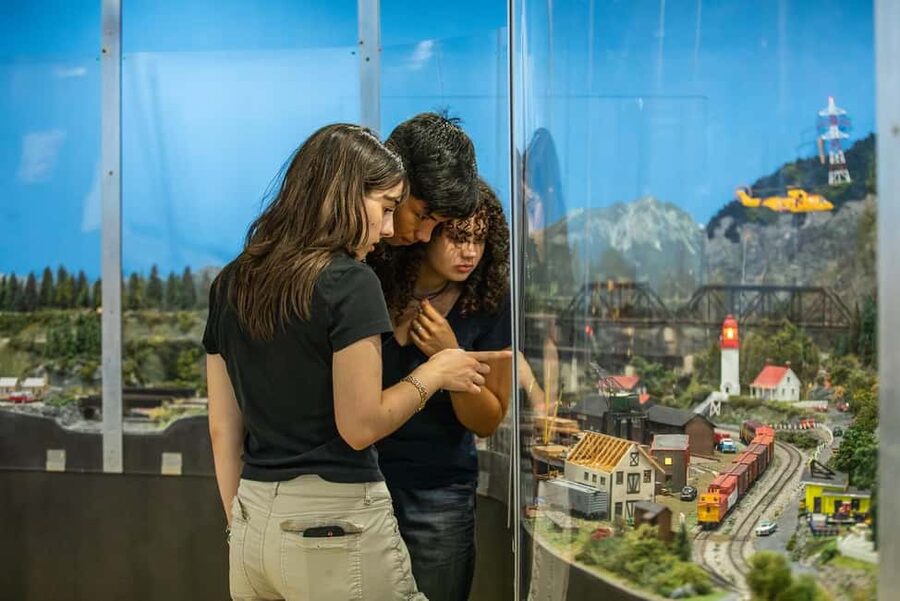
Admission includes access to all current exhibitions, with the exact selection depending on the season. That matters because Exporail is not one fixed exhibit hall. It is a collection of connected displays covering the development of rail transport and its effect on society.
You should expect a mixture of railway vehicles, historical objects, and interpretive displays. Some content is presented in its original language, while the museum provides French and English services. If you are visiting from outside Quebec, the bilingual setting makes the experience easier to follow, although a few original-language items may require more patience.
The eight-exhibition format also gives you flexibility. You can focus on engineering and vehicles, or spend more time on the social side of railway work. If one display interests you more than another, you are free to adjust your pace rather than follow a rigid route.
The exact exhibitions may change, so you should not plan your visit around a particular temporary display unless you confirm it for your date. The permanent railway collection is the safer reason to come.
The vehicles are the main event
Large railway vehicles give Exporail its sense of scale. You can see streetcars, passenger cars, and legendary steam locomotives up close, with selected vehicles open for public entry.
That access changes the experience. A locomotive viewed from the platform is impressive, but stepping inside helps you think about controls, work areas, and the practical demands of railway operation. Passenger cars can also make the past easier to picture because you see the spaces designed for people rather than only the machinery.
The museum’s collection invites comparison. Streetcars show urban transport in a different setting from long-distance passenger cars. Steam locomotives represent power and engineering, while a caboose shows the working end of a train. You get a broader understanding of railways by seeing these vehicles together.
I would not rush through this part. Give yourself time to look at the shape of the cars, the materials, and the way each vehicle was used. Even if you are not a railway enthusiast, the variety keeps the visit from becoming a single long display of similar engines.
The tradeoff is that the collection can be a lot to take in during the listed one-hour duration. If you want to read every panel, enter every accessible vehicle, and add a ride, you may need more time than the basic schedule suggests.
Still Montreal, at a slower pace:
- Montreal: Guided Bus Tour
★ 4.4 · 3,064 reviews - Montreal: Hop-On Hop-Off Double-Decker Bus Tour
★ 4.1 · 2,760 reviews - From Montreal: Quebec City and Montmorency Falls Day Trip
★ 4.5 · 2,669 reviews - Montreal Mile End Authentic Food Tour with 7 Delicacies Tastings
★ 5.0 · 2,598 reviews
Meet the people behind the machines
Exporail’s strongest stories come from the workers and communities connected to the trains. The museum presents characters who brought the vehicles to life, including a railway worker who lived and worked in a caboose.
That example helps you see the railway as a workplace, not just a transport system. The caboose was part of the train, but it was also where a worker carried out duties and spent time. Details like this can make the collection meaningful for children, history fans, and anyone interested in working life.
The school car provides another useful angle. A teacher teaching from a railway car shows how transport could bring services to people who were not near a conventional school. It is a distinctive story, and one that gives the museum a stronger Canadian focus than a basic collection of old trains would have.
When you enter the vehicles, look for clues about who used each space and what their day required. You do not need specialist railway knowledge. The best questions are simple: Who worked here? Who rode here? What problem did this vehicle solve?
Add a tram, train, or miniature railway ride
Optional activities can extend your visit. Depending on the day’s schedule, you may be able to choose a tram ride, a passenger train ride, or a miniature railway ride.
These activities are not included in the $17 admission, so check the schedule and extra prices before building them into your plan. Availability can vary, and the museum does not promise every activity every day.
A ride makes particular sense for families. Children get a moving experience rather than only a static display, and adults can see the vehicles in operation. The miniature railway may have the broadest appeal to younger children, while a tram or passenger train ride connects more directly with the full-size collection.
I would treat the rides as an enjoyable addition, not the sole reason to visit. The exhibitions and vehicles are the core experience, and the ride schedule may not match your arrival time. If the day is busy, start with the museum displays and then ask at reception about remaining departures.
Walk the discovery trail outdoors
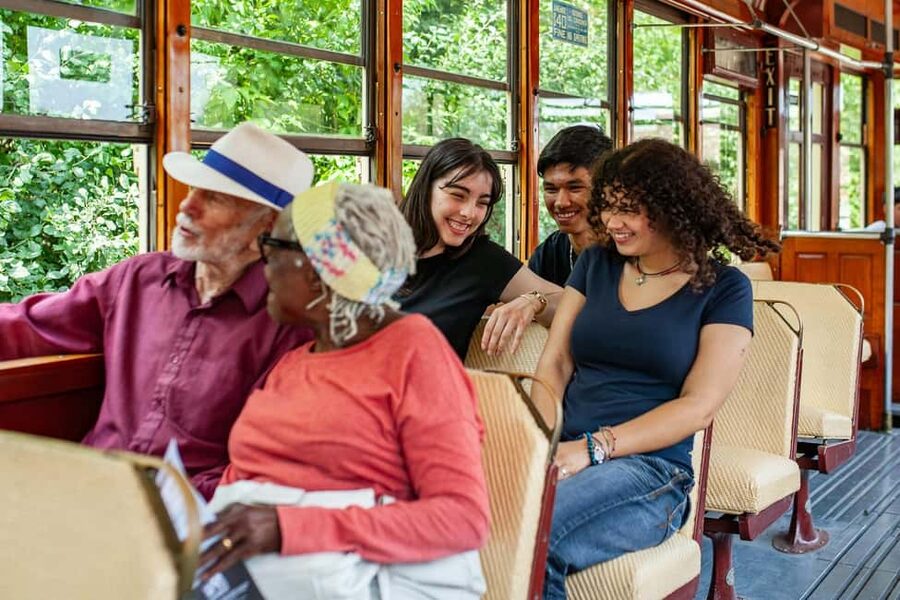
The discovery trail gives you a chance to leave the exhibition spaces and see the museum as a larger site. It is also the part most affected by the weather.
A September visit, for example, can be pleasant if the sky is clear, but outdoor movement becomes less comfortable in rain, cold, or strong heat. One practical visitor tip is simple: choose a good-weather day when possible. A large part of the visit involves moving between outdoor areas, even though indoor exhibitions provide a useful fallback.
Wear comfortable shoes and closed-toe shoes. That advice is worth taking seriously because you may walk between buildings, vehicles, and the trail. Open-toe footwear is not allowed as a recommended choice, and sturdy shoes make boarding and walking easier.
The trail adds breathing room after the tunnel and indoor exhibitions. It also helps you understand the size of the railway collection. Still, if the forecast is poor, plan for a shorter outdoor circuit and spend more time inside.
Plan for a one-hour visit, or give yourself longer
The advertised duration is one hour. That works as a focused introduction, especially if you concentrate on the tunnel, the major exhibitions, and a few vehicles.
I would allow extra time if you want a relaxed visit. The museum has eight exhibitions, a discovery trail, vehicles open to the public, and optional rides. Reading the displays and stepping aboard several cars can easily make the visit feel fuller than the stated one-hour format.
Your ideal pace depends on your interests:
- If you want a quick cultural stop near Montreal, one hour may be enough.
- If you are bringing children, add time for the vehicles, outdoor trail, shop, and any available ride.
- If you enjoy railway technology and social history, plan to stay longer so you can read the exhibits.
- If the weather is poor, expect to focus more heavily on the indoor displays.
The one-hour figure is best treated as the scheduled experience length, not a strict limit on how long you can explore the museum.
What you get for $17
At $17 per person, the ticket offers solid value for a museum with a sizeable collection and several types of activity. Your admission includes the current exhibitions and free parking, which keeps the basic cost straightforward if you are driving.
You also get access to a museum that is open all year, an advantage for residents of Greater Montreal and for visitors looking for an indoor activity outside the main summer season. The outdoor parts are more enjoyable in good weather, but the indoor collection gives you a reason to come during colder months.
The main cost question is the optional program. Tram, passenger train, and miniature railway rides are extra, and the day’s schedule determines what is available. If you want a low-cost visit, skip the add-ons and concentrate on the included exhibitions. If you want a more active family outing, set aside money for an optional ride.
Your spending also supports the preservation of Canada’s railway heritage. Purchases made on site, including in the impressive shop, contribute to the museum’s work of passing this material on to future generations. That does not make the ticket automatically right for everyone, but it adds value for people who care about historic preservation.
Food, the shop, and practical comfort
Dining areas are available, and you can bring your own lunch. Indoor and outdoor eating spaces are available depending on the season, so packing food can make the visit easier and help you avoid cutting your time short.
The shop is worth allowing a few minutes for, especially if you are visiting with children or anyone who likes railway models and themed items. It is presented as a place that appeals to both adults and children, and it gives you a final chance to continue the railway theme after the exhibits.
Reception is the place to ask about the day’s themed tour and optional activities. Guided tours are offered on Saturdays and Sundays in French and English. Since schedules can vary, check there early rather than assuming a tour or ride will still be available later.
The site is wheelchair accessible. Pets are not permitted, although assistance dogs are allowed. Alcohol and drugs are prohibited.
Who will enjoy Exporail most?
I would recommend Exporail to families, railway fans, history students, and anyone seeking a practical half-day idea near Montreal. Children get large machines and the possibility of rides, while adults get stories about work, transport, and Canada’s development.
It is also a good fit for visitors who prefer authentic objects to highly polished entertainment. The museum presents real vehicles and artifacts, and some of the displays retain their original language. That can give the visit a less artificial feel, though it may not suit someone looking for a fast, fully scripted attraction.
You may want to choose another activity if you dislike outdoor walking, have only a few minutes, or expect every vehicle to be open. The collection is substantial, but access to individual cars and optional activities can depend on the day.
Should you book Exporail?
Book it if you want an accessible railway museum with real vehicles, human stories, and enough variety for both adults and children. The $17 admission is reasonable because it includes eight current exhibitions and parking, while the optional rides let you control how much extra you spend.
Choose a clear day if possible, wear closed-toe shoes, and arrive ready to ask reception about the schedule. If you have only one hour, focus on the tunnel, the largest locomotives, and one or two vehicles you can enter. If you can stay longer, add the discovery trail, a ride, the shop, and a packed lunch.
Exporail is not simply a display of old trains. It shows how railway transport affected work, education, travel, and the growth of Canada. That makes it a worthwhile stop near Montreal, especially when you want history you can walk through rather than only read about.
FAQ
Where is Exporail located?
Exporail is in Greater Montreal, Quebec, Canada. The current main entrance is at P1, near the railroad tracks that cross St. Pierre Street.
How much does admission cost?
The listed admission price is $17 per person.
What does the admission ticket include?
Admission includes access to all current exhibitions, depending on the season, as well as free parking.
How long does the visit last?
The stated duration is one hour. You may spend longer on site if you explore the exhibitions, vehicles, discovery trail, shop, and optional activities.
Is Exporail open all year?
Yes. Exporail is open all year round, although some exhibitions and outdoor activities depend on the season.
Are rides included with admission?
No. Tram, passenger train, and miniature railway rides are optional activities. They are available depending on the day’s schedule and are not included in the standard admission.
Are guided tours available?
Yes. Guided tours are offered on Saturdays and Sundays. Reception provides information about the themed tour available that day.
What languages are offered?
The experience is offered in French and English. Some content is shown in its original language.
Is Exporail wheelchair accessible, and can I bring a pet?
Exporail is wheelchair accessible. Pets are not allowed, but assistance dogs are permitted.
Just added around Montreal
- Full Day Family Bike Rental★ 5.0 · 17 reviews
- Montréal Downtown and Underground City Private Walking Tour★ 5.0 · 47 reviews
- Winter Express: Old Montreal Highlights Walking Tour★ 5.0 · 119 reviews
- Montreal Premium Driving Tour with River Cruise and Notre Dame★ 4.5 · 164 reviews
- Under the Surface of Montreal’s Chinatown: Guided Food Walking Tour★ 5.0 · 23 reviews
- The Ultimate Montreal Boat Tour – Fall Colors Apéro Edition★ 4.5 · 31 reviews
- In the Shadow of the Mountain: Montreal Jewish History Walking Tour★ 4.5 · 33 reviews
- Immersive Virtual Reality Game Activity★ 5.0 · 19 reviews
Museums, compared.

Art Gallery of Ontario General Admission Ticket
Read our review →



Browse the lists this tour appears in