
Reviewed · MUSEUMS
Ottawa: Canadian Museum of Nature Admission
Ottawa’s castle hides a natural-world adventure. The Canadian Museum of Nature packs four floors of dinosaurs, whales, birds, minerals, and live creatures into a grand historic building about a 20-minute walk from Parliament Hill. I like the clear route through the galleries and the many hands-on displays, which work well for children, adults, and grandparents together. My main caution is time: you can rush through in an hour, but three to four hours is a more sensible plan.
The complete blue whale skeleton and the Canada Goose Arctic Gallery are two especially strong reasons to visit. I also like that the $19 admission covers the permanent galleries, Wi-Fi, and coat check, though limited-capacity special exhibits may require a separate timed ticket or extra charge, especially after 5:00 PM on Thursday.
In This Review
- Key points to know before you go
- A Gothic castle filled with Canada’s natural world
- Start with the galleries that match your group
- Dinosaurs, fossils, and the blue whale
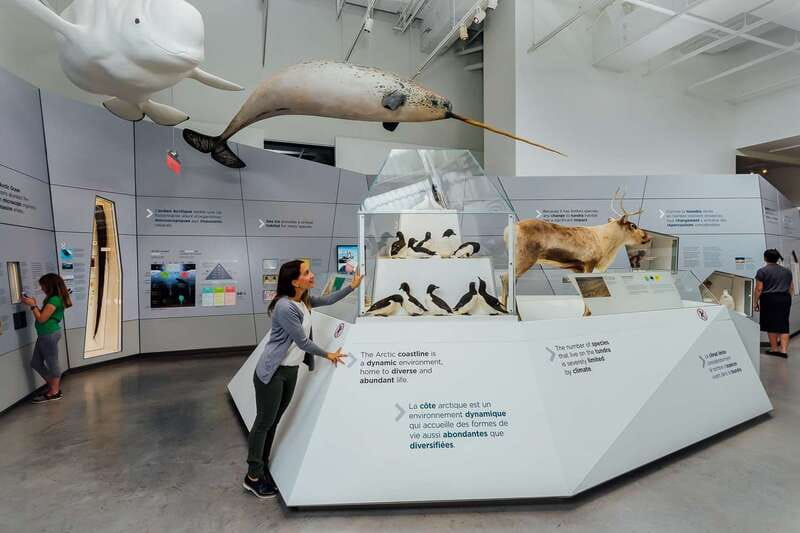
- Arctic Canada through ice and interactive displays
- Live animals bring the museum to life
- Butterflies in Flight: beautiful, warm, and limited
- Special exhibits and the value of the admission
- How long should you stay?
- Accessibility and useful planning details
- Who will enjoy this museum most?
- Should you book the Canadian Museum of Nature?
- FAQ
- Where is the Canadian Museum of Nature?
- How much does admission cost?
- How long is the admission valid?
- What does the ticket include?
- Do I need a separate ticket for Butterflies in Flight?
- Is the museum wheelchair accessible?
- Is parking available?
- Can children visit alone?
Key points to know before you go

- A full blue whale skeleton gives you an immediate sense of the animal’s enormous size.
- The Canada Goose Arctic Gallery uses hands-on displays, real ice, and interactive features to explain northern Canada.
- Live exhibits include Pacific tide pool creatures, insects, and the popular Butterflies in Flight display.
- The museum works for mixed-age groups, with games, talking exhibits, readable signs, and galleries that follow an easy route.
- Plan at least three hours if you want more than a quick look at the dinosaurs and fossils.
- Ask about special-exhibit tickets at arrival, since daily capacity is limited and Butterflies in Flight can sell out.
A Gothic castle filled with Canada’s natural world
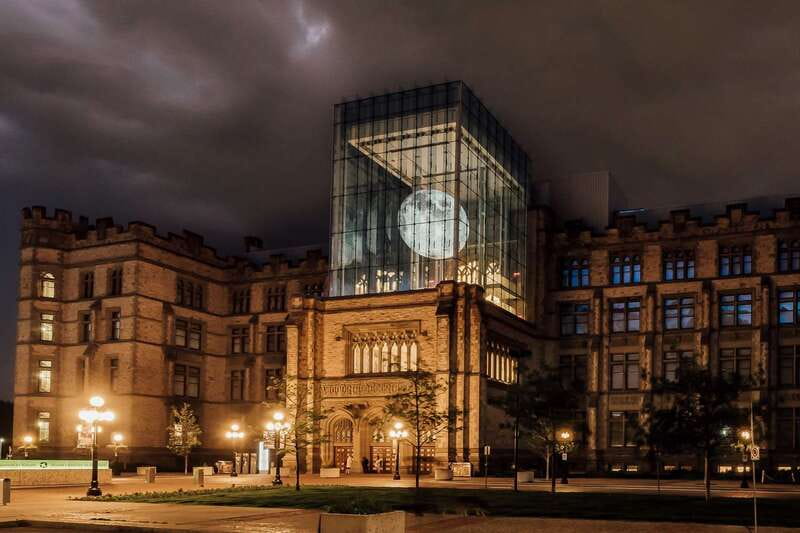
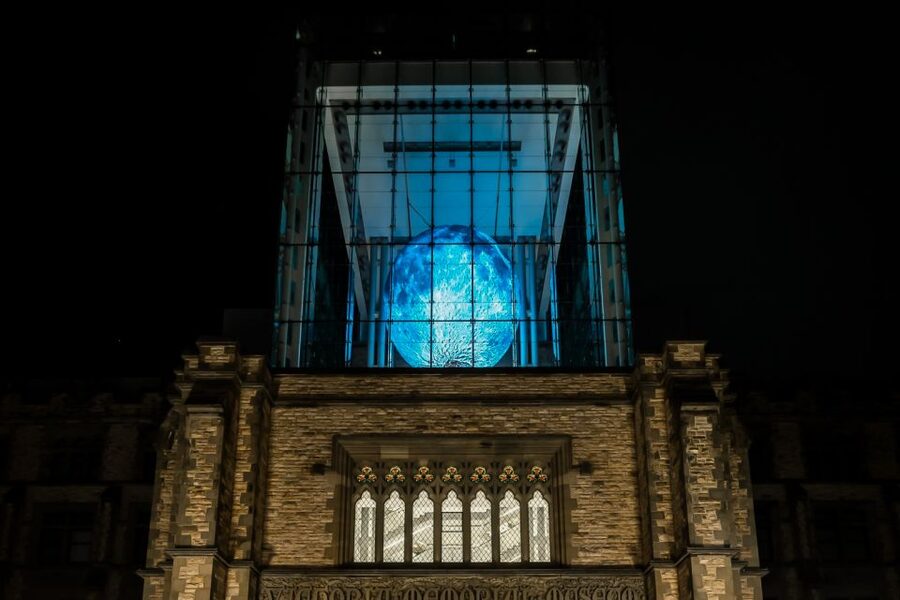
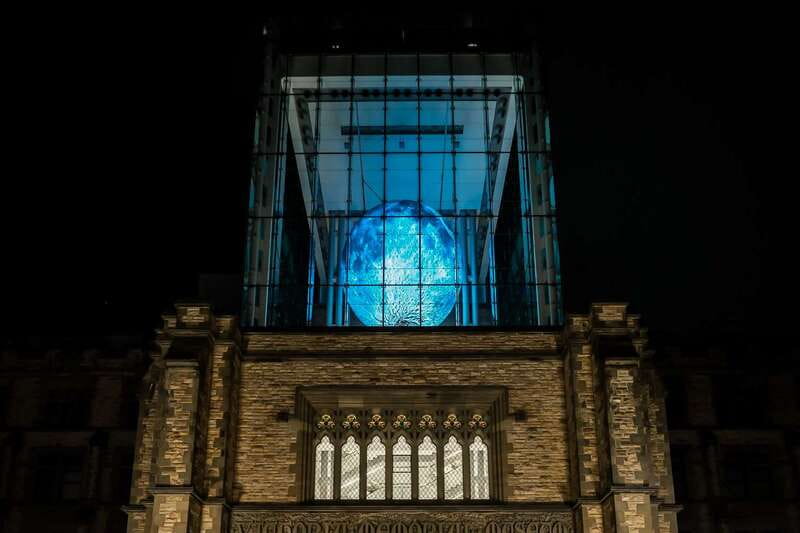
The building is part of the experience. Located on the edge of downtown Ottawa, the Canadian Museum of Nature occupies a striking historic structure that once served as Canada’s Parliament. Its castle-like appearance gives the visit a sense of occasion before you even reach the first gallery.
From Parliament Hill, you can walk there in roughly 20 minutes. Public transportation and paid parking on site make it practical in poor weather or for anyone who prefers not to walk. That matters in Ottawa, where a rainy or windy day can quickly change outdoor plans. One visitor described finding the museum especially useful during heavy rain and high winds, and that is exactly the sort of day when this indoor attraction earns its place on your schedule.
Admission is listed at $19 per person. For a museum with four floors of permanent galleries, that is good value, especially if you spend several hours inside. You are not paying for one small display or a short guided visit. The ticket gives you access to the museum’s permanent collection areas, including geology, ecology, paleontology, mammals, birds, water, Earth, and live exhibits.
Opening hours change with the season, so check the current schedule before setting out. The museum is open later on Thursdays, until 8:00 PM. Entry after 5:00 PM on Thursdays is complimentary for the general museum, but special exhibits may still cost extra.
More Museums in Ottawa:
- Ottawa: Canadian War Museum Admission
★ 4.7 · 232 reviews - Canadian War Museum Admission
★ 4.5 · 213 reviews - Ottawa Small Group Walking Tour with Cruise and Art Gallery
★ 3.5 · 21 reviews
Start with the galleries that match your group
The museum can feel large at first. Four floors offer a lot to take in, and it is easy to spend too much time reading every panel early in the visit. I suggest scanning the floor plan or asking at the entrance which displays are open, then choosing two or three priorities before wandering.
Families should appreciate the way many galleries follow a rough route rather than placing everything in one enormous room. That makes it easier to keep track of children and reduces the feeling of being lost. Games, activity stations, and talking exhibits add variety for children who are not yet keen on long labels.
The signs are placed in logical positions and are large enough to read comfortably. That small detail matters. A museum can have excellent objects and still frustrate you if the information is cramped or badly placed. Here, you can usually understand what you are looking at without standing in someone else’s way.
The displays are not limited to objects behind glass. Interactive features ask you to consider problems and questions connected with nature. This gives the visit more purpose than simply moving from one case to the next. It also helps adults stay interested while younger visitors work through the hands-on elements.
Dinosaurs, fossils, and the blue whale
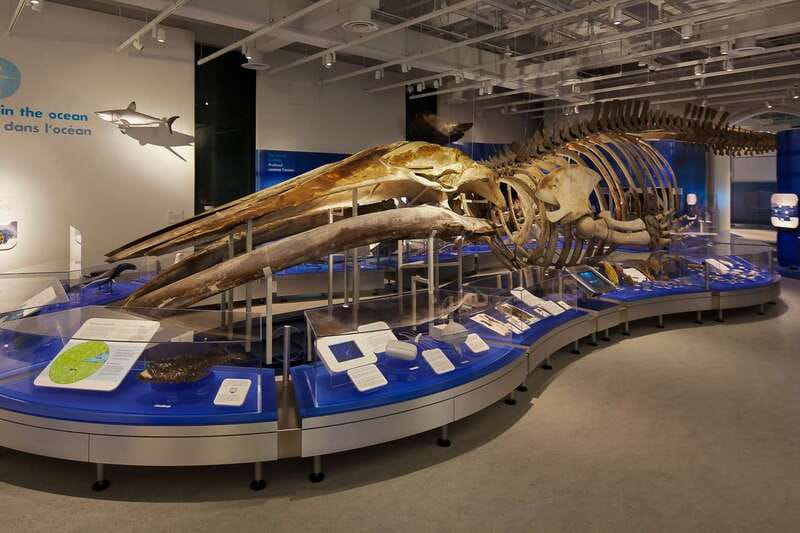
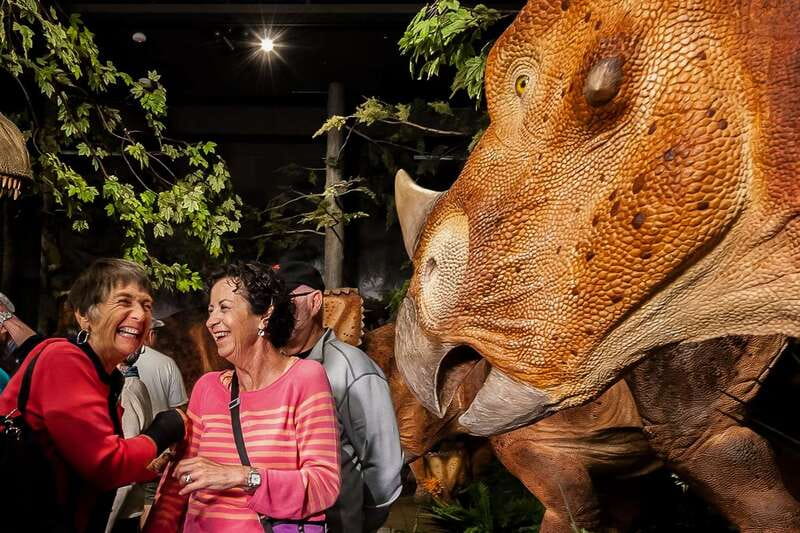
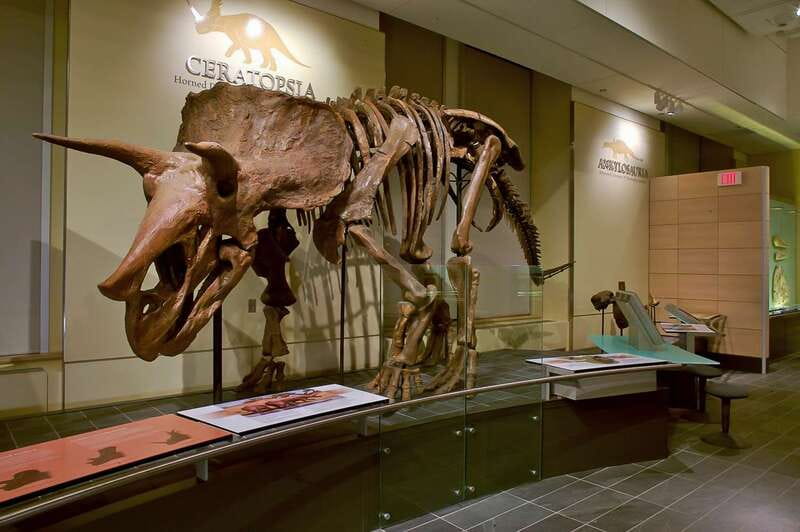
The paleontology galleries provide some of the museum’s biggest visual moments. You will encounter giant dinosaurs and a large number of dinosaur and whale fossils. The scale is useful here: bones that can seem abstract in a book become physical evidence of how large and unusual past animals were.
The complete blue whale skeleton is another major attraction. Seeing the whole animal represented by bone makes its size easier to grasp than a photograph ever could. It is the kind of display that works for all ages because it needs little explanation to make an impression.
The fossil galleries also give the museum an educational edge. You are not only looking at large bones. The displays connect past life with Earth’s changing conditions and the long story of animals that once lived in Canada and elsewhere. If your children are in a dinosaur phase, this section may become the anchor for the whole visit.
Allow extra time here if paleontology interests you. A quick walk will show you the largest specimens, but the labels and smaller fossils add much of the context. One family found that the museum needed three to four hours to do it justice, and that is a useful guide if you want to read and use the interactive stations rather than simply take photos.
Arctic Canada through ice and interactive displays
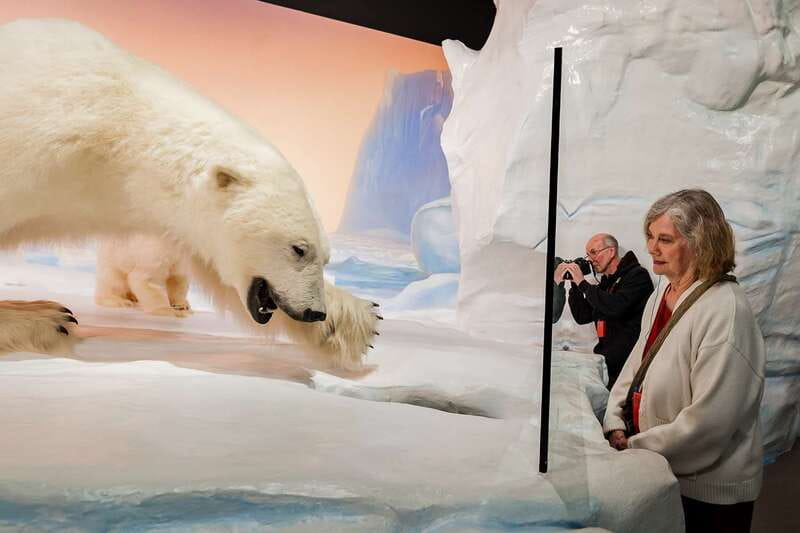
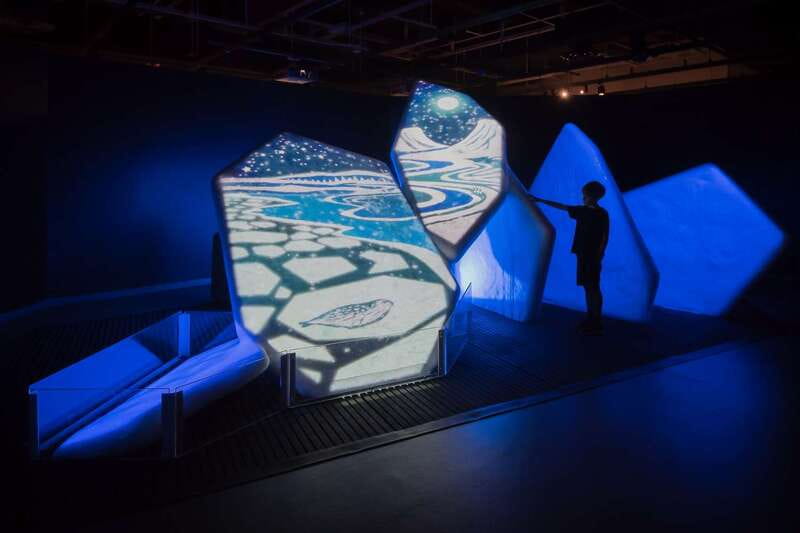
The Canada Goose Arctic Gallery focuses on a part of Canada that many visitors will never see firsthand. It presents the Arctic as distinctive, vulnerable, and full of life, using hands-on features to make the subject easier to grasp.
One memorable element lets you touch real ice. That simple physical contact helps connect the displays to real conditions rather than leaving the Arctic as a distant idea on a screen. Interactive exhibits also make this gallery a good choice for children, who can learn through action instead of relying only on written explanations.
The gallery covers the mysteries of water, Earth, and the creatures that live in northern environments. You might find this section more rewarding after seeing the fossils and geology displays, since the museum repeatedly links present-day nature with the forces that shaped the planet.
This is also a good place to slow down. The museum offers plenty of large animals and dramatic specimens, but the Arctic gallery asks you to think about fragile systems and changing conditions. It gives the visit a wider purpose without turning the experience into a classroom lecture.
A few more Ottawa trips worth comparing
- Ottawa: Sightseeing River Cruise
★ 4.3 · 1,585 reviews - Ottawa: Rideau Canal Cruise
★ 4.4 · 1,303 reviews - Ottawa: Hop-On Hop-Off Guided City Tour Pass
★ 4.4 · 1,194 reviews - Ottawa Boat Cruise – Rideau Canal Cruise
★ 4.5 · 1,127 reviews
Live animals bring the museum to life
The Canadian Museum of Nature does not rely only on fossils and mounted specimens. Live displays add movement and surprise, particularly in the Pacific tide pool area and Bugs Alive.
Pacific tide pool creatures give you a close look at animals from a coastal environment. These exhibits can be especially useful for younger children because the animals are active and easier to connect with than a preserved specimen. Check the gallery capacity counters at the entrance, since the museum uses them to help manage crowding and physical distance.
Bugs Alive is another favorite for families. Live insects can be a hard sell for some adults, but the display makes them part of the museum’s main story about adaptation and the natural world. One family found the live bug exhibit more enjoyable than a separate paid bug display, so keep that distinction in mind when deciding how to spend extra money.
The live areas may also be the most memorable sections for children who need a change of pace after the dinosaur galleries. You can move from huge skeletons to tiny moving creatures without leaving the building.
Butterflies in Flight: beautiful, warm, and limited
Butterflies in Flight is a special exhibit in the museum’s Solarium. Inside, dozens of live butterflies fly freely through a warm, humid tropical setting. New pupae arrive from Costa Rica and the Philippines each week, so the display has a changing quality rather than feeling like a static room of pinned specimens.
The setting is a pleasant contrast to the museum’s stone halls and fossil galleries. You may see butterflies moving around you at close range, which makes this a gentle and memorable stop for children and adults alike.
There are practical points to know. Capacity is limited, and the exhibit may sell out each day. Ask for a ticket when you arrive, then choose a time if space remains. You may need to wait in line before entering.
The room is warm and humid. Wear layers or use the coat check for your jacket and other belongings. Butterflies in Flight is not automatically something you should assume you can enter at any time, so handle it early in your visit if it is a priority.
Special exhibits and the value of the admission
Your general admission includes access to the permanent galleries and special exhibits, but special-exhibit entry can depend on capacity. Ask at the entrance for current tickets and instructions. On Thursday evenings after 5:00 PM, general museum entry is complimentary, but special exhibits have an additional cost.
That Thursday policy can be a smart bargain if you mainly want the permanent galleries and can visit after work or dinner. It is less useful if Butterflies in Flight or another special display is the main reason for your visit, since you may still need to pay and secure a timed ticket.
The museum has also presented temporary experiences such as The Man Who Planted Trees: An Immersive Tale, based on Jean Giono’s story and using visuals and sound. Temporary programming changes, so treat this as a reminder to check what is on during your visit rather than as a permanent promise.
At $19, the main ticket offers strong value for a full afternoon. If you only have an hour, the cost is still reasonable, but you will see only a fraction of what the building contains. The museum is large enough that returning on another day could make sense if you want to read closely or see a special exhibit without rushing.
How long should you stay?
Give yourself three to four hours for a satisfying first visit. That allows time for the major dinosaur and whale displays, Arctic exhibits, live animals, and a reasonable number of interactive stations.
You can spend longer. Some visitors found they could have used another day or more to take in everything. That may be an exaggeration for most holiday schedules, but it shows how easily the museum expands when you stop to read, play, and compare exhibits.
If you have young children, plan a break rather than expecting nonstop attention for four hours. The museum has a cafe, which gives you a useful pause between floors. A longer visit also works well when one person in your group moves quickly and another wants to examine every fossil label.
The route is manageable for mixed-age groups, but the building can become busy. Children must stay with an adult, and the museum’s code of conduct applies to everyone. One critical point from a visit was that uncontrolled running children made some galleries less comfortable, so quieter periods may be preferable if you want a calm, careful visit.
Accessibility and useful planning details
Wheelchair access is available through the main entrance. Staff can assist visitors with mobility needs, and the museum has been praised for friendly, positive help in that situation. The building’s size means you should still allow extra time to move between floors and galleries.
A coat check is included, which is handy in Ottawa’s colder months and especially useful before entering the warm butterfly room. Wi-Fi is also included.
Smoking and pets are not allowed, although assistance dogs are permitted. Unaccompanied minors are not allowed, and children must be accompanied by an adult.
Capacity counters at gallery entrances help with physical distancing and planning. If a gallery looks busy, you can use them to decide whether to wait or visit another section first. Paid parking is available on site, while public transportation and walking from Parliament Hill provide other options.
Who will enjoy this museum most?
I would recommend the Canadian Museum of Nature to families with children of different ages, couples looking for a rainy-day activity, grandparents traveling with grandchildren, and anyone who wants a break from Ottawa’s political and outdoor attractions.
It is particularly good for groups with mixed interests. A dinosaur fan can head for fossils, someone interested in animals can spend time with mammals and birds, and another person can focus on minerals, Arctic Canada, or live insects. The interactive design gives children something to do while adults read.
You may want to choose another activity if you dislike museums with families and active children, especially during busy periods. The building is spacious, but popular galleries and live exhibits can still feel crowded.
Should you book the Canadian Museum of Nature?
Yes, if you want a flexible, family-friendly indoor attraction with enough material for several hours. The $19 price is fair for the number of permanent galleries, and the blue whale skeleton, Arctic gallery, dinosaur fossils, and live exhibits give you a strong mix of scale, science, and hands-on fun.
Book it with a plan. Arrive early enough to ask about Butterflies in Flight or other timed special exhibits, and reserve at least three hours for the permanent galleries. If you are in Ottawa on a Thursday evening, the free general admission after 5:00 PM can improve the value, but confirm the added cost of special exhibits.
Skip it only if your schedule allows less than an hour or if your group has no interest in natural history. For most families and curious adults, this is one of Ottawa’s most useful all-weather stops.
FAQ
Where is the Canadian Museum of Nature?
The museum is in Ottawa, Ontario, Canada, about a 20-minute walk from Parliament Hill. You can also reach it by public transportation or car.
How much does admission cost?
Admission is listed at $19 per person.
How long is the admission valid?
The admission is valid for one day.
What does the ticket include?
It includes admission to the Canadian Museum of Nature, access to permanent galleries, access to special exhibits subject to capacity, Wi-Fi, and coat check.
Do I need a separate ticket for Butterflies in Flight?
You should ask at arrival for a ticket and time slot. Capacity is limited, and the exhibition may sell out. After 5:00 PM on Thursdays, special exhibits have an additional cost.
Is the museum wheelchair accessible?
Yes. Wheelchair access is available through the main entrance.
Is parking available?
Paid parking is available on site.
Can children visit alone?
No. Children must be accompanied by an adult, and unaccompanied minors are not allowed.
Just added around Ottawa
- Ottawa Small Group Premium City Tour★ 4.5 · 159 reviews
- Ottawa Mystery Quest: Self-Guided Detective Adventure★ 4.0 · 11 reviews
- Lilo Floating Tiki Bar on the Ottawa River★ 5.0 · 70 reviews
- Secrets of the Château Laurier Hotel Tour★ 4.5 · 44 reviews
- Full Day Pontiac Wine & Cider Tour – Day Trip From Ottawa & Gatineau★ 5.0 · 73 reviews
- Street Art Exploration Game and Self-Guided Tour in Ottawa★ 4.0 · 20 reviews
- Ottawa Ecological Reserve Kayak Tour with TURTLE Sightings★ 5.0 · 16 reviews
- Ottawa Food Tour with ByWard Market Flavors & 6 Local Tastings★ 5.0 · 13 reviews
Museums, compared.
Art Gallery of Ontario General Admission Ticket
Read our review →




Browse the lists this tour appears in