
Reviewed · MUSEUMS
Toronto: Museum of Illusions Entry Ticket
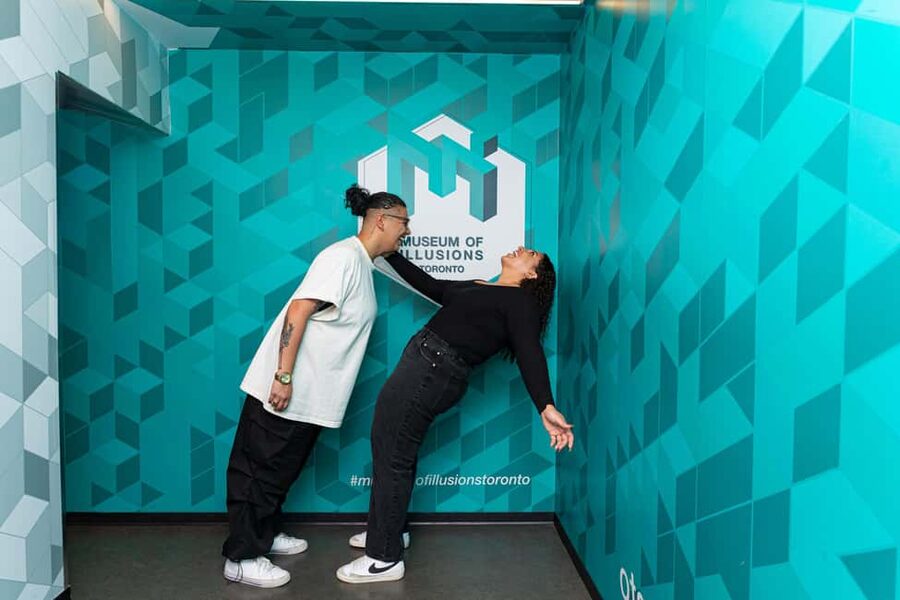
Reality gets slippery here. Toronto’s Museum of Illusions turns light, perspective, mirrors, and balance into a hands-on outing with more than 100 exhibits, making it an easy downtown activity for families, couples, and curious adults. You can wander at your own pace, take photos, and try to work out why your eyes keep getting things wrong.
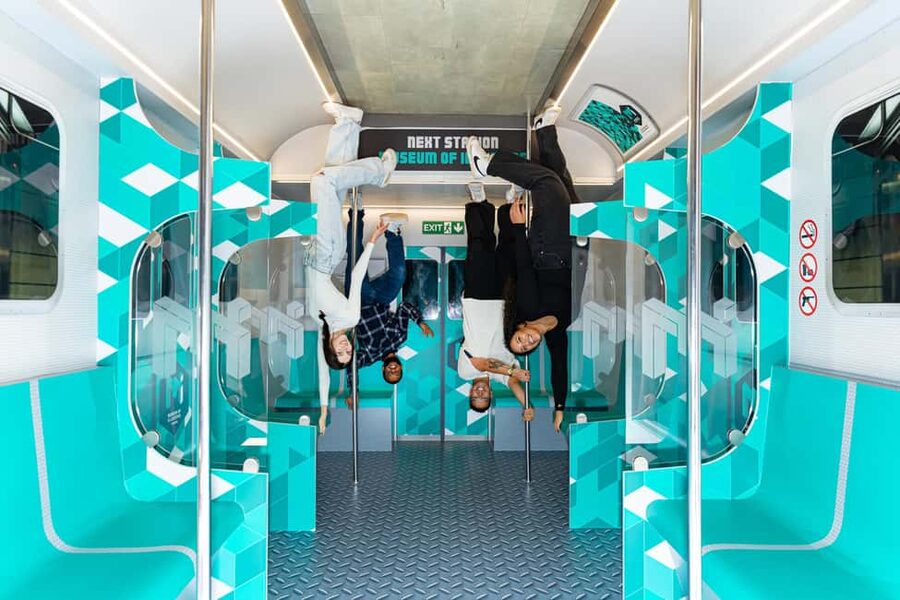
I especially like the vortex tunnel, where a stationary walkway feels as if it is tilting and spinning, and the game room, where 3D puzzles give the visit some mental work instead of making it only a photo stop. The main drawback is value: at $25 per person, the visit can feel expensive if you move quickly or arrive when the rooms are crowded.
The advertised visit lasts about one hour, but your actual time may depend on how long you spend at each exhibit. One especially useful point is that this is not a guided tour with a fixed route. You get an English-speaking host or greeter, then explore independently.
In This Review
- Key points to know before you go
- What the Museum of Illusions actually offers
- Starting with holograms and visual illusions
- The vortex tunnel and the problem of balance
- The infinity room and distorted space
- The game room adds more than photo tricks
- How long you should allow
- Is $25 good value?
- Who will enjoy this most
- Access, language, and practical details
- How to fit it into a Toronto day
- Should you book the Museum of Illusions?
- FAQ
- Where is the Museum of Illusions experience located?
- How much does admission cost?
- How long does the visit last?
- Is the Museum of Illusions suitable for children?
- Is the museum wheelchair accessible?
- Is the experience guided?
- What languages are available?
- Can I take photographs inside?
- Is the experience suitable for people with vertigo?
- Can I cancel my booking?
Key points to know before you go
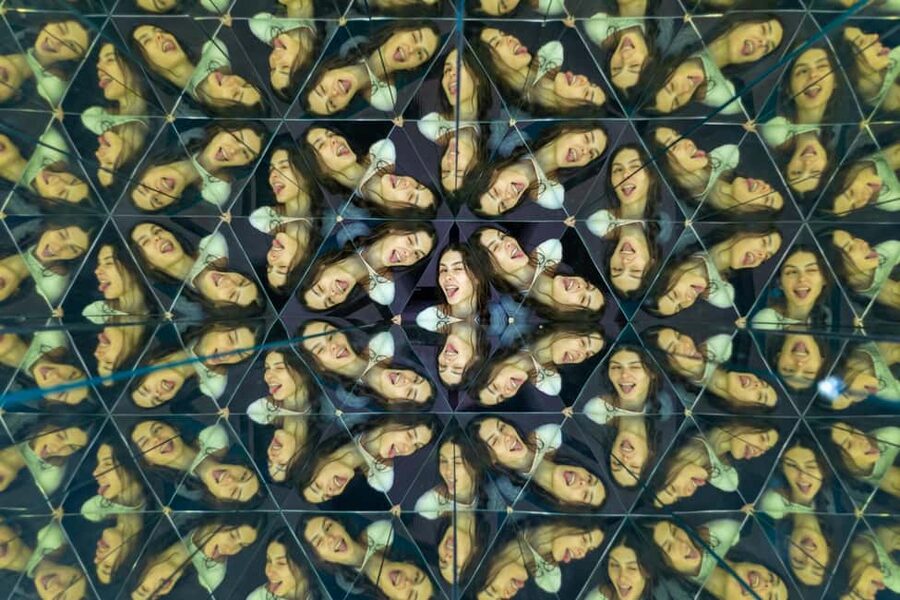
- More than 100 optical exhibits: Expect holograms, distorted reflections, perspective tricks, and hands-on displays rather than traditional museum cases.
- The vortex tunnel is the headline attraction: The floor appears to shift beneath you, even though you remain in place.
- The game room adds real play value: 3D puzzles and brain teasers suit visitors who want more than quick photographs.
- Plan for about one hour: Some people may finish much sooner, especially if the museum is busy or they skip puzzles.
- Crowds affect the experience: Popular photo stations can be harder to enjoy when several people are waiting.
- Not suitable for people with vertigo: The vortex tunnel and other visual effects can be uncomfortable for anyone sensitive to spinning sensations.
What the Museum of Illusions actually offers

This is a compact, interactive attraction built around a simple idea: your eyes can be fooled. Instead of moving through rooms filled with historical objects, you move from one visual problem to another, testing your balance, perspective, and assumptions.
The museum has more than 100 exhibits. That sounds like a large number, but the quality of your visit will depend less on counting displays and more on how actively you use them. Some stations invite a quick look and photograph. Others reward patience, especially the puzzles and perspective-based exhibits.
I would approach this as a playful science outing, not a conventional museum visit. You are not there to read long panels or study original objects. You are there to test what you see, laugh at the results, and understand how light and perspective can alter your perception.
That makes the attraction especially easy to enjoy with children. Adults can have fun too, particularly if you resist the urge to rush through the photo stations. The best moments come when you stop and ask why the image appears to bend, repeat, disappear, or change size.
More Museums in Toronto:
- Royal Ontario Museum Admission
★ 4.5 · 411 reviews - Toronto: Art Gallery of Ontario General Admission Ticket
★ 4.6 · 251 reviews - Museum of Illusions Admission in Toronto
★ 3.5 · 214 reviews
Starting with holograms and visual illusions
The early exhibits introduce the basic language of the museum. Holograms and light-based displays play with what appears to be solid, moving, or present in front of you. These are good opening stations because they require little explanation and quickly set the tone.
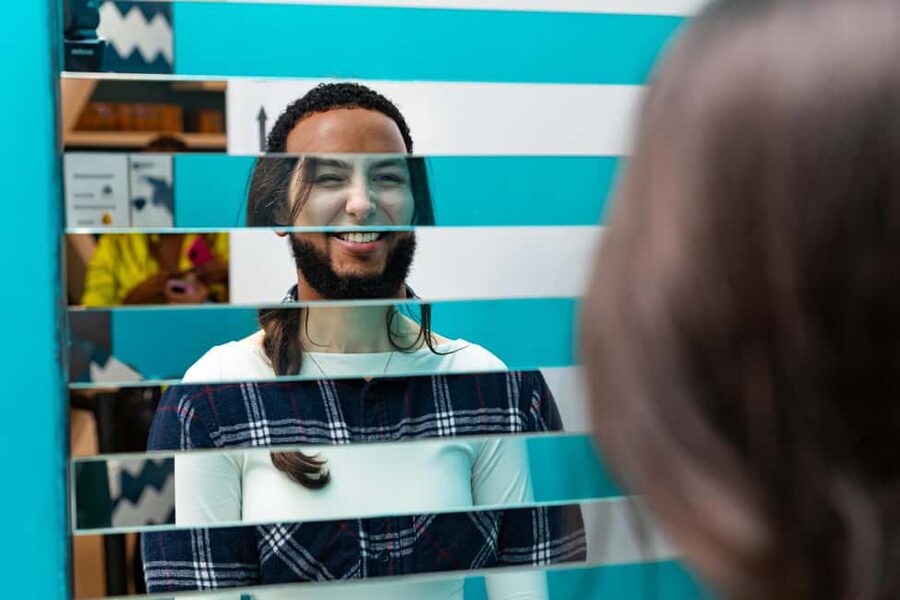
You can photograph many of these displays, but the camera does not replace the experience. A picture may record the trick, while your own eyes are still trying to make sense of it. I like that the exhibits are designed for participation rather than passive viewing.
Visual illusions based on perspective can also change depending on where you stand. A display may look ordinary from one angle and distorted from another. This is where the museum becomes more than a collection of amusing images. It gives you a direct lesson in how your brain fills in missing information and makes quick judgments.
The photo opportunities are a major part of the attraction. If you are visiting with friends or family, take turns stepping into the displays and photographing the result. Allow extra time if you want several good pictures, since setting up a shot can take longer than simply looking at an exhibit.
Crowding matters here. When the museum is full, you may need to wait for a clear turn at the most popular displays. That can make the one-hour visit feel rushed, especially if you want to solve puzzles and take photographs rather than simply walk through.
The vortex tunnel and the problem of balance
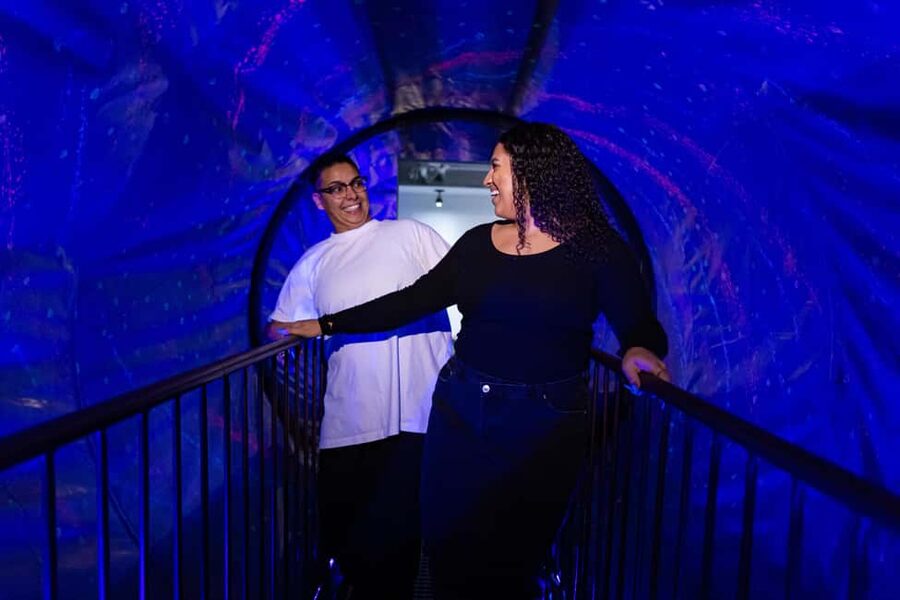
The vortex tunnel is likely to be the most memorable stop. You walk through a passage that creates the feeling that the ground is shifting and the space is turning around you. In reality, you remain on a stable walkway, but your senses receive conflicting signals.
This is a clever example of the museum’s central theme. Your eyes report movement, while your body knows that you are standing on a fixed surface. The result can feel surprisingly strong, even though the effect is created by the surrounding visual environment.
You do not need to understand the mechanics to enjoy it. Still, the exhibit becomes more interesting when you notice the disagreement between sight and balance. It is the kind of display that children often repeat, while adults may prefer to move through slowly and hold onto their bearings.
There is an important warning here: the attraction is not suitable for people with vertigo. If spinning or shifting visual effects make you uncomfortable, you may want to skip the tunnel and focus on the other exhibits. The museum is still accessible to wheelchair users, but the supplied information does not specify how every individual display works for every mobility need.
If you are sensitive to motion, do not feel pressured to try every station. The ticket covers the museum, not a requirement to test your limits. You can enjoy the optical displays and puzzle areas at a gentler pace.
The infinity room and distorted space
The infinity room creates the impression of endless space. Mirrors and repeated reflections make the room seem much larger than its physical boundaries, giving you the sense that the image continues far beyond what you can touch.
This is one of the better places to slow down. The effect is not only visual. It also changes how you think about the size and shape of the room. A small physical area can appear vast when reflections repeat in the right way.
The room is also likely to be popular for photographs. If you want a clean image, you may need patience and cooperation from the people in your group. In a crowded visit, the room can lose some of its magic because other people appear in the reflections or wait nearby.
That trade-off is common throughout the museum. The displays are designed to be shared, photographed, and discussed, but those same features can create bottlenecks. I would visit with the expectation that some exhibits will require a little waiting.
A few more Toronto trips worth comparing
- Toronto: Niagara Falls Day Tour with Optional Boat Cruise
★ 4.6 · 3,178 reviews - Niagara Falls Day Tour from Toronto
★ 5.0 · 2,889 reviews - Toronto: Casa Loma Entry Ticket
★ 4.7 · 2,705 reviews - Niagara Falls Canada Day Tour From Toronto + Boat Cruise Option
★ 5.0 · 2,576 reviews
The game room adds more than photo tricks
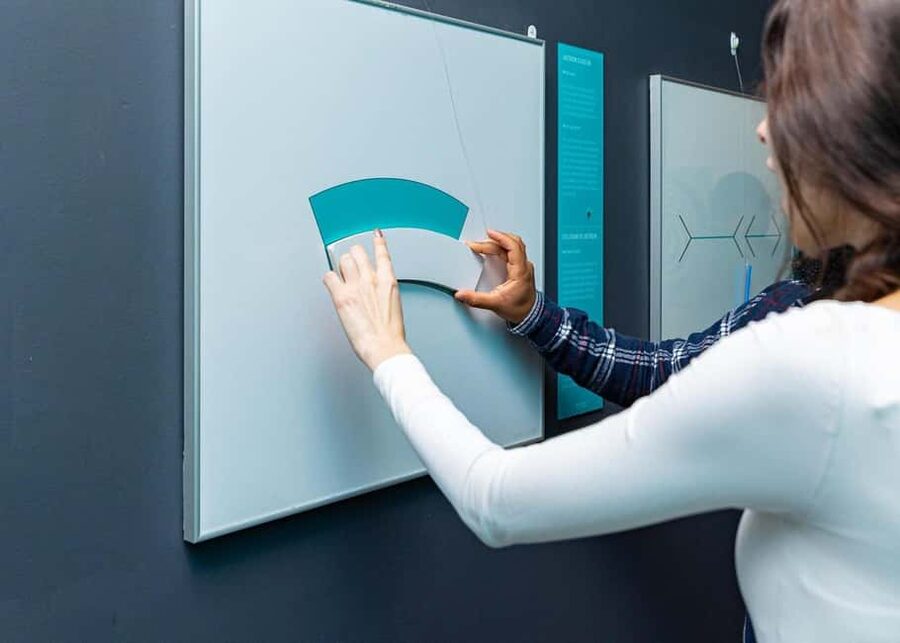
The game room is a useful change of pace. After several displays based mainly on looking and posing, you can work with 3D puzzles and brain teasers. This section gives the visit a more active purpose.
I like this part because it lets you compete with yourself rather than simply admire an illusion. You can test your spatial reasoning, try different solutions, and compare approaches with the people beside you. For families, it may become the part that holds attention longest.
The puzzles are described as suitable for all ages, but that does not mean every challenge will feel equally difficult. Younger children may enjoy manipulating the pieces, while older children and adults may focus more on solving the underlying problem.
Give yourself time here. If you only want photographs, you may finish the museum quickly. If you enjoy puzzles, the game room can help stretch the visit closer to the stated one-hour duration.
One practical point is worth keeping in mind: the attraction has been described by one recent customer as feeling small, with the full visit taking about 20 minutes. That outcome is possible if you move rapidly or find the puzzle area less engaging. The ticket makes better sense for you if you plan to interact with the exhibits rather than count rooms.
How long you should allow
The official duration is one hour, and that is a sensible planning figure. You can probably see the main displays within that period, but your pace will depend on crowd levels, photographs, and how much time you spend on the puzzles.
I would not build an entire day around this attraction. It works best as a short downtown stop, especially when you want a break from sightseeing or need an indoor activity. Since the visit ends when you are ready, you are not locked into a timed guided route.
A fast visit may take around 20 minutes, based on one particularly negative experience. A slower visit can reach the planned hour if you try the game room, repeat the balance-based exhibits, and wait for photographs.
For that reason, treat one hour as the time to reserve, not a promise that every person will receive the same amount of entertainment. The museum’s value depends on your style. Curious, hands-on visitors will get more from it than people who prefer a large collection of objects to examine.
Is $25 good value?
The entry price is $25 per person. That is not a minor add-on for a short activity, so it is fair to ask what you are buying.
You are paying for access to more than 100 interactive displays, including holograms, perspective illusions, the vortex tunnel, the infinity room, and the game room. The ticket also gives you freedom to move at your own pace, rather than following a fixed presentation.
I think the price is reasonable if you enjoy taking photographs, have children who like puzzles, or want an unusual indoor activity. The experience is light, social, and easy to understand. You do not need a background in science, and you can begin having fun within minutes.
The price is harder to justify if you expect a large traditional museum or several hours of material. The site can feel small, and a quick visit may leave you feeling that you paid a lot for a short outing. A crowded room can also reduce the value because waiting for a turn means less time using the displays.
My advice is simple: book it for the type of fun it offers, not for the word museum. If you want hands-on visual tricks and shareable photographs, $25 may feel fair. If you want deep exhibits, history, or a long indoor program, choose another Toronto attraction.
Who will enjoy this most
The Museum of Illusions is designed for all ages, and that broad appeal is one of its strengths. Families can move between optical displays and puzzles without needing a long attention span. Friends and couples can take turns posing, solving challenges, and comparing what each person sees.
It also suits solo visitors who enjoy visual puzzles. You can still explore independently, though some displays are more fun when another person takes a photograph or tries the same challenge.
The attraction may be less satisfying for you if you dislike photo-based activities or prefer quiet galleries. It can also be a poor fit if you have vertigo or feel uncomfortable with shifting visual effects.
The small-group format is limited to eight participants, which sounds more manageable than a large organized tour. Still, the museum itself can feel busy at popular times, so the group limit should not be treated as a guarantee of empty rooms.
Access, language, and practical details
The experience is wheelchair accessible, and the host or greeter speaks English. The listed language for the activity is English, so you should not expect a multilingual presentation.
You explore at your own pace. There is no stated requirement to remain with a guide or finish at a particular time. That flexibility is useful if some exhibits do not suit you or if you want to spend longer in the game room.
Smoking, alcohol, and drugs are not allowed. The visit is intended as a family-friendly interactive activity, and the rules keep the setting comfortable for that purpose.
Free cancellation is available up to 24 hours in advance for a full refund. You can also reserve now and pay later, which helps if your Toronto plans are still shifting. Check the available starting times when booking because the stated duration is one hour, not an open-ended admission period.
How to fit it into a Toronto day
This is best used as a short stop during a downtown outing. You can spend the morning or afternoon exploring Toronto, then set aside an hour for optical tricks and puzzles before continuing elsewhere.
Because the experience does not end with a scheduled performance or a long guided explanation, you retain control of your day. You can leave once you have had enough, which is useful if children lose interest or the rooms are too crowded for comfortable photographs.
I would schedule it when you want something playful rather than educational in the traditional sense. The museum offers some insight into light, balance, and perception, but its first job is entertainment.
Should you book the Museum of Illusions?
Book this experience if you want a compact, interactive outing with strong photo opportunities, a memorable vortex tunnel, and puzzles that can involve the whole family. It is especially appealing on a day when you want an indoor activity that does not require a long attention span or a fixed tour schedule.
Think twice if $25 feels high for an attraction lasting less than an hour, or if you expect a spacious museum with extensive displays. Crowds can make the photo stations harder to enjoy, and people with vertigo should avoid the experience.
My final call: good for families, couples, and playful adults who enjoy optical tricks; less convincing for serious museum fans or budget-minded visitors. Go slowly, try the puzzles, and give the most popular displays time. That is how you get the best value from the ticket.
FAQ
Where is the Museum of Illusions experience located?
The experience is in Toronto, Ontario, Canada.
How much does admission cost?
The listed price is $25 per person.
How long does the visit last?
The stated duration is one hour. You explore at your own pace, so your actual visit may be shorter or longer within your personal schedule.
Is the Museum of Illusions suitable for children?
Yes. The experience is described as suitable for all ages and includes visual illusions, interactive displays, 3D puzzles, and brain teasers.
Is the museum wheelchair accessible?
Yes, the activity is listed as wheelchair accessible.
Is the experience guided?
A host or greeter is available in English, but you explore the exhibits at your own pace rather than following a fixed guided route.
What languages are available?
The listed language is English.
Can I take photographs inside?
Yes. The exhibits include holograms and visual illusions designed to provide photo opportunities.
Is the experience suitable for people with vertigo?
No. The experience is listed as unsuitable for people with vertigo, particularly because of visual effects such as the vortex tunnel.
Can I cancel my booking?
Yes. You can cancel up to 24 hours in advance for a full refund. You can also reserve now and pay later.
Just added around Toronto
- Toronto Craft Brewery Tour★ 5.0 · 97 reviews
- Canada eSIM | 3-30 days | Daily data | QR code★ 4.0 · 12 reviews
- Handcrafted Donuts of Toronto: A Sweet City Walking Tour★ 5.0 · 141 reviews
- Underground Toronto PATH Tour★ 4.5 · 6 reviews
- Tour to Niagara Falls from Toronto★ 4.0 · 19 reviews
- Customizable Walking Tour of Toronto’s Hidden Gems★ 5.0 · 15 reviews
- Tour to Niagara Falls with skip the line Cruise★ 4.0 · 27 reviews
- Toronto Airport Private Transfer to Downtown★ 4.5 · 10 reviews
Museums, compared.
Art Gallery of Ontario General Admission Ticket
Read our review →



Browse the lists this tour appears in