
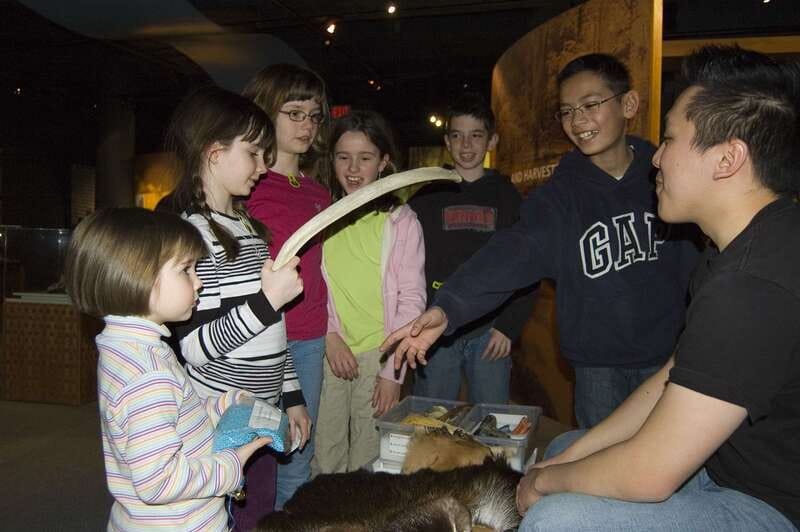
Reviewed · MUSEUMS
Toronto: Bata Shoe Museum Entrance Ticket
Shoes tell bigger stories. Toronto’s Bata Shoe Museum turns everyday footwear into a lively lesson in culture, status, work, belief, and design, all inside a striking building shaped like a shoebox. I especially like the 4,500-year timeline and the museum’s mix of shoes, replicas, clothing, and social history. The main drawback is that some displays may feel more text-based than multimedia, and the washrooms are in the basement.
At $11, this is an easy cultural stop to add to a Toronto day. I like that you can see the museum in about an hour or two without rushing, yet the collection rewards a longer look. Free WiFi, wheelchair access, and a central Bloor Street location make it practical, though information is in English and some visitors may wish for French labels, an audio guide, or a museum app.
In This Review
- Key points at a glance
- Why Toronto’s shoe museum is worth your time
- Entering Raymond Moriyama’s shoebox building
- Starting with All About Shoes
- The four galleries and rotating exhibits
- Footwear as social history
- How long to spend inside
- Presentation, labels, and the missing audio layer
- Is the $11 admission good value?
- Who will enjoy this museum most?
- Booking and visit tips
- Should you book the Bata Shoe Museum?
- FAQ
- Where is the Bata Shoe Museum located?
- How much does admission cost?
- How long is the ticket valid?
- How long should I plan for the visit?
- What can I see at the museum?
- Is the museum wheelchair accessible?
- Is WiFi available?
- What language is used at the museum?
- Can I cancel my booking?
Key points at a glance
- 4,500 years of footwear: Follow shoes from ancient examples to modern designs and see how footwear reflects daily life and social customs.
- Four gallery spaces: Rotating exhibits keep the visit changing, with displays that reach beyond fashion into anthropology, art, and social history.
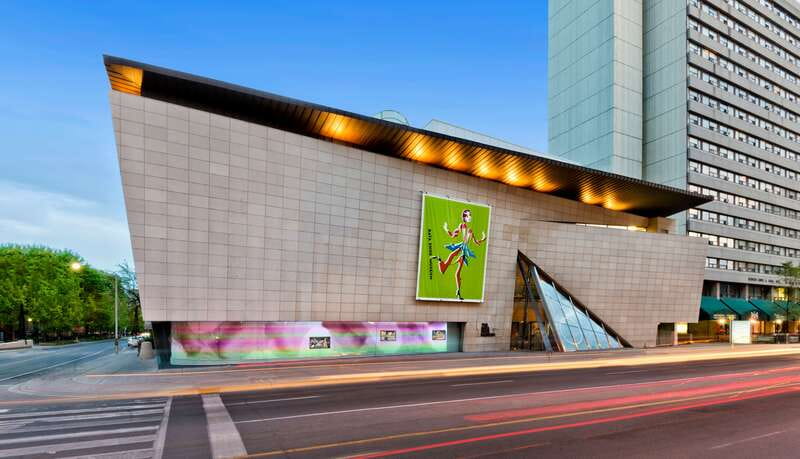
- A building shaped like a shoebox: Canadian architect Raymond Moriyama gave the museum a memorable contemporary home filled with light.
- A strong permanent exhibition: All About Shoes is the essential stop, especially the lower-level displays covering the long development of footwear.
- A compact visit: Plan on about one to two hours for a thoughtful visit, or less if you make a quick pass.
- Good downtown access: The museum is at 327 Bloor Street West and can be reached by subway, car, or rideshare.
Why Toronto’s shoe museum is worth your time
The Bata Shoe Museum is not simply a room full of unusual shoes. Its real subject is human behavior. Shoes reveal where people live, what work they do, how they mark rank, how they prepare for ceremony, and what materials they can obtain.
That makes the museum appealing even if you are not a serious shoe fan. You will see footwear as a record of changing societies. A shoe can show adaptation to climate, a practical answer to labor, a sign of wealth, or an object made for display rather than walking.
The collection began with Sonja Bata, whose interest in footwear developed into one of the world’s largest collections of shoes. The museum now collects, researches, preserves, and displays footwear from around the world. That global scope gives the visit much more range than a standard fashion exhibit.
I would not expect a grand, all-day institution on the scale of the Royal Ontario Museum. The Bata Shoe Museum is smaller and more focused. That is part of its charm. You can concentrate on one subject, see the main galleries without wearing yourself out, then continue your Toronto sightseeing.
More Museums in Canada:
- Toronto: Royal Ontario Museum Admission Ticket
★ 4.6 · 1,237 reviews - Royal Ontario Museum Admission
★ 4.5 · 411 reviews - Toronto: Art Gallery of Ontario General Admission Ticket
★ 4.6 · 251 reviews
Entering Raymond Moriyama’s shoebox building
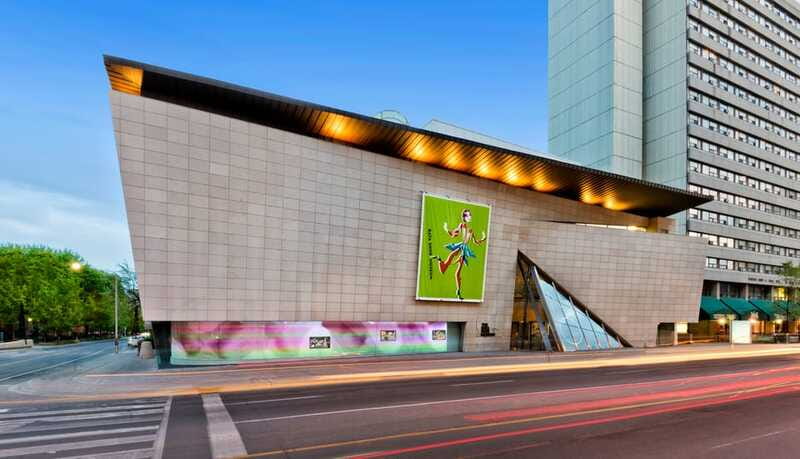
The building itself gives you a clue that this will not be a conventional museum. Designed by Canadian architect Raymond Moriyama, it takes the form of a shoebox, with a clean contemporary exterior and spacious interior areas filled with natural light.
This unusual design is a good opening note. The architecture is playful without turning the museum into a novelty attraction. It also helps the galleries feel modern and uncluttered, which matters when many of the objects are small and detailed.
Take a moment to look around before heading straight to the displays. The building is part of the experience, especially if you are visiting with children or someone who might not normally choose a footwear museum.
The museum is at 327 Bloor Street West, making it a practical stop near downtown Toronto. You can reach it by subway, car, or Uber. Street and paid parking may be available within walking distance, but parking should not be the main reason you choose this visit. Public transit or a rideshare is likely the simpler plan if you are already in central Toronto.
Starting with All About Shoes
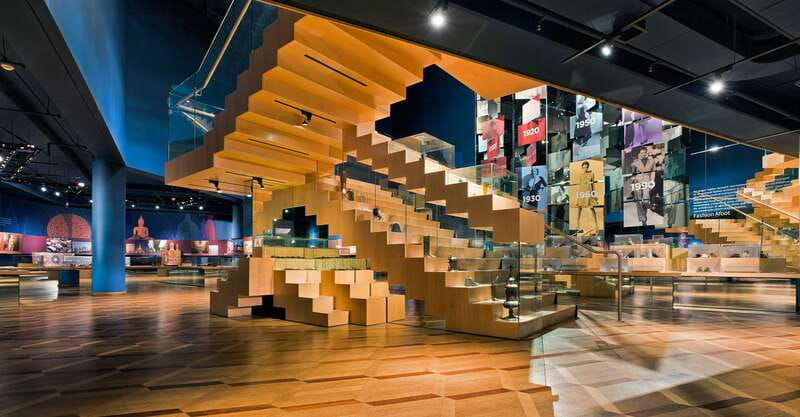
The core exhibition, All About Shoes, takes you through 4,500 years of footwear history. This is the section I would prioritize if your time is limited.
The long timeline gives you a useful way to understand the collection. Rather than treating each shoe as an isolated object, it helps connect footwear to changing materials, technologies, customs, and social needs. You begin to see why shoes look the way they do, and why certain styles appear in particular places or periods.
The permanent exhibition is especially strong in the lower-level area, where older historical objects explain how footwear developed. Give this section enough time. A quick look at brightly colored modern pieces can be fun, but the older material provides the museum’s clearest sense of purpose.
You might find yourself noticing details that are easy to miss in an ordinary wardrobe. Shape, sole, fabric, fastening, height, and decoration all carry information. Even a familiar-looking shoe can seem different once you consider who wore it and what it was meant to do.
Some displays include replicas as well as original pieces. That is useful because replicas can show forms that are too fragile, rare, or difficult to handle. It also gives you a chance to compare appearance with construction, though visitors seeking only original artifacts may want to read the labels carefully.
The four galleries and rotating exhibits
The museum has four gallery spaces with rotating artifacts and exhibitions. This gives the visit a changing character. The permanent exhibition supplies the chronological backbone, while temporary shows can shift the focus toward fashion, design, identity, clothing, or a particular culture.
A past exhibition featuring Manolo Blahnik drew particular praise for its presentation of his designs. That example shows the range you may encounter here: one visit can lean toward historic objects, while another may give more attention to high fashion or artistic footwear.
Because exhibits rotate, I would check the current program before you go if a particular subject matters to you. The supplied admission covers general entry, but it does not promise a specific temporary exhibition by name.
The rotating format is also good news for repeat visits. You may see the permanent displays again while finding something new in the upper galleries. This is not a place where every room has to be treated as a separate major attraction. The galleries work together, and you can adjust your pace based on your interest.
Expect plenty of visual variety. Shoes appear in different colors, materials, shapes, and sizes, and the displays connect footwear with clothing and customs from different parts of the world. One section may feel like design history, while another may read more like social history.
A few more Canada trips worth comparing
- Banff: Banff Gondola Admission Ticket
★ 4.7 · 3,698 reviews - Toronto: Casa Loma Entry Ticket
★ 4.7 · 2,705 reviews - Banff Gondola Ride Admission
★ 4.5 · 2,688 reviews - Jasper: Columbia Icefield Skywalk and Ice Explorer Ticket
★ 4.6 · 2,444 reviews
Footwear as social history
The museum’s best quality is its ability to make shoes feel important without becoming too serious. Footwear is practical, but it can also communicate occupation, gender, status, age, ceremony, and regional identity.
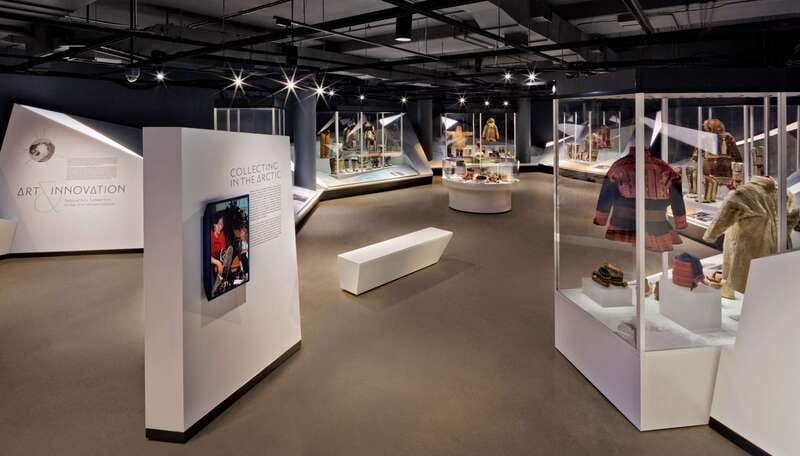
The Arctic-related material is a good example of the wider context available here. The collection includes traditional clothing and footwear connected with peoples living above the Arctic Circle. These objects help you think about footwear as a response to climate and daily survival, not simply as an accessory.
That wider context keeps the museum from becoming a parade of fashionable objects. You see footwear made for very different purposes and environments. The point is not just that the shoes look unusual. The point is that their form makes sense once you understand the lives surrounding them.
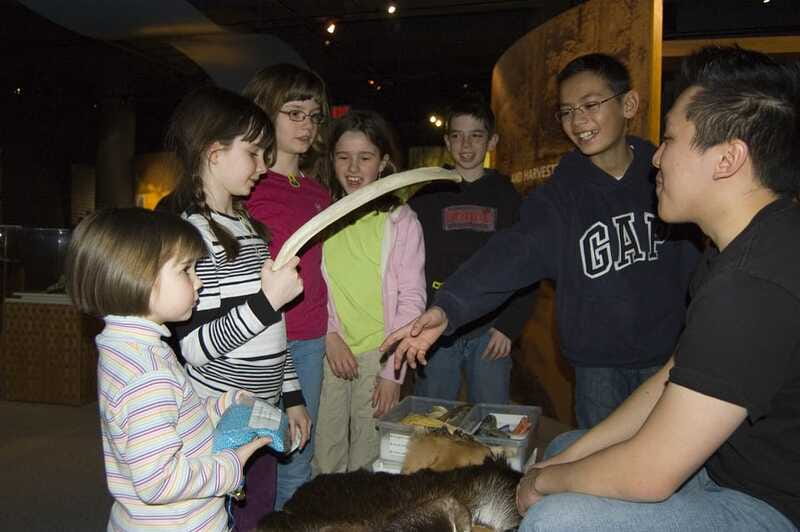
I find this especially useful for families and younger visitors. A shoe provides an immediate point of entry. You can ask simple questions: Could you walk in it? What weather was it made for? Was it built for work or ceremony? Why is it decorated that way? Those questions can lead naturally into larger subjects.
The museum also works well for anyone interested in clothing, craft, anthropology, design, or material culture. You do not need specialist knowledge. Curiosity is enough.
How long to spend inside
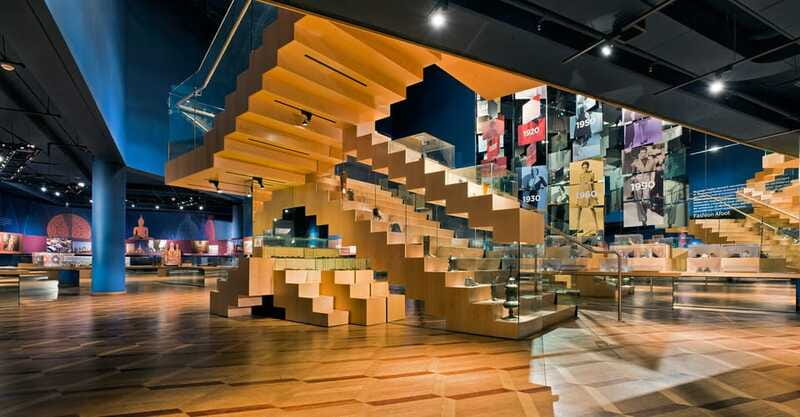
The stated validity is one day, but the visit itself is best thought of as a one to two-hour stop. That is enough time to see the main displays and read a fair amount of background material without turning the museum into an exhausting assignment.
If you love design or social history, you may want longer. The objects are small, and some labels deserve a careful read. If you are combining the museum with nearby cultural stops, an hour may be enough for the main story.
One practical point is the location of the washrooms. They are in the basement, so do not expect facilities beside every gallery. This is a small matter, but it is worth knowing if you are visiting with children or anyone who needs frequent access.
The museum provides complimentary WiFi on-site. That is handy for checking exhibit information, coordinating the rest of your day, or looking up nearby plans. It is not a headline attraction, but it is a useful convenience.
Presentation, labels, and the missing audio layer
The galleries are beautifully designed, and the objects provide plenty to look at. Still, the museum relies heavily on written information. If you prefer audio or video interpretation, you may find the presentation a little quiet.
An audio-visual guide or dedicated app could make the visit easier to follow, especially for people who like a guided path through a collection. Casa Loma’s user-friendly app has been suggested as a model worth copying, which gives you a sense of what some visitors may miss here.
That does not make the museum difficult. You can still understand the broad story by moving through All About Shoes and reading the main labels. But the experience would be stronger with optional spoken explanations, particularly for children, visitors with limited time, or anyone who prefers listening to reading.
The available language is English. As Canada is officially bilingual, some visitors may reasonably expect French descriptions as well. If you need French interpretation, confirm current arrangements before visiting rather than assuming it will be available in the galleries.
Is the $11 admission good value?
At $11 per person, I consider this a good-value Toronto attraction. The museum gives you a focused cultural experience at a price lower than many major city museums, and you can fit it into a morning or afternoon without giving up an entire day.
The value improves if you take time with the permanent displays. A quick walk through the galleries may leave you thinking the museum is small, but a slower visit reveals the connections between footwear, climate, work, ceremony, fashion, and history.
You can also combine the stop with other nearby cultural attractions. The Textile Museum and Gardiner Museum have been suggested as possible companions for a better overall day and combined value, though you should check current ticket arrangements before booking.
I would not choose the Bata Shoe Museum because it is the cheapest attraction in Toronto. I would choose it because the subject is unusual, the collection has global range, and the visit is manageable. At this price, it is an easy choice for a rainy afternoon, a short cultural break, or a repeat visit when a new temporary exhibition opens.
Who will enjoy this museum most?
This is a strong pick for:
- People interested in fashion, clothing, design, or craft
- Families looking for an unusual museum subject
- Visitors who enjoy social and cultural history
- Anyone who likes compact museums with a clear theme
- Repeat Toronto visitors seeking something beyond the major institutions
- Couples or friends who want a one to two-hour indoor activity
You will get less from it if you dislike reading labels or have no interest in objects connected to clothing and daily life. The museum is visually engaging, but it is not an entertainment center filled with interactive attractions.
It is also a good rainy-day plan. The building is contemporary, the galleries are indoors, and the visit does not demand a full day. You can pair it with lunch or another museum stop in the downtown area.
The experience is wheelchair accessible, which makes it a practical choice for many visitors with mobility needs. Smoking is not allowed.
Booking and visit tips
Reserve in advance if you want flexible planning. The ticket allows free cancellation up to 24 hours before the visit for a full refund, and a reserve-now, pay-later option is available. Starting times depend on availability, so check the schedule for your chosen date.
Admission is general entry to the museum, with free WiFi included. The host or greeter language is English.
Before you go, I would do three things:
- Check which rotating exhibitions are showing.
- Allow at least one hour, and closer to two if you read labels carefully.
- Plan your route by subway, rideshare, or car, keeping in mind that nearby street and paid parking may be available but is not guaranteed.
The museum can be easy to underestimate. Its subject sounds narrow, yet the displays open into questions about culture and human adaptation. Give the permanent exhibition priority, then use the rotating galleries to follow your particular interests.
Should you book the Bata Shoe Museum?
Yes, if you want an affordable, unusual museum with a clear story and a central Toronto location. The strongest reasons to go are the 4,500-year scope, the lower-level historical displays, and the wide range of footwear from around the world.
I would especially recommend it to anyone who likes clothing, design, anthropology, or museums that make ordinary objects feel newly interesting. Families can turn the shoes into a guessing game, while adults can spend more time with the social history and craftsmanship.
Book with realistic expectations. You are getting a focused museum visit, not a large multimedia spectacle. The labels are mainly in English, and an app or audio-visual guide would improve the experience for some people. Still, at $11 and roughly one to two hours, the Bata Shoe Museum offers a smart, distinctive stop that is easy to add to a Toronto itinerary.
FAQ
Where is the Bata Shoe Museum located?
The museum is at 327 Bloor Street West in Toronto, Ontario.
How much does admission cost?
General admission is $11 per person.
How long is the ticket valid?
The ticket is valid for one day. Available starting times depend on the date and schedule.
How long should I plan for the visit?
Plan on about one to two hours, depending on how closely you read the displays and how much time you spend in the rotating exhibitions.
What can I see at the museum?
You can explore four gallery spaces, rotating exhibitions, and All About Shoes, a permanent display covering 4,500 years of footwear history.
Is the museum wheelchair accessible?
Yes, the experience is wheelchair accessible.
Is WiFi available?
Yes, complimentary WiFi is available on-site.
What language is used at the museum?
The host or greeter language is English, and the available museum information is in English. French descriptions are not confirmed by the provided information.
Can I cancel my booking?
Yes. You can cancel up to 24 hours in advance for a full refund. A reserve-now, pay-later option is also available.
Just added around Canada
- Small Group Stanley Park and Coal Harbour Segway Tour★ 5.0 · 67 reviews
- The Stanley Park Family Tour by Cycle City Tours★ 5.0 · 19 reviews
- Talking Trees: Stanley Park Indigenous Walking Tour Led by a First Nations Guide★ 5.0 · 86 reviews
- Vancouver to Whistler Seaplane Day Trip: Self-Guided Adventure★ 5.0 · 53 reviews
- Spoken Treasures: Stanley Park Indigenous Walking Tour★ 5.0 · 27 reviews
- Vancouver Stanley Park 3 Hour Bike Tour★ 5.0 · 124 reviews
- Snowshoe Through Vancouver’s Winter Wonderland★ 5.0 · 32 reviews
- Snowshoeing In Vancouver’s Winter Wonderland★ 5.0 · 11 reviews
Museums, compared.
Art Gallery of Ontario General Admission Ticket
Read our review →


Browse the lists this tour appears in