
Reviewed · MUSEUMS
Ottawa: National Gallery of Canada Admission
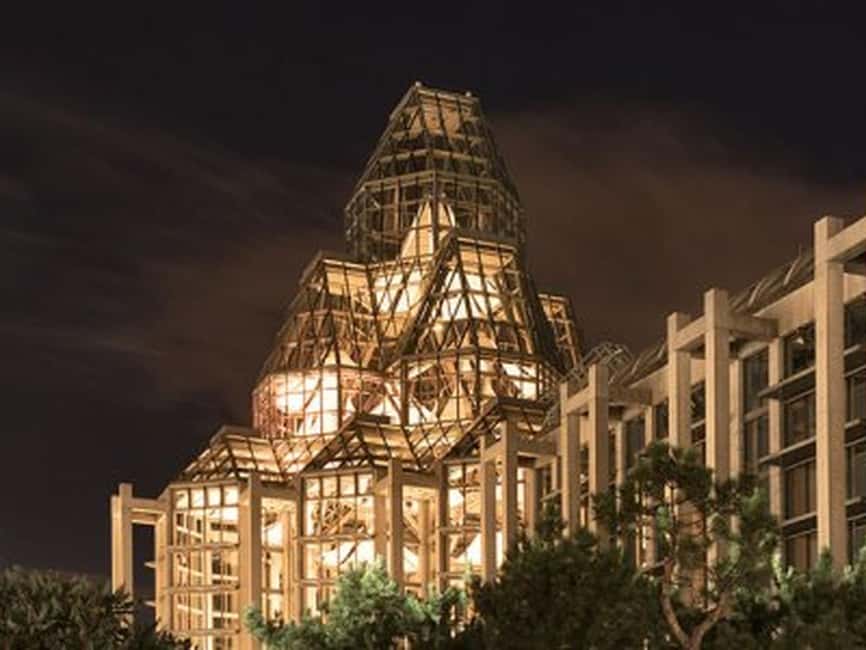
Art and architecture meet above Ottawa. The National Gallery of Canada gives you excellent Canadian and Indigenous art, plus international works in painting, sculpture, photography, installation, and decorative arts. I also like the grand glass-and-granite building, especially its Great Hall, garden court, and views toward Parliament Hill. The main caution is that some visitors may find parts of the exhibition program light on explanations, so this is better for curious self-guided exploring than for a fully narrated museum visit.
At $18 per person, admission is fair for a full day in one of Ottawa’s major cultural institutions. You can also visit free on Thursdays from 5 to 8 p.m., making that evening the best value if your schedule allows.
In This Review
- Key points to know before you go
- Start with the glass-and-granite building
- Follow Canada through its art
- Make room for international and modern works
- Use talks and workshops to add context
- Look for the idea behind Ankosé
- Take a quiet break in the garden court
- Is $18 good value for one day?
- Who will enjoy this visit most?
- Practical plan for your day
- Should you book the National Gallery of Canada?
- FAQ
- Where is the National Gallery of Canada?
- How much does admission cost?
- How long is the ticket valid?
- Is the museum free at any time?
- Are artist talks included?
- Is the Gallery wheelchair accessible?
- Are meals and drinks included?
- Can I cancel my booking?
Key points to know before you go
- Moshe Safdie’s building is part of the experience: Glass walls, granite, the Great Hall, and open exhibition spaces give the museum a strong sense of place.
- Canadian and Indigenous art are central: The collection helps you understand the country through its artists, communities, and changing ideas.
- Maman greets you outside: Louise Bourgeois’s famous spider sculpture is one of the Gallery’s most memorable photo stops.
- Artist talks and art-making add variety: Depending on the program, you can listen, make something yourself, and look at art in a less formal way.
- Ankosé connects the visit: The Gallery uses this idea, meaning everything is connected, to link art, artists, communities, and the public.
- Thursday evening saves money: The museum is free from 5 to 8 p.m., though you will have less time to see the collection.
Start with the glass-and-granite building

The National Gallery of Canada is at 380 Sussex Drive in Ottawa, close to the capital’s main sights. Your visit begins at the main entrance, but you may find yourself pausing before you even reach the galleries.
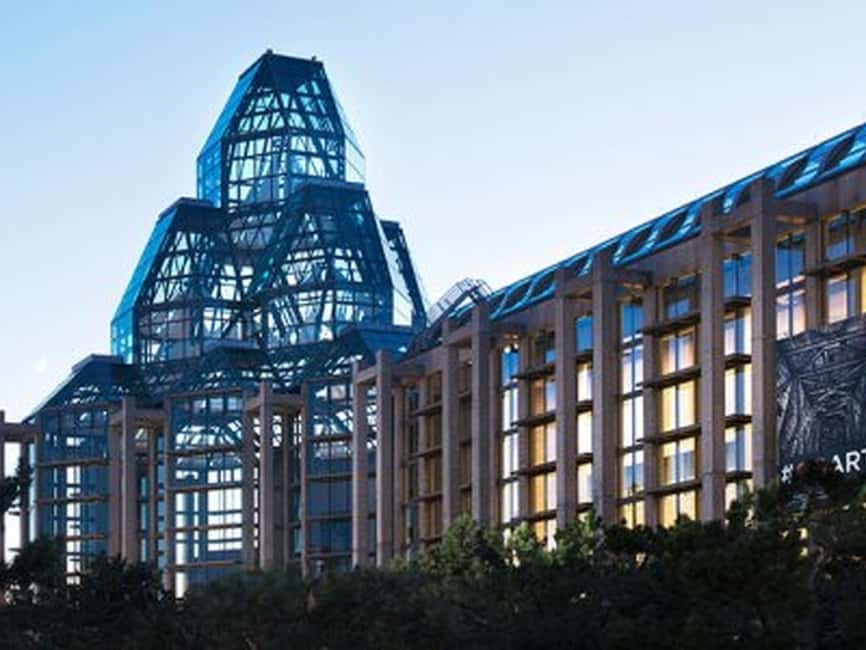
The building was designed by architect Moshe Safdie. Its glass and granite create a broad, light-filled setting rather than a dark, closed museum. That matters because the architecture gives you room to breathe between galleries. It also makes the building feel tied to Ottawa instead of sealed off from it.
The Great Hall is the natural place to get your bearings. Its scale makes it useful for photographs, and its windows bring in views of the city. Parliament Hill is visible from the Gallery, giving you a helpful visual link between Canadian public life and Canadian art.
Outside, look for Maman, Louise Bourgeois’s giant spider. It is one of the Gallery’s best-known works and an easy highlight even if you have only a short time inside. The sculpture gives the entrance a slightly playful edge, though its size can also feel imposing.
The building is not merely a container for art. It sets the mood for the visit. You get a large civic space, calm light, and carefully framed views before you begin looking closely at individual works.
More Museums in Ottawa:
- Ottawa: Canadian War Museum Admission
★ 4.7 · 232 reviews - Ottawa: Canadian Museum of Nature Admission
★ 4.6 · 226 reviews - Canadian War Museum Admission
★ 4.5 · 213 reviews
Follow Canada through its art
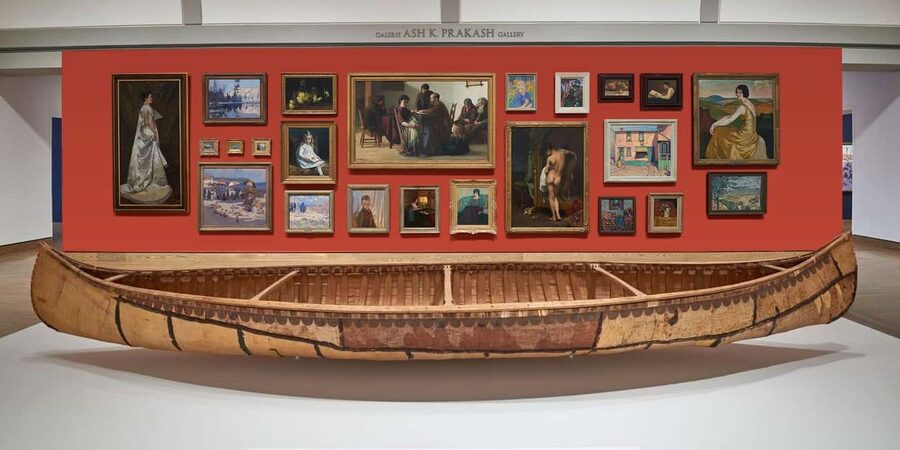
The Gallery’s collection reaches from antiquity to the present day, but Canadian and Indigenous art are among its greatest strengths. I would give these sections real time instead of treating them as a quick stop before the international rooms.
Canadian art can show you how artists have responded to place, identity, politics, memory, and daily life. The point is not simply to recognize famous names. You are watching ideas about Canada change across time and across artistic mediums.
The Indigenous collection is especially important. The Gallery describes it as one of the finest collections of Indigenous and Canadian art in the world. That gives the collection a central role, not a token corner at the end of the museum.
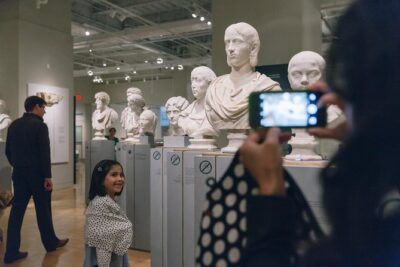
You may find paintings, sculpture, photography, installations, and decorative arts in the exhibition spaces. Different mediums ask you to look in different ways. A painting may reward a long, quiet pause. A sculpture may make you notice space and movement. An installation may ask you to consider how objects, sound, or the room itself shape meaning.
Take your time with labels, but do not feel obliged to read every one. If explanations are a priority for you, plan to attend an artist talk when one is offered. One criticism of the experience is that some displays may not provide enough background for visitors who want a clear story for every work. The museum can be visually rewarding, but it does not always guide you step by step.
Make room for international and modern works
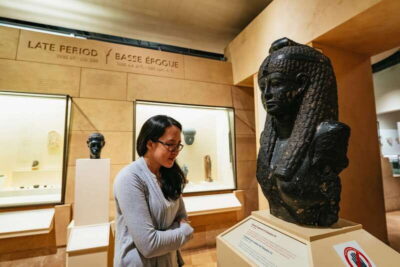
The National Gallery is not limited to Canadian art. Its holdings include international works and examples from several periods, so you can move between local stories and wider artistic movements.
This variety helps put Canadian work in context. After looking at artists from Canada, an international room may give you another way to think about portraiture, abstraction, religious subjects, design, or the role of the artist. The collection also includes decorative arts, which broaden the idea of what belongs in a national art museum.
The exact mix you see will depend on the current exhibitions. The program changes, and the Gallery’s schedule can include new displays, artist talks, workshops, and special events. Check what is on during your visit if you have a particular artist or subject in mind.
I would not plan this as a rushed checklist of famous objects. The Gallery works best when you choose a few rooms and look properly. A whole day is available with your ticket, but you do not have to spend every hour indoors. The garden court offers a quiet break when your eyes need rest.
Use talks and workshops to add context
Admission includes access to artist talks, and the Gallery also offers art-making activities. These options can change the character of your visit.
A talk gives you a chance to hear more about an artist, a work, or an exhibition than a wall label can provide. This is particularly useful if you felt that a display needed more explanation. Check the day’s schedule when you arrive, since the available talks depend on the program.
Workshops and art-making sessions make the Gallery more active. You are not only looking at finished objects. You get a chance to test an idea, work with a medium, or respond to what you have seen. That can be a good choice for families and for adults who find a long museum visit tiring.
Do not assume every activity will be running at every hour. The supplied details confirm access to artist talks and art-making opportunities, but they do not provide a fixed daily timetable. Treat them as useful additions, not guaranteed replacements for exploring the collection.
The Gallery’s wider purpose is to share visual arts with Canadians and to work with artists and organizations around the world. Its public programs fit that aim. You are being invited to participate in the conversation, not simply pass through a line of rooms.
A few more Ottawa trips worth comparing
- Ottawa: Sightseeing River Cruise
★ 4.3 · 1,585 reviews - Ottawa: Rideau Canal Cruise
★ 4.4 · 1,303 reviews - Ottawa: Hop-On Hop-Off Guided City Tour Pass
★ 4.4 · 1,194 reviews - Ottawa Boat Cruise – Rideau Canal Cruise
★ 4.5 · 1,127 reviews
Look for the idea behind Ankosé
Ankosé means everything is connected. The Gallery uses this idea to express its vision and purpose.
You can see that connection in several ways. Canadian and Indigenous art sit alongside international works. Older objects are placed within a larger story about changing artistic practice. Talks and workshops connect the public with artists. The building connects the interior galleries with Ottawa’s civic setting.
This idea is most useful when you let it shape your route. Instead of asking only which work is the most famous, ask how a room links to the one before it. Notice the change from painting to sculpture, or from a quiet gallery to a large installation. Think about how the building’s open spaces affect your mood.
Ankosé is not a separate attraction that you can tick off. It is a way of understanding the institution. Some visitors will find the concept meaningful. Others may prefer to focus on individual works and skip the museum’s larger language. Both approaches work.
Take a quiet break in the garden court
The garden court is one of the best places to pause. Museum fatigue is real, especially in a large building with many exhibition spaces. A short break can help you return to the art with fresher eyes.
The court also reinforces the building’s calm, open feeling. You move from the large rooms and visual detail into a quieter space. Use it as a midpoint stop rather than saving it only for the end.
The Gallery’s location gives you another reason to step outside. The building offers views of Ottawa and Parliament Hill, and one recent visitor also recommended the Kiweki point view for a striking city view. The information does not provide further details about that viewpoint, so treat it as an optional nearby idea rather than a formal part of your admission.
If photographs matter to you, make time for the Great Hall and the exterior sculpture. The museum has a strong visual identity, and you do not need to be an art specialist to enjoy it.
Is $18 good value for one day?
At $18, this is a reasonably priced full-day cultural stop in Ottawa. Your ticket includes admission and access to the exhibitions, plus entry to artist talks. Meals, drinks, a personal guide, and souvenirs cost extra.
The value is strongest if you plan to spend several hours inside. You can see Canadian, Indigenous, and international art, move through different mediums, pause in the garden court, and attend a program if the timing works. That is a lot of cultural content for less than the cost of many guided attractions.
The value is weaker if you only have 30 minutes or if you want a guide to explain every room. There is no personal tour guide included, and the experience is mainly self-guided. A visitor who expects detailed interpretation at every stop may leave disappointed.
Thursday from 5 to 8 p.m. is the clear bargain. The museum is free during those hours. The tradeoff is time. Three evening hours can be enough for a focused visit, but not for a slow look at the full collection.
You can reserve now and pay later, and cancellation is free up to 24 hours before the visit for a full refund. The ticket is valid for one day, and you should check availability for the starting time that suits you.
Who will enjoy this visit most?
I would recommend the Gallery to anyone who wants a major Ottawa sight that combines art, architecture, and city views. It suits first-time visitors who want to understand Canadian culture, as well as returning visitors looking for a calm indoor stop.
It is particularly good for:
- People interested in Canadian and Indigenous art
- Visitors who enjoy moving between painting, sculpture, photography, and installation
- Families or creative adults who want art-making activities
- Architecture fans who appreciate Moshe Safdie’s glass-and-granite design
- Independent museumgoers who prefer setting their own pace
- Anyone looking for a flexible full-day cultural activity
You may want to reconsider it if you need a fully guided experience or detailed explanations for every work. One recent French-language assessment found the explanations lacking and the exhibition selection disappointing, with the shop feeling disconnected from the collection. That is a fair warning: the Gallery’s quality will depend partly on the temporary exhibitions and on how much interpretation you expect.
The overall score is 4.7 out of 5 from nine ratings, with strong praise for the building, welcoming staff, Canadian and Indigenous art, Great Hall, Parliament Hill views, and Maman. The praise is most convincing for the setting and the broad collection. The weaker experience seems more likely when the temporary displays do not match your interests.
Practical plan for your day

Begin at the main entrance and spend a few minutes taking in the building. Walk through the Great Hall, look toward Parliament Hill, and visit Maman outside if you have not already done so.
Next, focus on Canadian and Indigenous art. Give yourself enough time to read selected labels and compare different mediums. Then move into the international and contemporary displays, choosing the rooms that hold your attention rather than trying to see every object.
Check the schedule for artist talks and art-making activities. If something interests you, arrange your visit around it. These programs can provide the extra context that some exhibition areas lack.
Take a break in the garden court before finishing with any rooms you missed. If you still have time, enjoy the building’s views and consider the Kiweki point view mentioned by one visitor as an additional Ottawa lookout.
Wheelchair access is available. The meeting point is the Gallery’s main entrance. Since the ticket is valid for one day, you can make the visit as focused or as leisurely as your schedule allows.
Should you book the National Gallery of Canada?
Book it if you want a flexible Ottawa cultural stop with strong Canadian and Indigenous collections, memorable architecture, and time to explore at your own pace. The $18 price is sensible for a full day, and the Thursday evening free period makes it even easier to fit into a budget.
I would book with realistic expectations. You are not buying a personal guided tour, and some displays may offer less explanation than you want. If you enjoy looking, thinking, and choosing your own route, the Gallery should reward you. If you need a tightly narrated museum experience, check the current talk schedule first, or consider visiting during the free Thursday hours so you can test it without paying admission.
FAQ
Where is the National Gallery of Canada?
It is located in Ottawa, Ontario, and the meeting point is the main entrance of the Gallery.
How much does admission cost?
Admission costs $18 per person.
How long is the ticket valid?
The admission ticket is valid for one day.
Is the museum free at any time?
Yes. The museum is free on Thursdays from 5 to 8 p.m.
Are artist talks included?
Yes. Entry to artist talks is included with admission, although the available program can depend on the day.
Is the Gallery wheelchair accessible?
Yes. The National Gallery of Canada is wheelchair accessible.
Are meals and drinks included?
No. Meals and beverages are not included in the admission price.
Can I cancel my booking?
Yes. You can cancel up to 24 hours in advance for a full refund. You can also reserve now and pay later.
Just added around Ottawa
- Ottawa Small Group Premium City Tour★ 4.5 · 159 reviews
- Ottawa Mystery Quest: Self-Guided Detective Adventure★ 4.0 · 11 reviews
- Lilo Floating Tiki Bar on the Ottawa River★ 5.0 · 70 reviews
- Secrets of the Château Laurier Hotel Tour★ 4.5 · 44 reviews
- Full Day Pontiac Wine & Cider Tour – Day Trip From Ottawa & Gatineau★ 5.0 · 73 reviews
- Street Art Exploration Game and Self-Guided Tour in Ottawa★ 4.0 · 20 reviews
- Ottawa Ecological Reserve Kayak Tour with TURTLE Sightings★ 5.0 · 16 reviews
- Ottawa Food Tour with ByWard Market Flavors & 6 Local Tastings★ 5.0 · 13 reviews
Museums, compared.

Art Gallery of Ontario General Admission Ticket
Read our review →



Browse the lists this tour appears in