
Reviewed · MUSEUMS
Oshawa: Canadian Tank Museum Admission
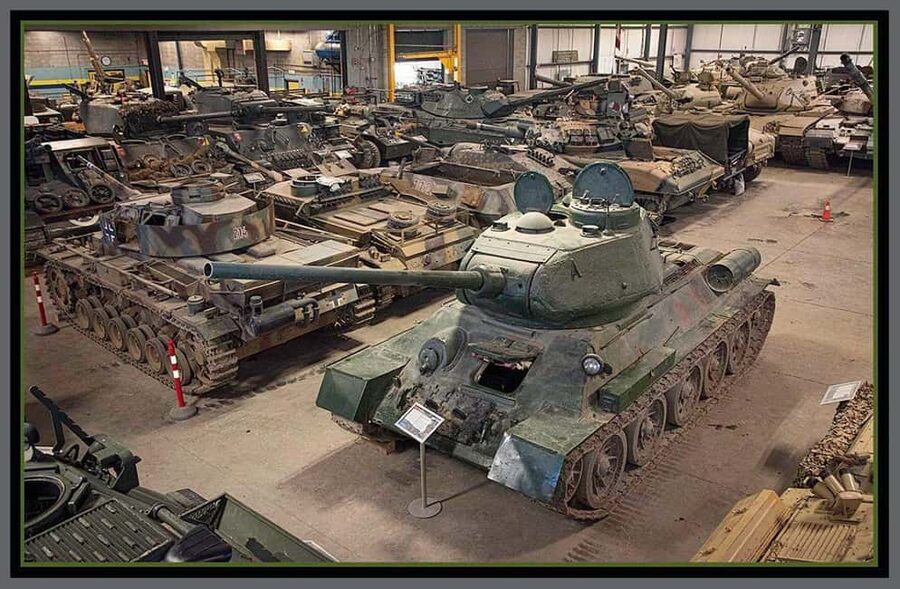
Tanks are more interesting when they move. The Canadian Tank Museum offers one-day admission for $10, giving you access to a large collection of military vehicles, permanent exhibitions, active restoration work, and veterans who guide visitors through the story of Canada’s armoured forces. It is not just a room full of parked machines. The museum works to restore and operate its vehicles, so the past can be seen, heard, and sometimes watched rolling under its own power.
I like the chance to speak with volunteers who give their time freely, and I like that the museum connects national military history with the local Ontario Regiment RCAC. The main consideration is simple: this is a specialized museum, so visitors looking for a polished, fast-moving attraction may find the experience more focused on equipment, service, and patient exploration than on entertainment.
In This Review
- Key points to know before you go
- Why the Canadian Tank Museum feels different
- Starting with the Royal Canadian Armoured Corps
- The vehicle collection: size matters, but condition matters more
- Restoration work brings the machines back to life
- Veteran guides make the visit personal
- The local regiment gives the museum a clear purpose
- What the $10 admission gets you
- Who will enjoy this most?
- Practical tips for making the most of your day
- Should you book the Canadian Tank Museum?
- FAQ
- Where is the Canadian Tank Museum?
- How much does admission cost?
- How long is the admission valid?
- What does the ticket include?
- Are food and drinks included?
- Can I see historical military vehicles being restored?
- Will I definitely see a vehicle operating?
- Can I speak with veteran guides?
Key points to know before you go
- More than 170 operational military vehicles: The museum holds the largest collection of operational military vehicles in North America.
- Canada’s armoured forces take center stage: Exhibits explain the Royal Canadian Armoured Corps and the development of Canadian tank forces.
- Restoration happens in front of you: Active vehicle restoration helps you see that these machines are not merely display pieces.
- Veterans add the human story: Guides who served can discuss the vehicles, the regiment, and their own experiences.
- The Ontario Regiment connection matters: This is the official unit museum of Durham Region’s Ontario Regiment RCAC.
- A moving vehicle may appear: Depending on the day, you might see one of the historical vehicles operating.
Why the Canadian Tank Museum feels different
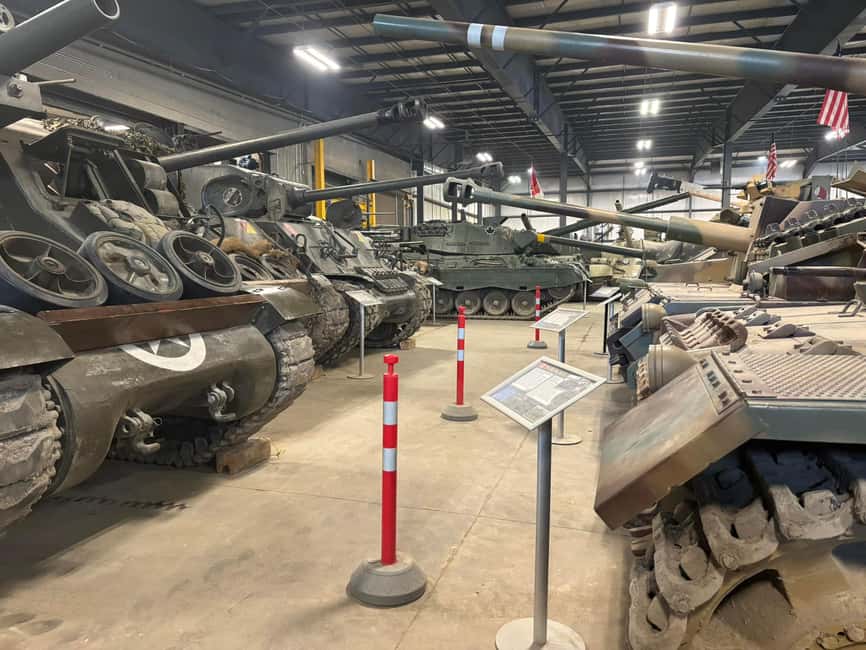
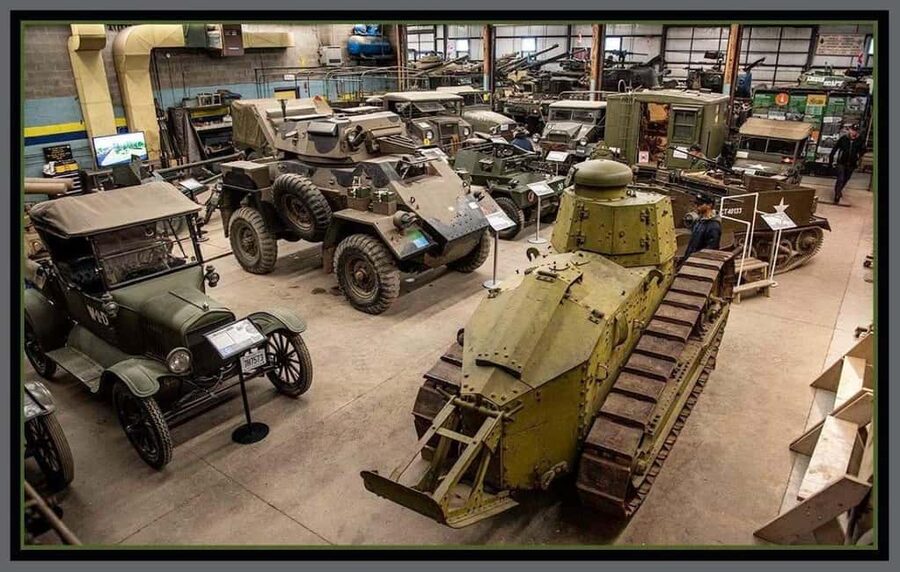
Many military museums ask you to look at old vehicles behind barriers and imagine how they once worked. The Canadian Tank Museum takes a more active approach. Its collection includes more than 170 operational military vehicles, a detail that changes the way you read the exhibits.
You are not only looking at armor, tracks, wheels, and weapons systems. You are seeing machines that the museum restores, displays, and demonstrates for the public and members of the Armed Forces. If a historical vehicle operates during your visit, the experience gains a physical quality that a static exhibit cannot match.
The word operational is important here. It does not mean every vehicle will be running during every visit. It means the museum’s work includes returning historic machines to working condition where possible. That makes restoration part of the museum’s purpose, not a side project hidden from the public.
The museum also tells a local story. It is the official unit museum of the Ontario Regiment RCAC, the Canadian Army regiment connected with Durham Region. The collection reaches back to 1866, when militia units began forming in Canada. That gives the displays a longer timeline than tanks alone, linking modern armoured forces with the earlier organization of Canada’s military units.
More Museums in Canada:
- Toronto: Royal Ontario Museum Admission Ticket
★ 4.6 · 1,237 reviews - Royal Ontario Museum Admission
★ 4.5 · 411 reviews - Toronto: Art Gallery of Ontario General Admission Ticket
★ 4.6 · 251 reviews
Starting with the Royal Canadian Armoured Corps
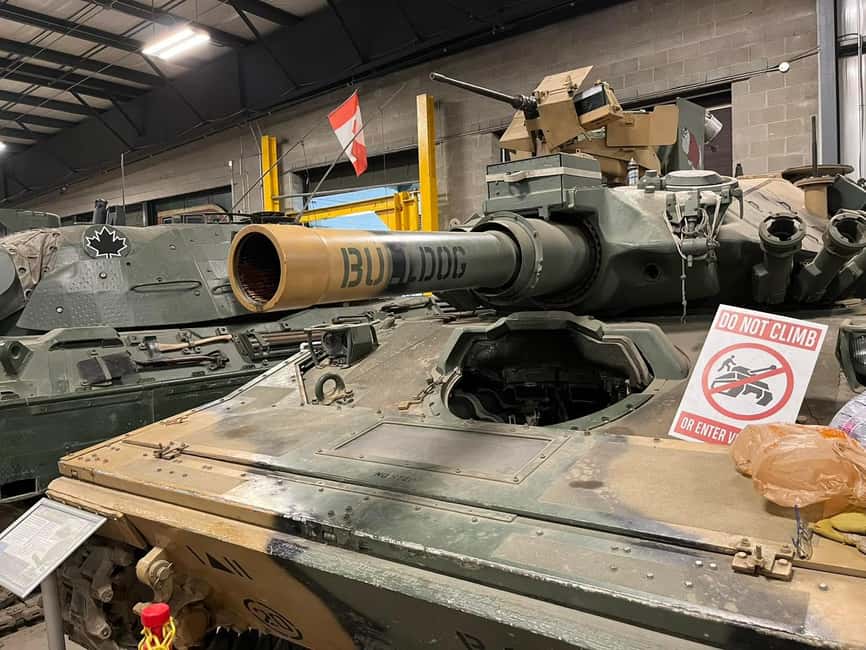
Your central subject here is Canada’s Royal Canadian Armoured Corps, the branch associated with the country’s tank forces. The museum uses vehicles and smaller artifacts to explain how that story developed over time.
This is useful context because a tank can otherwise become just a large, impressive object. The museum helps place each machine within a military tradition. You can consider what it was built to do, how armoured forces changed, and how Canada’s regiments fit into the wider armed forces.
The collection includes both large and small artifacts. The big vehicles naturally draw your eyes first, but smaller objects can add the details that machines cannot provide on their own. Together, they tell the story of a regiment dating back to 1866 and the growth of militia units in Canada.
I recommend giving yourself time to read and listen rather than treating the museum as a quick photo stop. The $10 admission is low enough that you do not need to rush. You can spend time with the vehicles, then return to displays that make more sense after you have heard the broader story.
The vehicle collection: size matters, but condition matters more
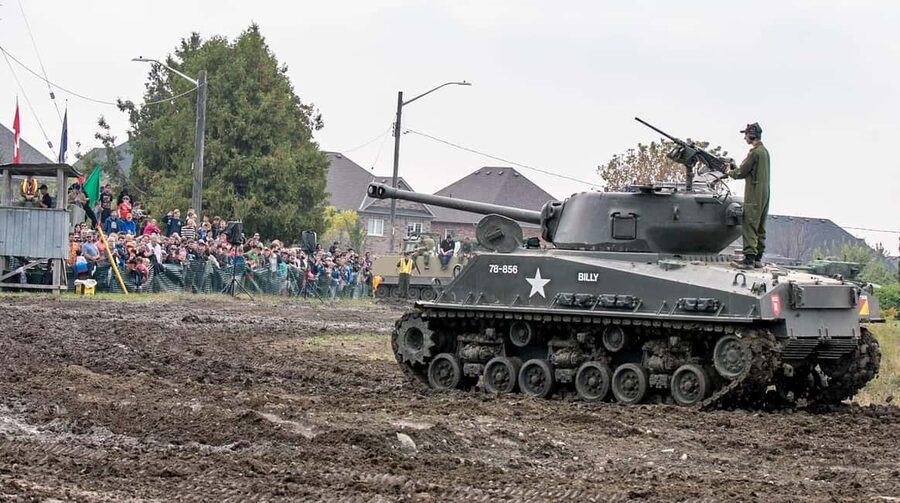
The sheer number of vehicles is one of the museum’s main attractions. More than 170 operational military vehicles create a scale that is difficult to match in a small military collection.
Still, the number alone is not the whole point. The practical value is that the vehicles form the working heart of the museum’s educational program. You can see examples of military engineering, transport, armor, and battlefield equipment in a setting focused on how these machines served people.
The collection also gives you a chance to compare vehicles across periods. Differences in size, design, and purpose become easier to understand when you see the machines together. A tank is no longer an isolated object. It becomes part of a sequence of changing military needs and technology.
Families and first-time military museum visitors can use the vehicles as an easy entry point. You do not need prior knowledge of Canadian military history to appreciate the physical scale. If you already know the subject, the collection gives you more detail to examine and more questions to bring to the guides.
The possible drawback is that a large collection can feel like a lot to absorb. If you want every technical detail, plan to move slowly. If you prefer a short visit, choose a few vehicles or themes instead of trying to take in everything at once.
Restoration work brings the machines back to life
The active restorations are among the most valuable parts of the visit. You can see that preserving a military vehicle involves more than cleaning it and placing it on a floor. The museum works on these machines so they can be displayed and, in some cases, demonstrated.
That work gives you a clearer idea of the gap between an old vehicle and a functioning historic vehicle. Restoration involves time, care, and practical skill. The museum’s approach lets you see preservation as an ongoing task rather than a finished result.
This is also where the Canadian Tank Museum earns its educational purpose. You are shown not only what the vehicles were, but also what it takes to keep them available for future audiences. The working areas help connect history with present-day responsibility.
You might see a vehicle mid-restoration rather than in perfect display condition. That is not a weakness. It is part of the honest appeal. A polished museum piece can suggest that history is finished. A vehicle under repair reminds you that preservation depends on people continuing the work.
Depending on the day, you might also see a historical vehicle on the move. There is no promise that a particular machine will operate during your visit, so treat this as a possible bonus rather than the main reason to book. If it happens, the sound and motion can make the vehicle’s original purpose suddenly clear.
A few more Canada trips worth comparing
- Banff: Banff Gondola Admission Ticket
★ 4.7 · 3,698 reviews - Toronto: Casa Loma Entry Ticket
★ 4.7 · 2,705 reviews - Banff Gondola Ride Admission
★ 4.5 · 2,688 reviews - Jasper: Columbia Icefield Skywalk and Ice Explorer Ticket
★ 4.6 · 2,444 reviews
Veteran guides make the visit personal
The museum’s veteran guides are a major reason to allow extra time. They can discuss the vehicles, the Canadian Tank Museum, and the experiences connected with military service. Their presence gives the collection a human voice.
A label can tell you a vehicle’s name or role. A veteran can help explain why a machine mattered, how it was used, or what details deserve your attention. You can ask questions at your own pace, which is especially useful if you arrive with a family member who knows more about tanks than you do.
One verified visitor arrived mainly to please a husband with a strong interest in history and support for Canadian troops, then found the museum far more enjoyable than expected. That is a useful clue about the museum’s appeal. You do not need to arrive as a tank expert. The volunteers are willing to spend time with curious visitors, including people who came along for someone else.
The personal stories also keep the visit from becoming only a display of machinery. Canada’s armoured forces were made up of people who trained, served, maintained equipment, and carried the responsibilities of military life. Veteran conversations help return that human scale to the collection.
Guides are volunteers, so the exact conversations and level of availability can vary. That is part of the informal character of the museum. If someone is available, ask questions. A short conversation may become the most memorable part of your visit.
The local regiment gives the museum a clear purpose
The Ontario Regiment RCAC connection gives the museum a strong sense of place. This is not a general military collection with a loose Canadian label. It is the official unit museum of Durham Region’s own local Canadian Army regiment.
That local link helps you understand why the museum exists in Oshawa. It preserves national military history while also caring for the story of a particular regiment and the community around it. The result is more grounded than a collection that presents military equipment without a local connection.
The regiment’s story reaches back to 1866, which adds useful depth. Canada’s armoured forces did not appear fully formed. They grew from earlier militia units and changed as military needs changed. The museum’s artifacts help you follow that long development.
For Canadians, this local connection may carry special meaning. For visitors from outside the country, it offers a more specific way to understand Canada’s military past. Instead of trying to cover every military subject equally, the museum has a clear focus: Canadian armoured forces, their equipment, their regiments, and the people who served.
What the $10 admission gets you
At $10 per person, the admission is excellent value for a visitor interested in military history, historic vehicles, or Canadian regimental stories. Your ticket includes entry to the Canadian Tank Museum and access to the permanent exhibitions.
The value is stronger because the museum offers more than static viewing. You also have the chance to see active restoration work, speak with veteran guides, and possibly watch a historical vehicle operate. None of those elements should be treated as guaranteed performances, but they add substance to a low-cost museum visit.
Food and drinks are not included, so plan around that separately. The admission is for the museum itself, not a meal or a packaged full-day program.
The booking terms are also flexible. You can cancel up to 24 hours in advance for a full refund, and you can reserve now and pay later. Admission is valid for one day, with availability and starting times checked when you plan your visit. Those details help if your Oshawa schedule is still taking shape.
Who will enjoy this most?
I would recommend the Canadian Tank Museum to anyone with an interest in tanks, military equipment, Canadian history, or restoration work. It is also a good choice for families with different interests, since one person can focus on the vehicles while another learns through the stories and conversations.
It suits visitors who prefer museums with a working purpose. You are not simply passing through a sequence of finished displays. You are seeing a charitable organization preserve and demonstrate historical military vehicles for public education and for the Armed Forces.
It may be less suitable if you want a tightly scripted tour with a guaranteed vehicle demonstration. The information provided does not promise a fixed guided route or a scheduled operating show. The experience depends partly on what is happening at the museum on the day you visit.
I would also avoid trying to measure the museum only by the number of vehicles you can photograph. The better visit combines the machinery with the explanations, the restoration work, and the veteran perspective.
Practical tips for making the most of your day
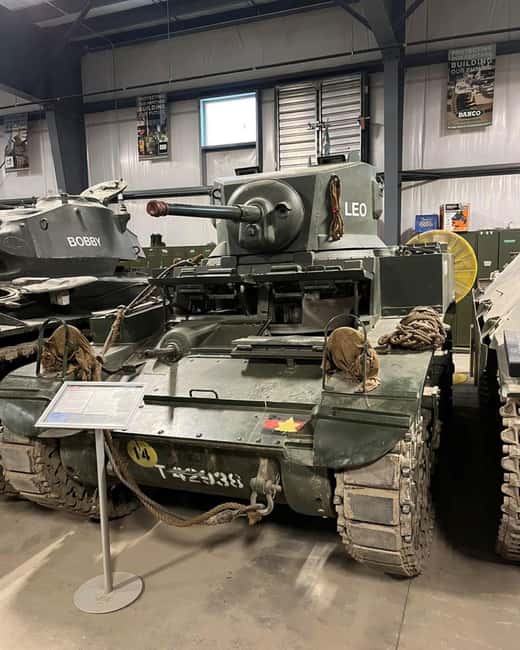
Give yourself time for both the large machines and the smaller artifacts. The vehicles will grab your attention, but the smaller pieces help explain the regiment’s long story and the people behind the equipment.
Ask the veteran guides questions. Their willingness to discuss the museum is one of its strongest features, and you may learn more from a conversation than from a quick pass through an exhibit.
Keep your expectations flexible about vehicle movement. You might see a historic vehicle operating, but the core admission is the collection and permanent exhibitions. Consider any live demonstration an added thrill.
If you are visiting with someone who thinks military museums are only for specialists, start with the human side. The stories of veterans, volunteers, and the local regiment make the collection easier to connect with. One particularly useful sign is that a visitor who booked mainly for a history-loving spouse ended up enjoying the museum personally.
Should you book the Canadian Tank Museum?
Yes, if you want a low-cost, focused museum visit with real machines, restoration work, and direct contact with veterans. At $10, the admission offers strong value, especially because the collection is both large and operational in purpose.
Book it if you are curious about Canada’s Royal Canadian Armoured Corps or want to understand the Ontario Regiment RCAC’s place in Durham Region. Skip it only if you need a guaranteed performance, a highly scripted tour, or a broad museum covering every part of Canadian history.
For most visitors, the best reason to go is the combination of scale and sincerity. You get more than 170 vehicles, but you also see the work required to preserve them and hear from people connected to military service. That makes the Canadian Tank Museum a worthwhile Oshawa stop for specialists and newcomers alike.
FAQ
Where is the Canadian Tank Museum?
The Canadian Tank Museum is in Oshawa, Ontario, Canada.
How much does admission cost?
Admission costs $10 per person.
How long is the admission valid?
Admission is valid for one day.
What does the ticket include?
The ticket includes admission to the Canadian Tank Museum and access to the permanent exhibitions.
Are food and drinks included?
No. Food and drinks are not included with admission.
Can I see historical military vehicles being restored?
Yes. The museum has active vehicle restorations that visitors can view.
Will I definitely see a vehicle operating?
No specific operating demonstration is guaranteed. You might see a historical vehicle on the move during your visit.
Can I speak with veteran guides?
Yes. Veterans serve as tour guides and can discuss the museum, its vehicles, and their stories.
Just added around Canada
- Vancouver Rainforest Hike with Waterfalls, Suspension Bridge, Old Growth Forest★ 5.0 · 94 reviews
- Vancouver Signature Highlights Open Air Roadster Tour★ 5.0 · 7 reviews
- Shore Excursion: Vancouver & Granville Island City Sights Tour★ 5.0 · 7 reviews
- Private Tour: Vancouver Sightseeing and Capilano Suspension Bridge★ 4.5 · 42 reviews
- Vancouver Old Town Treasure Hunt: Self-Guided Walking Game★ 4.5 · 12 reviews
- Vancouver 1-Day Tour (Granville Island/Stanley Park) (Chn&Eng)★ 4.5 · 9 reviews
- Vancouver Local Taste Trail★ 5.0 · 33 reviews
- Vancouver Lookout Admission Ticket★ 4.0 · 185 reviews
Museums, compared.


Art Gallery of Ontario General Admission Ticket
Read our review →



Browse the lists this tour appears in