
Reviewed · WALKING TOURS
Montreal: Plateau Mont-Royal & Mile End Walking Tour
Montreal reveals itself one neighborhood at a time. This three-hour walk through Plateau Mont-Royal and Mile End offers a close look at the city’s local side, with Victorian homes, outdoor staircases, murals, food institutions, and stories about the people who shaped these streets. I like the small limit of 10 participants, which gives the guide room to answer questions and adjust the pace. I also like the bonus snack treats and the useful list of places to eat, drink, and visit after the tour.
The main concern is the walking itself. You will cover a lot of ground, encounter stairs and uneven surfaces, and find few places to sit. The tour is best for people who are comfortable walking for three hours in changing weather and who do not need a step-free route.
In This Review
- Key points about this Montreal neighborhood walk
- Why Plateau Mont-Royal and Mile End matter
- Starting at Saint-Denis and the ITHQ
- Victorian homes, outdoor staircases, and green alleys
- Murals, street art, and Montreal’s creative side
- Food stops at Schwartz’s, Wilensky, and St. Viateur Bagel
- French, multicultural Montreal, and local stories
- The three-hour pace and physical demands
- What the small group changes
- Is $51 a fair price?
- Who should book this tour
- Final verdict: book it for local context
- FAQ
- How long does the Montreal Plateau Mont-Royal and Mile End tour last?
- How many people can join the tour?
- What language is the tour offered in?
- Where does the tour meet?
- What food is included?
- Can the snacks accommodate dietary restrictions?
- Is hotel pickup included?
- Is the tour suitable for children?
- Is the route accessible for people with mobility restrictions?
- What happens if the weather changes?
- Can I cancel for a refund?
- Can I reserve without paying immediately?
Key points about this Montreal neighborhood walk
- Only 10 participants: The small group gives you a better chance to hear the guide, ask questions, and get personal suggestions.
- Two of Montreal’s most distinctive areas: Plateau Mont-Royal and Mile End combine local life, art, food, architecture, and several well-known Montreal institutions.
- A useful mix of subjects: Expect stories about history, buildings, culture, street art, food, and the city’s French and multicultural character.
- Bonus food along the way: Small snack treats provide a quick taste of the area, though dietary restrictions cannot be accommodated.
- A strong starting point: The tour begins outside the Institut de tourisme et d’hôtellerie du Québec at 3535 rue Saint-Denis, facing the park.
- Practical follow-up advice: You leave with a list of recommendations for things to eat, drink, see, and do in Montreal.
Why Plateau Mont-Royal and Mile End matter
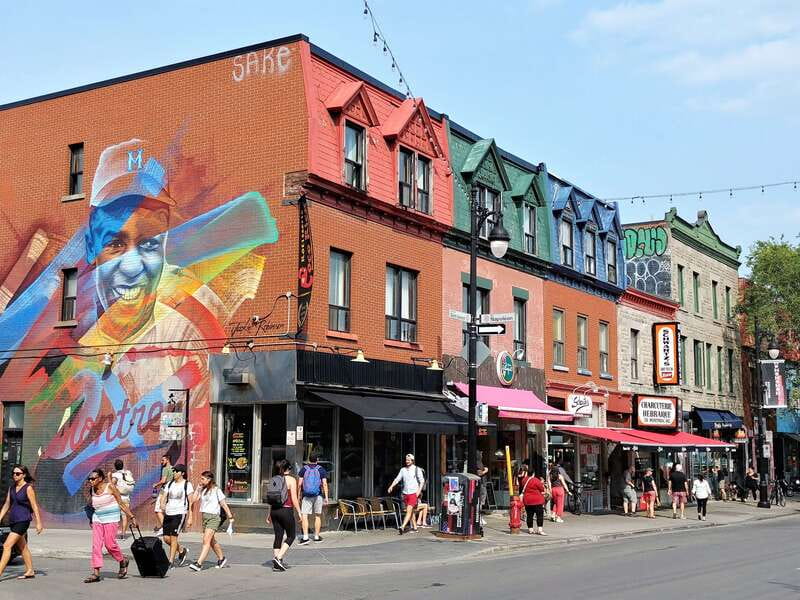
If you only visit Montreal’s grand sights, you can miss the daily life that gives the city its character. Plateau Mont-Royal and Mile End are places to watch how Montreal works at street level: people living above shops, artists reshaping old walls, restaurants serving long-standing specialties, and residents moving between French, English, and many other cultural traditions.
The route focuses on the areas where locals live, work, and spend time. That makes the walk useful early in a Montreal visit, especially if you want to understand the city before deciding where to return for meals or evening exploring.
I particularly like the balance between famous names and ordinary streets. You may hear about places such as Schwartz’s, Wilensky, and St. Viateur Bagel, but the experience is not limited to lining up at famous food counters. The point is to understand why these institutions matter and how they fit into the neighborhoods around them.
More Walking Tours in Montreal
- The Original Old Montréal Walking Tour by Guidatour
★ 4.5 · 2,217 reviews - Old Montreal Small-Group Walking Tour | Max 10 | by MTL Detours
★ 5.0 · 2,088 reviews - Montréal: The Original Old Montréal Walking Tour
★ 4.8 · 911 reviews
Starting at Saint-Denis and the ITHQ
You meet your guide outside the main entrance of the Institut de tourisme et d’hôtellerie du Québec at 3535 rue Saint-Denis. Wait on the sidewalk facing the park, rather than inside the building. This is a useful detail because the meeting point is specific, and a little preparation keeps the group from losing time at the start.
The guide is a certified local expert with a city permit. The company, MTL Detours, is locally owned and operated in Montreal, not a large outside operator sending a guide in from elsewhere. That local connection matters on a neighborhood walk. The value comes less from a list of dates and more from knowing which stories, buildings, food spots, and small details help explain the area.
The tour runs in English. Guides named in the feedback include Catherine, Marie-Hélène, and Tom. Catherine was praised for making the experience special, while Marie-Hélène was singled out for her stories about local places and people. Tom was noted for keeping a good walking pace, explaining clearly, and taking questions along the way.
Those details point to the kind of guiding you can expect: informative but conversational, with room for questions rather than a nonstop speech. That is important in a small group, where a good guide can respond to what interests the people in front of them.
Victorian homes, outdoor staircases, and green alleys
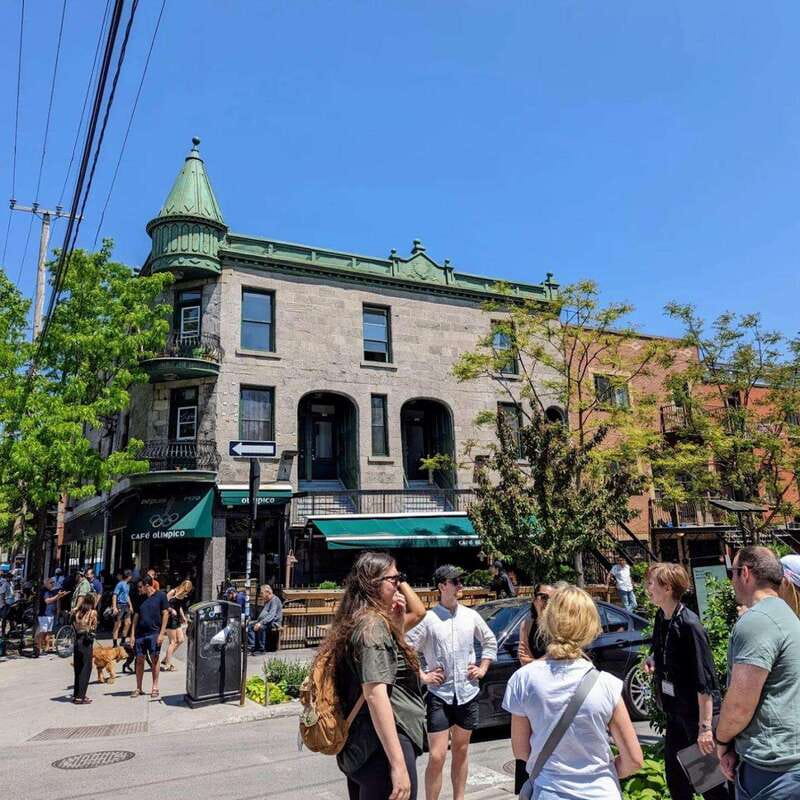
One of the most appealing parts of Plateau Mont-Royal is its built character. The walk introduces you to Victorian-era architecture, the outdoor staircases that are closely associated with Montreal homes, and green alleys that offer a quieter view of neighborhood life.
The staircases are not just decorative. They show how local homes were designed and how residents use limited urban space. From a visitor’s point of view, they also give the streets a very different look from the formal stone buildings and broad squares found in older parts of the city.
The green alleys add another layer. They can feel more personal than a main street, with color, plants, and signs of community life. You should not expect every alley to be polished or picture-perfect. That is part of the appeal. The route is about seeing how the neighborhoods function, not moving from one carefully staged photo stop to the next.
Architecture lovers will get the most from this section, but you do not need specialist knowledge. The guide connects buildings to culture and daily life, so you can understand what you are seeing instead of simply photographing it.
Murals, street art, and Montreal’s creative side
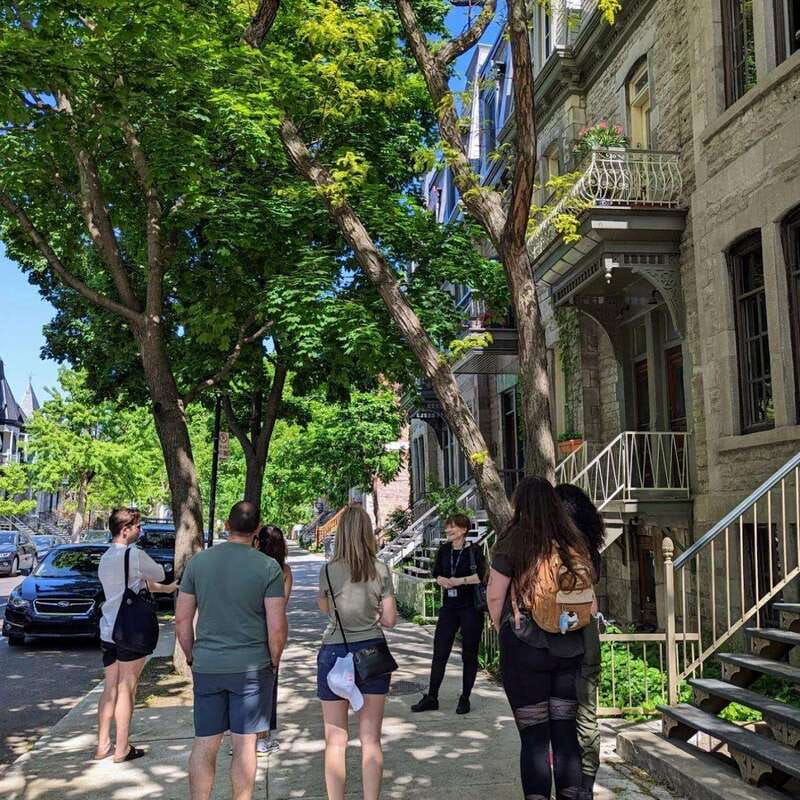
Plateau Mont-Royal and Mile End are also known for colorful murals and street art. The route includes examples of this creative side, showing how public walls become part of the neighborhood’s identity.
Street art changes over time. A mural may be painted over, altered, or joined by something new, so do not treat this portion as a fixed gallery. The larger value is learning to look at the city’s walls, alleys, and storefronts as part of Montreal’s cultural life.
The guide’s role helps here. A painting on a wall tells you only so much by itself. Stories about the people, local culture, or changing character of the area give the art more meaning. Since the tour also covers history, architecture, food, and culture, the art is part of a broader picture rather than an isolated stop.
Bring a phone or camera if you like taking pictures, but keep your attention on the explanations. You are likely to see more than you would on a self-guided walk, especially if you are not familiar with these neighborhoods.
Still Montreal, at a slower pace:
- Montreal: Guided Bus Tour
★ 4.4 · 3,064 reviews - Montreal: Hop-On Hop-Off Double-Decker Bus Tour
★ 4.1 · 2,760 reviews - From Montreal: Quebec City and Montmorency Falls Day Trip
★ 4.5 · 2,669 reviews - Montreal Mile End Authentic Food Tour with 7 Delicacies Tastings
★ 5.0 · 2,598 reviews
Food stops at Schwartz’s, Wilensky, and St. Viateur Bagel
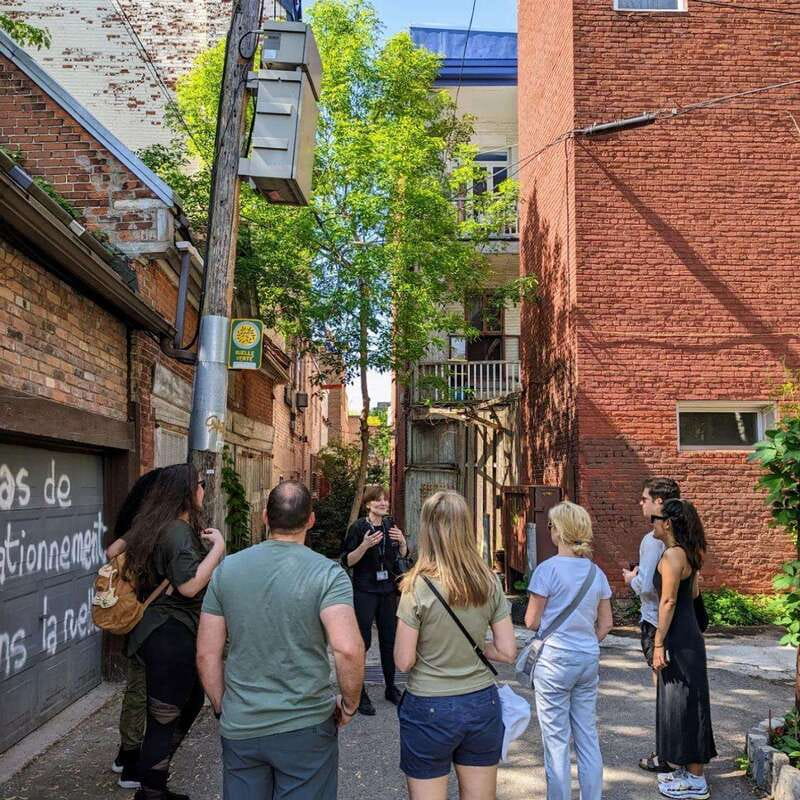
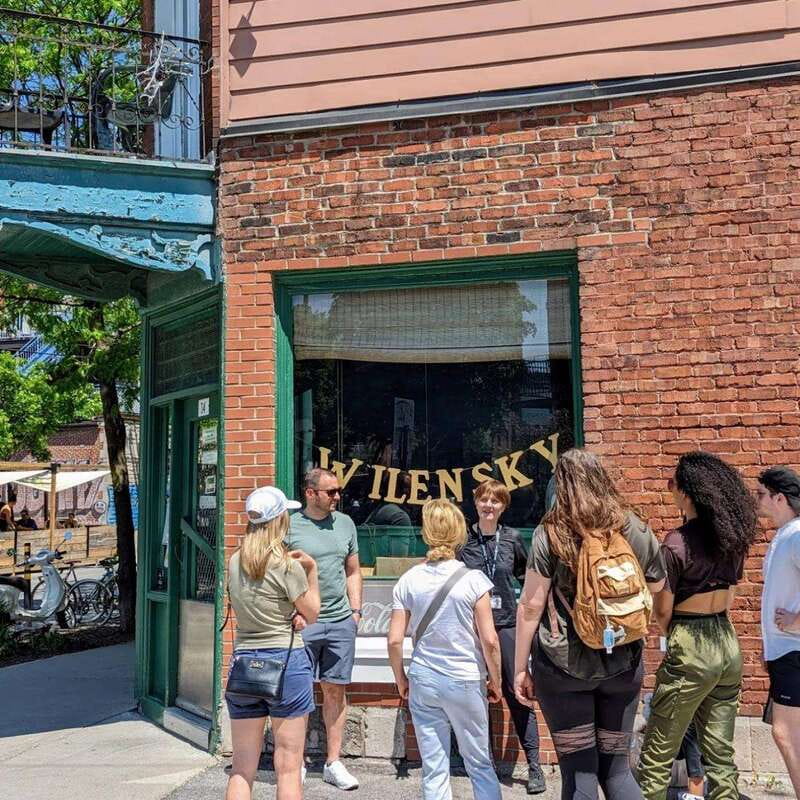
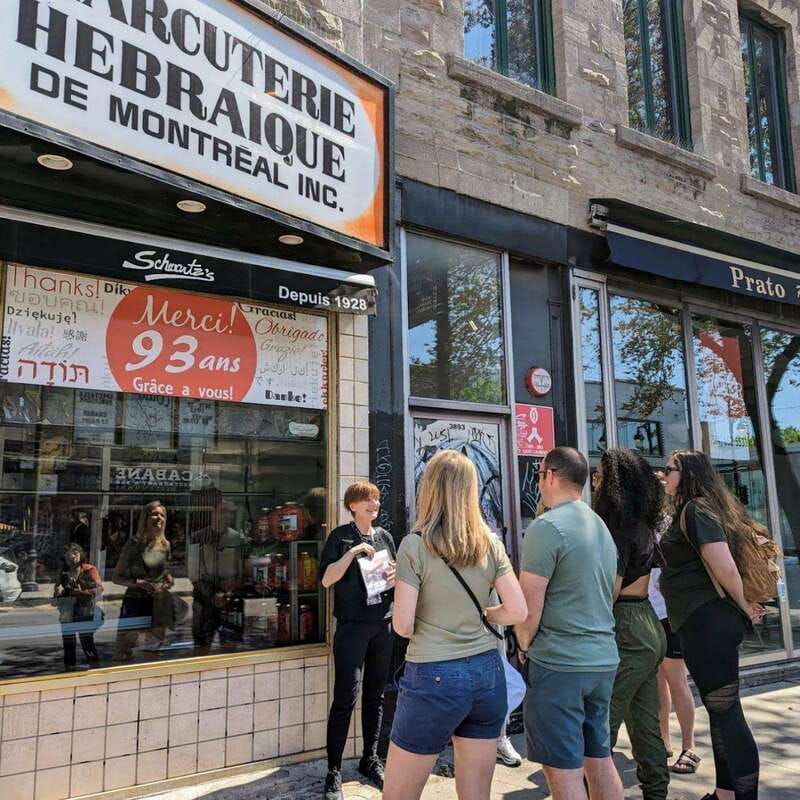
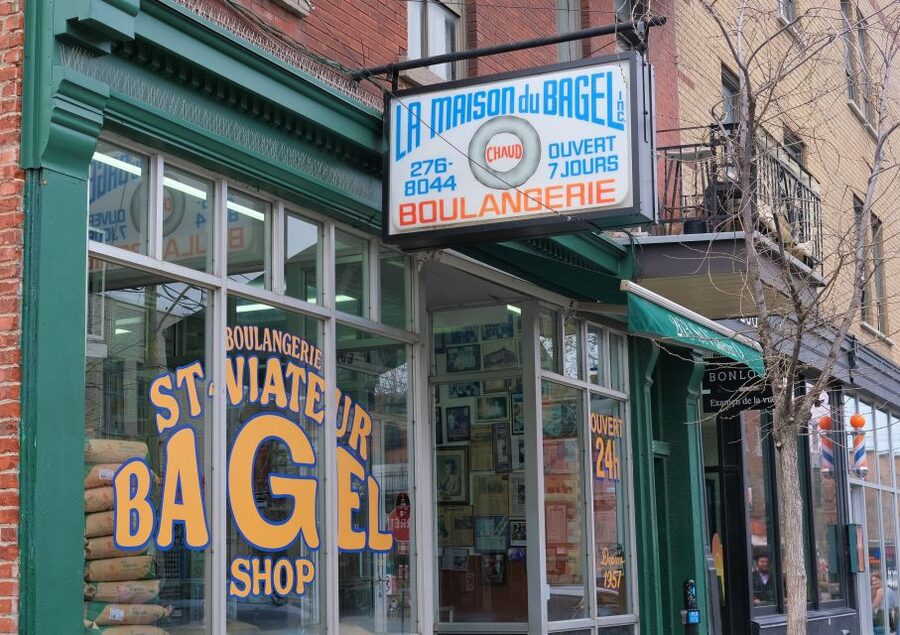
Food is one of the strongest reasons to choose this walk. Montreal’s famous institutions are not included as a full meal, but the route introduces you to several names associated with the city: Schwartz’s, Wilensky, and St. Viateur Bagel.
These places help explain Montreal through taste and tradition. Schwartz’s is linked with the city’s famous smoked meat culture. Wilensky is another long-running local institution, while St. Viateur Bagel represents a food tradition that many visitors come to Montreal specifically to try.
The tour includes bonus snack treats, intended to give you a small boost during the walk. A previous participant described the treats as well timed and sufficient to recharge before continuing. That is a useful way to think about them: this is not a food tour with a series of filling courses, but the snacks add flavor and a welcome pause to an active afternoon.
Food and drinks beyond the included treats are not covered. You should budget separately if you want to buy a bagel, smoked meat, or anything else along the route. The bonus treats also cannot accommodate dietary restrictions, so people with allergies or strict dietary needs should plan carefully and ask before booking if this is important.
The food stops are especially valuable because the guide can add context. Instead of simply being told where to eat, you receive a list of recommendations for future meals and drinks in Montreal. That list may save you time later, though the supplied information does not promise reservations, discounts, or guaranteed entrance to any business.
French, multicultural Montreal, and local stories
The route also introduces Montreal’s multicultural side and gives you a chance to practice French. That can be a pleasant part of the experience even if you know only a few words.
Montreal is not presented as a single-culture city. Plateau Mont-Royal and Mile End bring together different languages, communities, food traditions, and artistic influences. The guide connects these subjects through stories about local people and places, making the walk useful for anyone who wants more than a checklist of sights.
I like this approach because it gives you context without requiring a formal history lecture. One participant specifically appreciated receiving explanations of general Canadian historical facts that were not familiar to her. That suggests the guide can adjust well for people who are new to Canada, rather than assuming you already know the background.
You can also ask questions as you go. Tom was praised for welcoming questions during the walk, and Marie-Hélène was praised for explaining a wide range of topics with patience. If you have an interest in architecture, food, immigration, art, or Montreal’s language mix, use the small group to ask.
The three-hour pace and physical demands
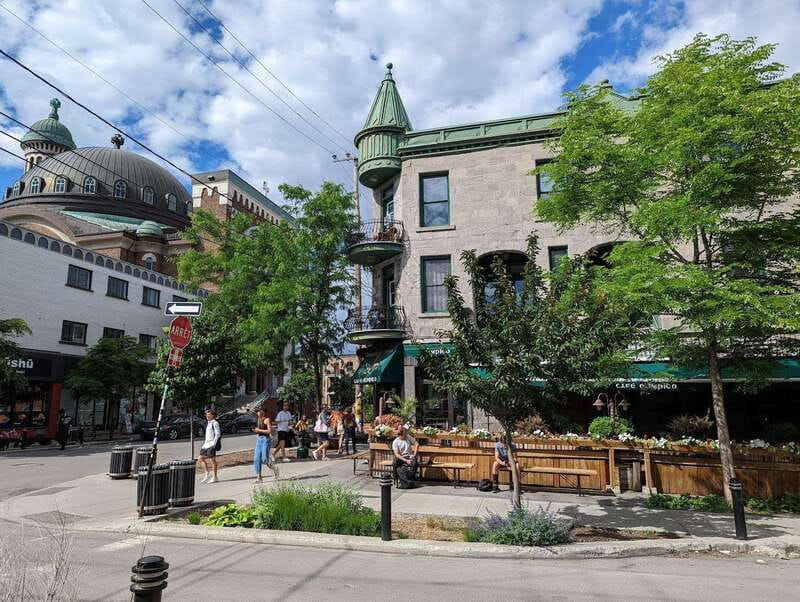
Three hours is enough time to cover the essential highlights without turning the experience into a full-day commitment. It also means you should take the walking seriously.
The route includes extensive walking, varied terrain, cobblestones, and stairs. There are limited places to sit, so this is not a good choice if you need regular rest stops. Comfortable shoes are essential, and I would also bring water and dress for the forecast, even though only comfortable shoes are specifically required.
The tour operates in all weather conditions. Montreal weather can shift, and an appealing sunny walk can become less pleasant in rain, wind, or heat. Prepare for the conditions rather than assuming the tour will be postponed.
The pace appears to be steady rather than rushed. One participant praised the walking speed, and another described the route as a lot of walking at a pleasant pace. Still, a comfortable pace does not remove the need for stamina. The small group limit may help the guide manage the walk, but it does not change the route’s physical demands.
This experience is not recommended for people with mobility restrictions or visual impairments. It is also unsuitable for children under 12. Every participant, including older children, needs a paid ticket.
What the small group changes
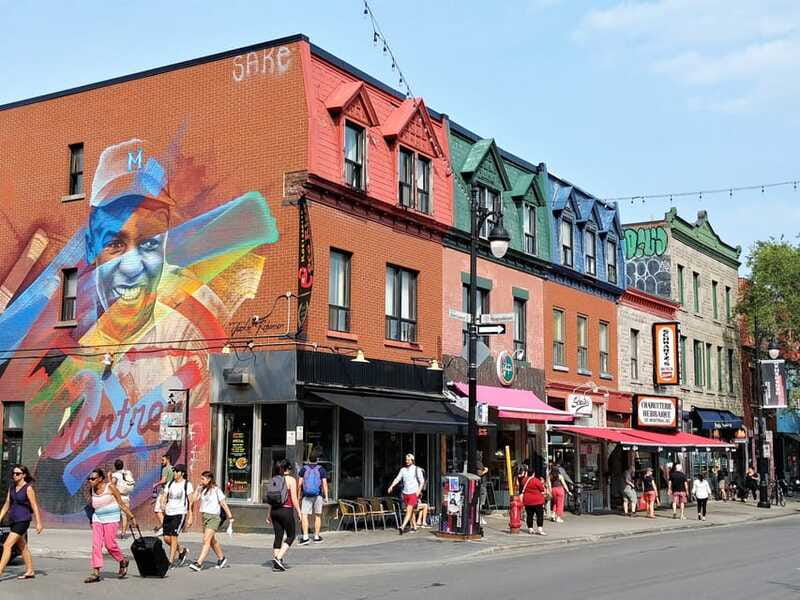
A maximum of 10 people is one of the clearest advantages here. In a large group, street corners can become crowded, questions get lost, and the guide may need to spend more time repeating instructions. With 10 or fewer, you have a better chance of hearing stories clearly and getting direct answers.
The group size also suits the neighborhoods. Narrow sidewalks, alleys, food stops, and residential streets are easier to handle with a small party. You are less likely to feel like you are moving through the area as a large block of sightseers.
Small groups do not guarantee a perfect match of personalities or interests. One person may want more food information, another may care about architecture, and someone else may ask about Canadian history. The positive point is that the guide has a reasonable chance to respond to those differences.
The guide’s personal style matters a great deal. Catherine, Marie-Hélène, and Tom received especially strong praise for warmth, clear explanations, stories, patience, and pace. Those qualities are more important on a neighborhood walk than a long list of facts.
Is $51 a fair price?
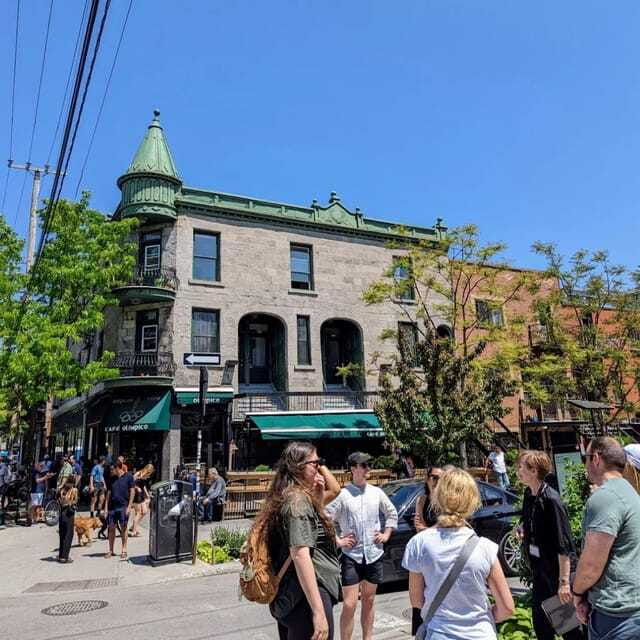
At $51 per person, this is not the cheapest way to walk around Montreal. You can explore the streets independently for free, and you can buy your own snacks as you go.
The price makes more sense if you value interpretation and efficiency. In three hours, you receive a planned route through two major areas, a certified local guide, explanations of architecture and culture, introductions to food institutions, bonus treats, and a recommendation list for the rest of your visit. The maximum group of 10 also gives the tour a more personal feel than a standard city walk.
I would consider it good value for a first or second day in Montreal, when practical advice can shape the rest of your stay. It is less compelling for repeat visitors who already know Plateau Mont-Royal and Mile End well, or for people who prefer to wander without a schedule.
Free cancellation up to 24 hours before the start gives you some flexibility. You can also reserve and pay later, which helps if you are still arranging your Montreal plans.
Who should book this tour
I would recommend this walk to first-time Montreal visitors who want to see beyond the most formal tourist areas. It also suits food-minded visitors, architecture fans, street-art followers, and anyone who enjoys learning about how a city’s neighborhoods developed.
It works well for solo visitors and couples who want local orientation without joining a large group. The recommendation list is another benefit if you still need to decide where to eat or what to do after the tour.
I would not choose it for young children, people who need step-free access, or anyone uncomfortable walking for most of three hours. It is also a poor fit if you want a full meal, hotel pickup, or a tour in a language other than English.
Final verdict: book it for local context
Book this tour if you want Montreal explained through its streets, food traditions, art, buildings, and local voices. The small group, strong guides, bonus snacks, and follow-up recommendations give it more value than a simple orientation walk.
Skip it if you already know these neighborhoods well or if stairs, cobblestones, and long periods on foot will make the day difficult. For everyone else, $51 is a sensible spend for a focused introduction to two of Montreal’s most interesting areas, especially near the beginning of your visit.
FAQ
How long does the Montreal Plateau Mont-Royal and Mile End tour last?
The tour lasts three hours.
How many people can join the tour?
The group is limited to a maximum of 10 participants.
What language is the tour offered in?
The live tour guide speaks English.
Where does the tour meet?
Meet outside the main entrance of the Institut de tourisme et d’hôtellerie du Québec at 3535 rue Saint-Denis. Wait on the sidewalk facing the park.
What food is included?
The tour includes bonus snack treats. Additional food and drinks are not included.
Can the snacks accommodate dietary restrictions?
No. The bonus treats cannot accommodate dietary restrictions.
Is hotel pickup included?
No. Hotel pickup and drop-off are not included.
Is the tour suitable for children?
The minimum age is 12, and every participant must have a paid ticket.
Is the route accessible for people with mobility restrictions?
The tour is not recommended for people with mobility restrictions or visual impairments. It includes extensive walking, stairs, cobblestones, varied terrain, and limited places to sit.
What happens if the weather changes?
The tour operates in all weather conditions, so you should arrive prepared for the forecast.
Can I cancel for a refund?
You can cancel up to 24 hours in advance for a full refund.
Can I reserve without paying immediately?
Yes. The reserve-now, pay-later option lets you book your place without paying at the time of reservation.
Just added around Montreal
- Full Day Family Bike Rental★ 5.0 · 17 reviews
- Winter Express: Old Montreal Highlights Walking Tour★ 5.0 · 119 reviews
- Montréal Downtown and Underground City Private Walking Tour★ 5.0 · 47 reviews
- Montreal Premium Driving Tour with River Cruise and Notre Dame★ 4.5 · 164 reviews
- Under the Surface of Montreal’s Chinatown: Guided Food Walking Tour★ 5.0 · 23 reviews
- The Ultimate Montreal Boat Tour – Fall Colors Apéro Edition★ 4.5 · 31 reviews
- In the Shadow of the Mountain: Montreal Jewish History Walking Tour★ 4.5 · 33 reviews
- Immersive Virtual Reality Game Activity★ 5.0 · 19 reviews
Walking Tours, compared.
Old Quebec City: Grand Walking Tour with Private Option
Read our review →
The Original Old Montréal Walking Tour by Guidatour
Read our review →
Old Montreal Small-Group Walking Tour | Max 10 | by MTL Detours
Read our review →
Old Quebec Classique Walking Tour with Funicular
Read our review →
Quebec: Crimes of New France Animated Walking Tour
Read our review →Browse the lists this tour appears in