
Reviewed · MUSEUMS
Calgary: Gasoline Alley Museum Admission
Cars tell surprising stories.
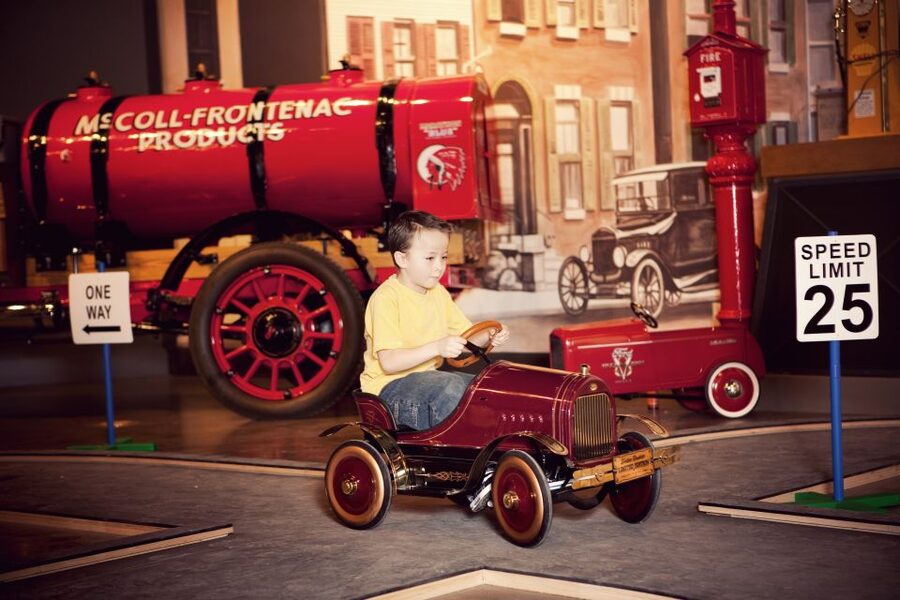
Calgary’s Gasoline Alley Museum turns the rise of the motor car into a hands-on history lesson, with rare cars, trucks, working vehicles, antique pumps, and old petroleum signs. I especially like the remarkable gasoline pump collection and the chance to see vehicles and artifacts from before World War II. The on-site interpreters add useful context without making the visit feel like a lecture.
The main consideration is scope. Your $10 ticket covers Gasoline Alley Museum for one day, not the other attractions at Heritage Park Historical Village. In summer, the museum is included with general Heritage Park admission, so buying this separate ticket makes the most sense when you visit outside the main summer season or want the museum on its own.
In This Review
- Key things to know before you go
- Why Gasoline Alley Museum is worth your time
- Entering the main showroom
- The antique gasoline pumps deserve extra time
- The lower showroom adds a second chapter
- How the museum explains social change
- On-site interpreters improve the visit
- A practical visit from Calgary
- Who will enjoy this museum most?
- Accessibility and simple planning tips
- Should you book Gasoline Alley Museum?
- FAQ
- Where is Gasoline Alley Museum located?
- Can I reach the museum by public transportation?
- What does admission to Gasoline Alley Museum include?
- Does the ticket include Heritage Park Historical Village?
- Is Gasoline Alley Museum open all year?
- Is the museum wheelchair accessible?
Key things to know before you go
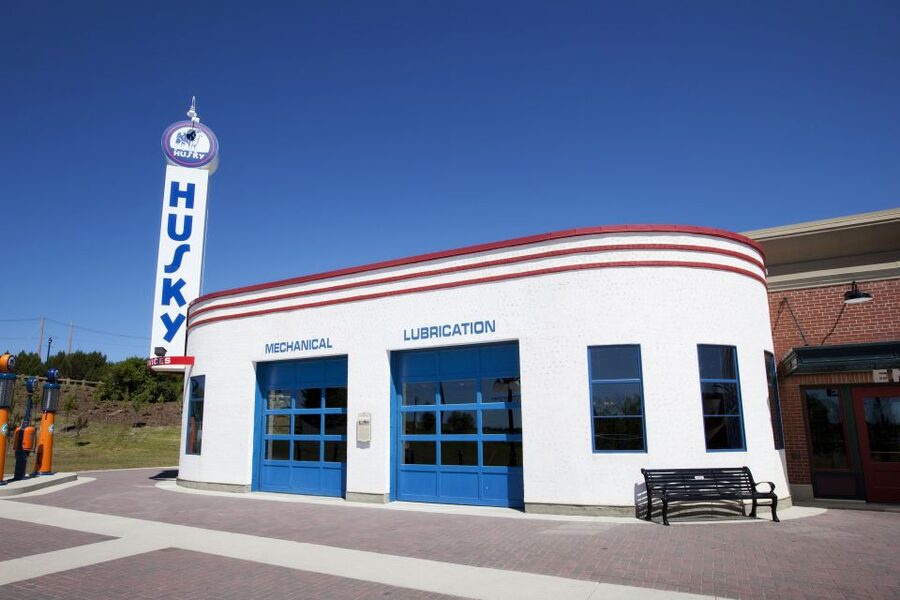
- Rare pumps and petroleum signs: See an unusually large collection of antique gasoline pumps and signs from historic petroleum companies.
- Cars from the 1900s to the 1950s: The displays cover the early motor age, including classic cars, trucks, and working vehicles.
- A story bigger than automobiles: Learn how cars changed work, travel, shopping, and daily life across North America.
- A lower showroom adds more to see: Do not stop at the first floor. The lower level holds additional vehicles and artifacts.
- Open year-round: Gasoline Alley Museum remains open when most of Heritage Park closes from mid-October to mid-May.
- Easy access for many visitors: The museum is wheelchair accessible, and a shuttle bus connects Heritage LRT Station with Heritage Park.
Why Gasoline Alley Museum is worth your time
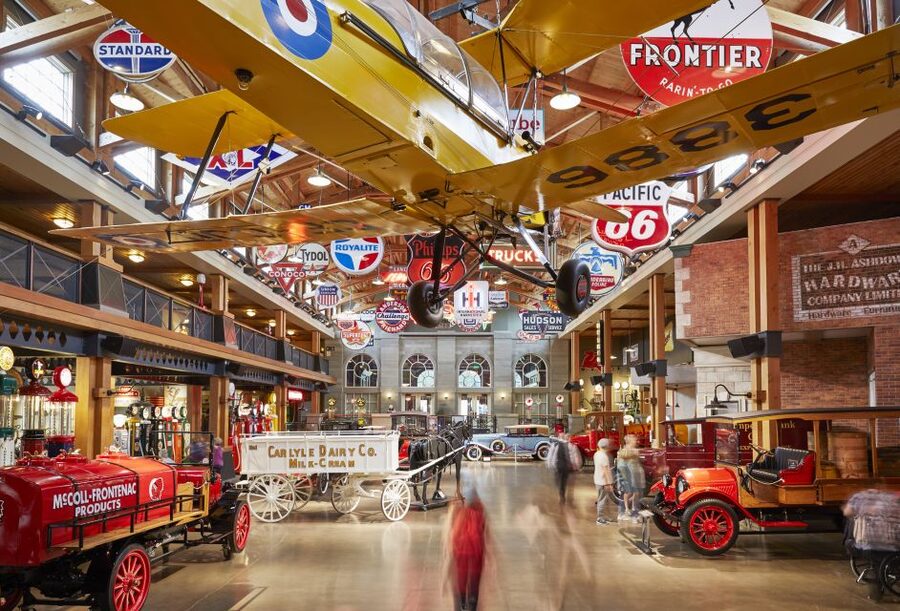
Gasoline Alley Museum is not just a garage full of polished cars. It explains how the automobile moved from a strange new machine to an ordinary part of North American life. That change affected far more than transportation. It altered where people lived, how businesses operated, how goods moved, and how families spent their time.
I like museums that use objects to explain social change, and this one has the right objects. A classic car catches your eye first. Then an old gasoline pump or company sign reminds you that motoring needed an entire new commercial world around it. Roads, fuel stations, repair shops, delivery vehicles, and advertising all grew with the car.
The displays focus mainly on the period from the 1900s through the 1950s. That gives the museum a clear time frame. You are looking at the early decades of mass motoring, when the car was still changing quickly in design and purpose.
The museum also has a strong local fit. Calgary and Alberta are closely linked with roads, fuel, transport, and the petroleum industry. The historic signs and pumps help connect automobile culture with that wider western Canadian setting, while the automobile story itself reaches across North America.
More Museums in Calgary
- Calgary: 3.5-Hour Bus City Tour with Gasoline Alley Museum
★ 4.7 · 205 reviews - Badlands Tour: Drumheller with Museum, Hoodoos & Dinosaurs
★ 4.7 · 28 reviews - Calgary to Royal Museum | Drumheller – PRIVATE TOUR
★ 4.5 · 27 reviews
Entering the main showroom
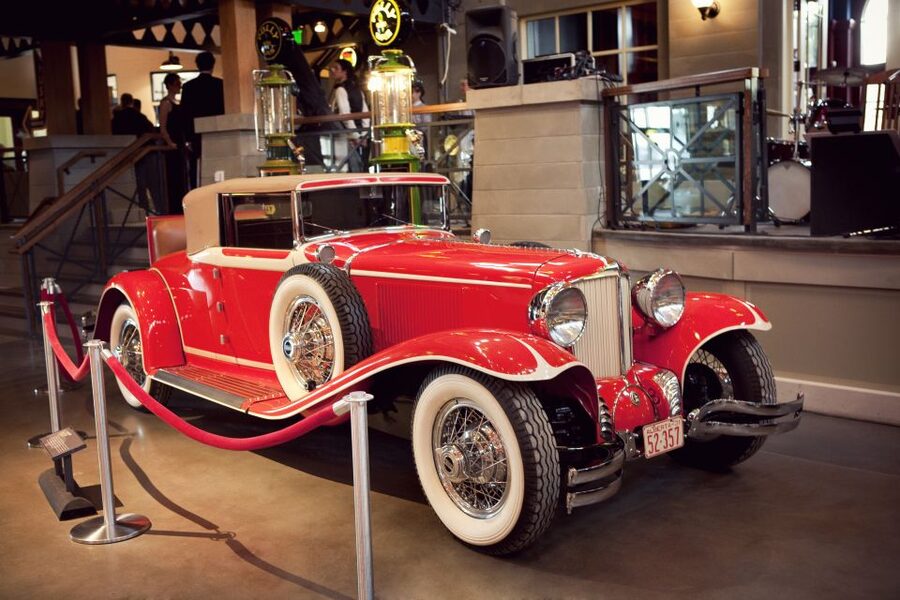
Plan to spend time looking beyond the best-known cars. The main showroom includes classic automobiles, trucks, and working vehicles, so the displays are not limited to private family cars. That variety helps show how motor vehicles served different needs.
A passenger car can suggest changing ideas about comfort and status. A truck points toward hauling, trade, farming, and commercial work. A working vehicle shows that the automobile was not only a leisure purchase. It became a tool.
You will see vehicles dating from the 1900s to the 1950s. The earliest examples are especially useful for understanding how different the first motor age looked. Before the car became familiar, its shape, controls, and practical role were still developing. Later vehicles show the move toward the forms that became more recognizable to modern eyes.
The presentation is suited to both serious car fans and casual visitors. If you know little about automobiles, you can still follow the broad story. If you already enjoy vintage vehicles, the collection gives you plenty of details to inspect, from body shapes to period equipment.
I suggest taking one slow pass through the room before deciding which vehicles interest you most. Then return to those displays. This works better than rushing from car to car, since the value here comes from comparing periods and purposes.
The antique gasoline pumps deserve extra time
The gasoline pumps may be the museum’s most distinctive feature. Many automobile collections have old cars. Far fewer give fuel pumps and petroleum advertising such a central role.
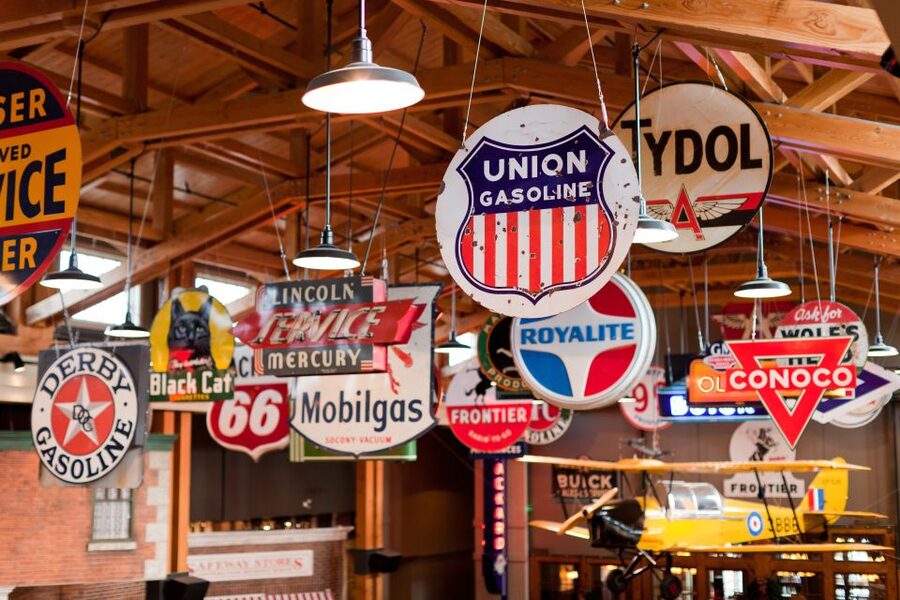
These pumps show how filling a car became a recognizable part of daily life. Their shape, lettering, and branding reflect an earlier age of roadside business. The collection includes signs from a wide variety of historic petroleum companies, giving you a visual record of changing fuel brands and commercial identity.
I would make the pump displays a priority, even if you came mainly for cars. The unusual range is one of the strongest reasons to visit. It also makes the museum more interesting for people who are not devoted car collectors.
Look at the signs as part of the story, not just as decoration. Before today’s standardized highways and familiar fuel stations, motorists relied on visible signs to find fuel and services. A bold company name or colorful roadside marker helped turn an ordinary stop into a recognizable part of a journey.
The collection also gives the museum a sense of place. These objects link motoring with the petroleum business, road travel, and the practical challenge of keeping early vehicles moving. That connection is easy to miss in a car museum focused only on bodywork.
The lower showroom adds a second chapter
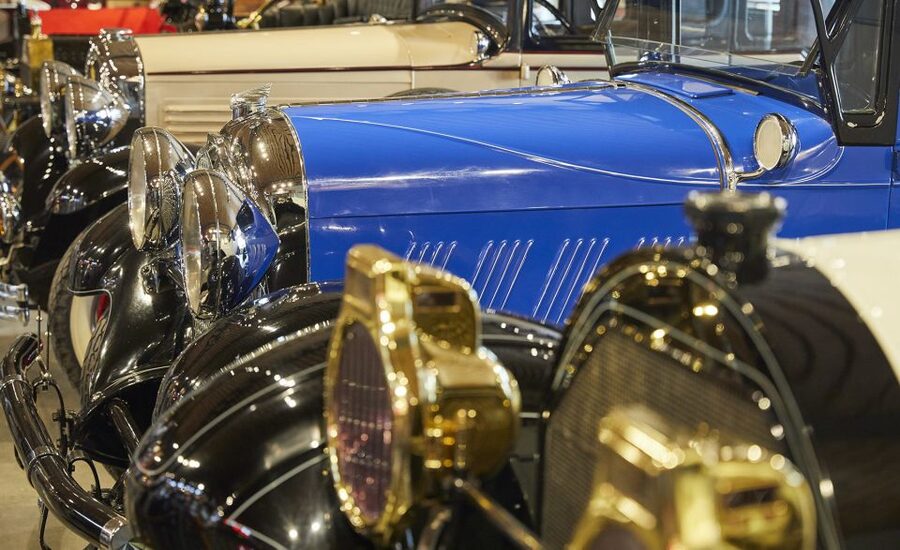
Do not assume you have seen the whole museum after the main room. The lower showroom contains additional artifacts and vehicles, and it is an important part of the visit.
The lower level gives you more space to look at the machinery and objects connected with early motoring. Since the museum includes thousands of pieces of memorabilia, this area helps complete the picture. You might find that the additional material is especially useful after you have seen the headline vehicles upstairs.
For families, the lower showroom can help keep the visit moving. Children who lose interest in one display may enjoy the change of room and the wider mix of objects. Adults can use the second area to slow down and focus on details that are easy to miss in the main showroom.
Allow enough time for both levels. A quick visit is possible, but it would leave out a large part of what makes this museum worthwhile.
Still Calgary, at a slower pace:
- Lake Louise, Moraine Lake, Banff Tour from Calgary/Canmore/Banff
★ 5.0 · 2,792 reviews - Calgary: 3-Hour Sightseeing Bus Tour
★ 4.7 · 940 reviews - Explore Banff National Park with Our Premium Day Tour
★ 5.0 · 777 reviews - Discover Banff National Park – Premium Day Trip
★ 5.0 · 682 reviews
How the museum explains social change
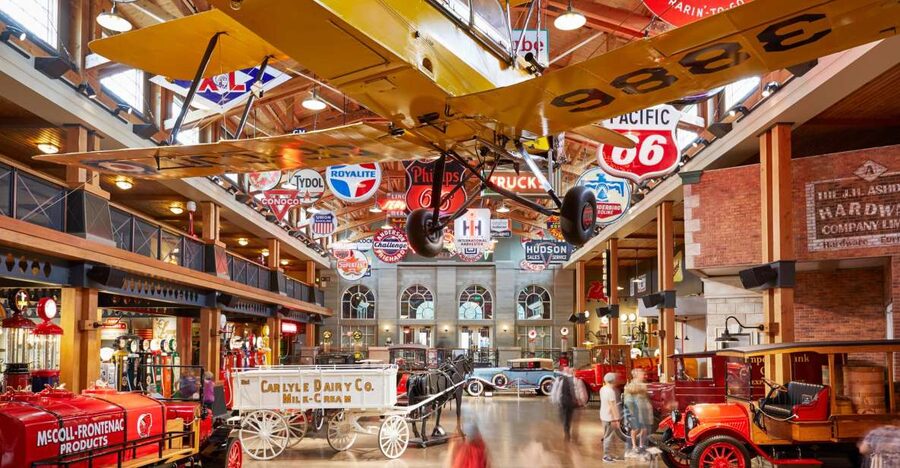
The strongest part of the visit is the connection between machines and people. Gasoline Alley Museum looks at the transition from horse and carriage to motor car, a shift that changed the rhythm of everyday life.
The automobile made longer-distance travel easier and helped connect communities. It also changed how goods were delivered and how businesses reached customers. Trucks and working vehicles tell this part of the story better than a display of luxury cars alone.
The museum’s focus on North American automobile history gives you a broad frame. You are not simply learning when a certain model was made. You are seeing how a new form of transport became part of work, family life, commerce, and leisure.
That social context is useful for young visitors. A child may first notice the size or shape of an old car. An interpreter can then explain why vehicles mattered and how they changed the way people moved. Adults get a similar benefit, since the exhibits connect familiar modern habits with their earlier beginnings.
The museum also shows that progress was not instant. The early decades of motoring included many different vehicle types, fuel brands, and commercial ideas. Seeing those objects together makes the period feel experimental rather than inevitable.
On-site interpreters improve the visit
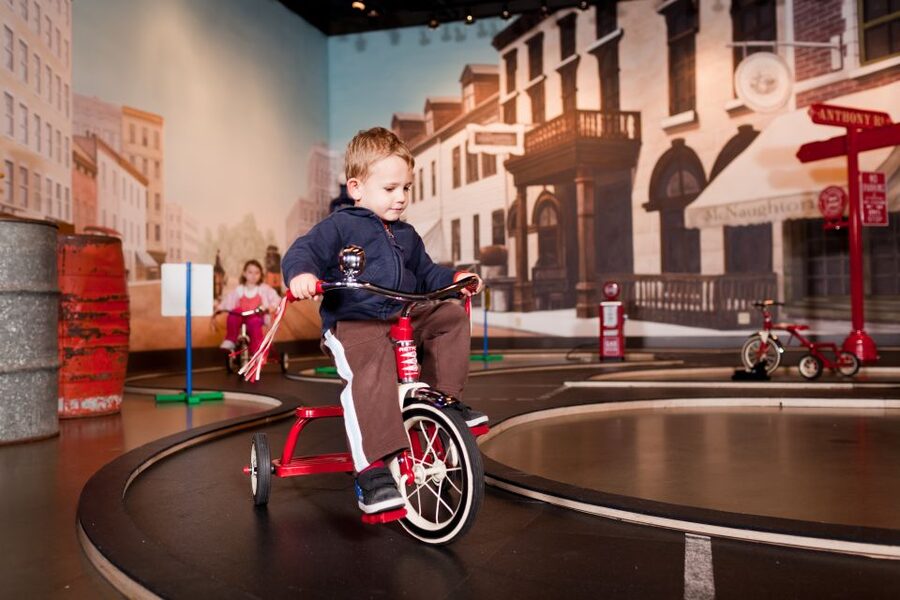
Admission includes on-site interpreters. Their role matters because the collection contains many objects that could otherwise become a blur of old metal and painted signs.
A good explanation can tell you why a vehicle matters, what a pump was used for, or how a display fits into the wider automobile story. The interpreters also make the museum more approachable if you do not know the difference between various early vehicle styles.
The available feedback points to friendly, helpful interpretation, with visitors praising the volunteers for their knowledge and the guides for being very pleasant. No individual interpreter names are provided, so you should not plan around a particular guide.
You can visit at your own speed, then ask questions as they come up. That is a better arrangement than being tied to a fixed tour schedule. It also works well for families, since different people can spend more or less time at each display.
A practical visit from Calgary
Gasoline Alley Museum is located at 1900 Heritage Drive SW in Calgary. If you use public transportation, a shuttle bus is available from Heritage LRT Station, which makes the museum easier to reach without a car.
The ticket is valid for one day from first activation. At $10 per person, it offers solid value if you want a focused museum visit. You are paying for access to a large collection, the lower showroom, and on-site interpretation, not just a quick look at a few display cars.
The value depends on how you use the ticket. If you are already paying general admission to Heritage Park Historical Village during the summer, Gasoline Alley Museum is included, so you should not purchase a separate museum ticket. Outside the summer months, when the other Heritage Park attractions are closed, the museum provides a year-round indoor stop.
The Railway Café is also open year-round. Food and drinks are not included with museum admission, but the café gives you an option for a break during your visit.
Give yourself at least enough time to see both showrooms without hurrying. The official validity is one day, so you can return to the displays during that day if your wider plans allow. The ticket does not include Heritage Park’s other attractions, so check what you want to see before booking.
You can cancel up to 24 hours ahead for a full refund, and a reserve-now, pay-later option is available. Those details are useful if your Calgary schedule is still shifting.
Who will enjoy this museum most?
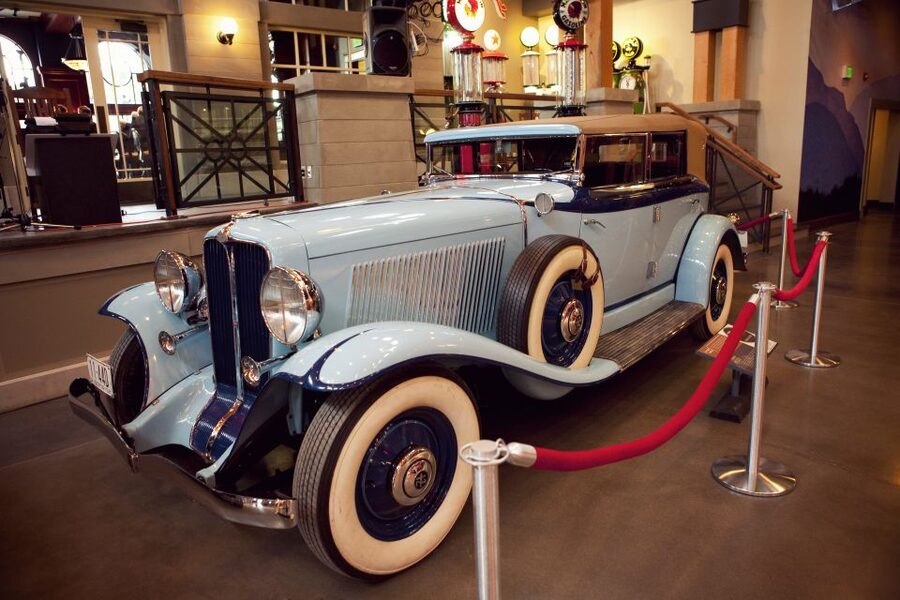
Gasoline Alley Museum suits several kinds of visitors:
- Classic car fans will appreciate the restored automobiles, trucks, and working vehicles.
- Petroliana collectors will find the pumps and petroleum signs especially appealing.
- Families get a manageable indoor activity with visual displays and interpreters.
- History-minded visitors can follow the wider change from horse transport to motor travel.
- Winter visitors to Calgary gain a year-round attraction when much of Heritage Park is closed.
- Visitors with limited time can focus on one museum rather than trying to cover all of Heritage Park.
It may be less satisfying if you expect an interactive amusement attraction or a full tour of the historic village. This is mainly a museum visit built around objects, interpretation, and comparison. The fun comes from seeing unusual artifacts and understanding why they mattered.
Children who already like cars will have plenty to look at. For younger children without that interest, the museum may work best as part of a broader Heritage Park day in summer, when other attractions are available too.
Accessibility and simple planning tips
The museum is wheelchair accessible. That makes it a practical indoor choice for many visitors, though you may still want to allow extra time if you prefer a slower pace through the collection.
Pets are not allowed, and alcohol and drugs are prohibited. Food and drinks are not part of admission, so use the Railway Café if you want to eat during a year-round visit.
For the clearest visit, start with the main showroom, spend extra time with the pumps and signs, then continue to the lower showroom. Ask an interpreter about objects that catch your attention. The collection is large enough that a few questions can turn a display of old equipment into a much clearer story.
If you are visiting between mid-October and mid-May, remember that the museum is open even though the other Heritage Park attractions are closed. That seasonal distinction is one of the museum’s biggest practical advantages.
Should you book Gasoline Alley Museum?
Book it if you enjoy classic vehicles, old commercial signs, or museums that explain how technology changed ordinary life. At $10, it is a reasonably priced Calgary attraction, especially outside the summer Heritage Park season.
I would give the museum extra weight for its antique gasoline pumps and petroleum signs. The cars are the obvious draw, but the pumps provide the unusual character. Add the lower showroom and friendly on-site interpretation, and you have more than a quick photo stop.
Skip the separate ticket if you are visiting Heritage Park in summer, since the museum is already included with general admission. Otherwise, Gasoline Alley Museum is a smart choice for a family-friendly indoor visit with real historical substance.
FAQ
Where is Gasoline Alley Museum located?
Gasoline Alley Museum is at 1900 Heritage Drive SW, Calgary, Alberta, T2V 1R1, Canada.
Can I reach the museum by public transportation?
Yes. A shuttle bus is available from Heritage LRT Station.
What does admission to Gasoline Alley Museum include?
The $10 admission includes access to Gasoline Alley Museum and on-site interpreters.
Does the ticket include Heritage Park Historical Village?
No. Admission to other Heritage Park Historical Village attractions is not included. During the summer months, the museum is included with general Heritage Park admission.
Is Gasoline Alley Museum open all year?
Yes. Gasoline Alley Museum is open year-round. Most other Heritage Park attractions are closed from mid-October to mid-May.
Is the museum wheelchair accessible?
Yes. Gasoline Alley Museum is wheelchair accessible.
Just added around Calgary
- Airport Shuttle: Calgary Airport <—-> Downtown Calgary★ 5.0 · 19 reviews
- Emerald Lake, Takakkaw Falls, Lake Louise with Banff Explorer★ 5.0 · 18 reviews
- Calgary YYC Airport to Lake Louise – Private Shuttle★ 5.0 · 10 reviews
- Western Classic – One Way Calgary To Vancouver Rockies Bus Tour★ 5.0 · 9 reviews
- 1 Hour Shared Winter Sleigh Ride Experience in Kananaskis★ 4.5 · 14 reviews
- From Calgary to Waterton National Park Nature History and Wonders★ 5.0 · 22 reviews
- Waterfalls, Lakes & Hidden Gems – Yoho Adventure from Calgary★ 5.0 · 7 reviews
- Johnston Canyon, Marble Canyon Hiking and Banff Town day tour★ 5.0 · 6 reviews
Museums, compared.

Art Gallery of Ontario General Admission Ticket
Read our review →



Browse the lists this tour appears in