
Reviewed · TRAIN EXPERIENCES
Niagara Parks: Power Pass + Falls Incline Railway
Power meets Niagara’s wildest view. The Niagara Parks Power Pass gives you a full day to explore a historic hydroelectric station, descend 180 feet by glass elevator, and walk through a 2,200-foot tunnel toward the river’s edge. I especially like the close-up view beneath Horseshoe Falls and the freedom to return after dark for illuminated falls and the Currents light show. The included Falls Incline Railway is another useful bonus, not just a decorative extra.
The main consideration is value. At $26 per person, the pass is fairly priced if you use both the daytime and nighttime access, but the Power Station itself is self-guided. If you rush through the exhibits or skip the evening visit, you may find the cost a little high for an attraction you can complete in roughly two hours.
In This Review
- Key points to know
- Why the Niagara Parks Power Station is worth your time
- Starting inside the historic generator hall
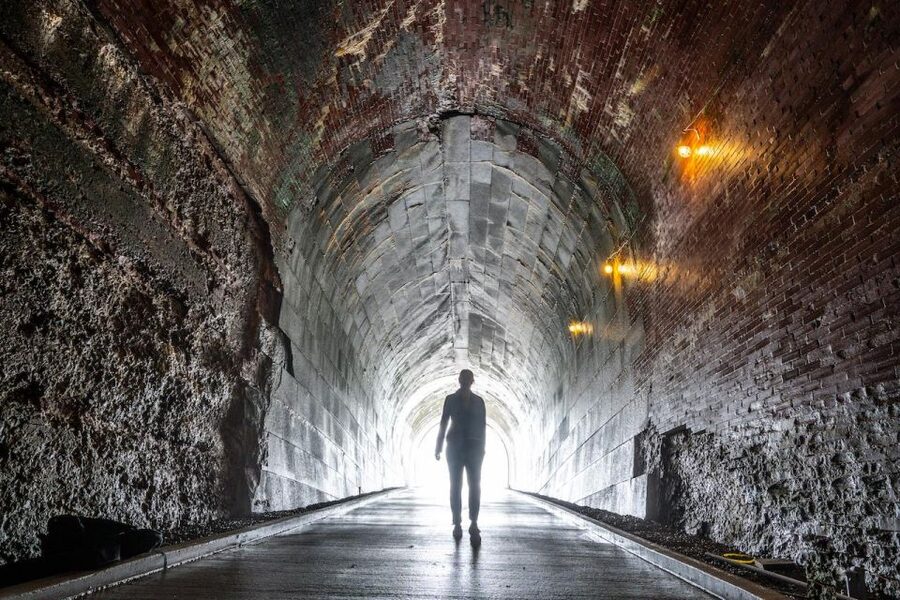
- The 180-foot descent to the Tailrace Tunnel
- The observation deck beneath Horseshoe Falls
- Returning after dark for Niagara’s second act
- Using the Falls Incline Railway
- Is the $26 price a good deal?
- Who will enjoy this experience most?
- Practical planning advice for your day
- Should you book the Power Pass?
- FAQ
- Where is the Niagara Parks Power Station?
- What does the Power Pass include?
- How long should I allow for the visit?
- How long is the tunnel walk?
- Is the tunnel guided?
- Can I visit the Power Station at night?
- What is included in the nighttime experience?
- Is the Falls Incline Railway included?
- Is the attraction wheelchair accessible?
- Are food and drinks included?
- Are young children charged admission?
- Can I park near the Power Station?
Key points to know
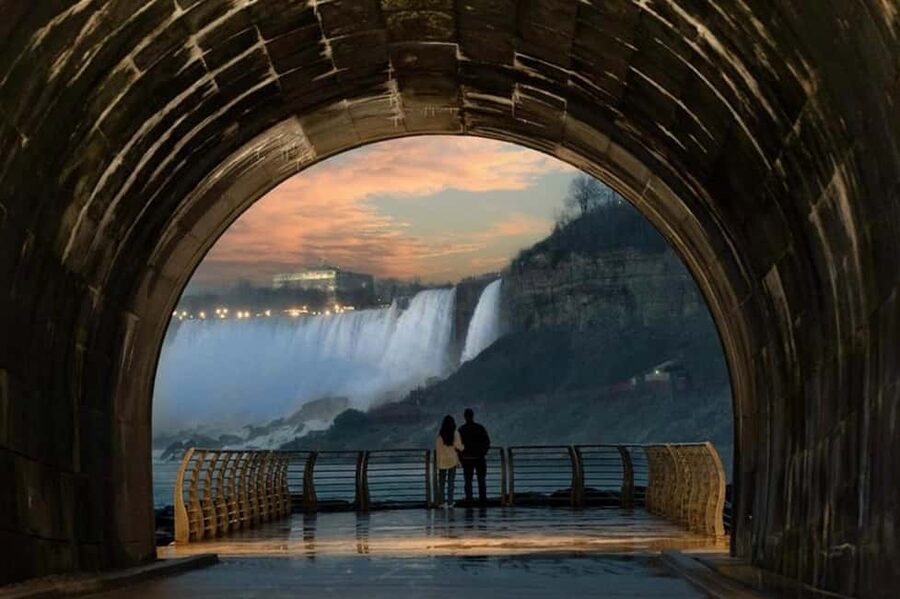
- The tunnel ends at a powerful viewpoint: A 2,200-foot underground passage leads to an observation platform at the river’s edge, looking up toward Horseshoe Falls.
- You get day and night access: Visit the Power Station during daylight, then return after dark for illuminated displays, the falls, and Currents.
- The glass elevator drops 180 feet: This is the quick transition from the old power plant to the Tailrace Tunnel below.
- The railway helps with local sightseeing: The climate-controlled Falls Incline Railway links the Fallsview Tourist Area with Table Rock Centre.
- Plan at least two hours: The tunnel walk to the platform takes about 10 to 15 minutes, and the Power Station deserves time of its own.
- The experience is self-guided: Free audio guides explain the engineering, construction, and tunnel story, but there is no live tour guide included.
Why the Niagara Parks Power Station is worth your time
Niagara Falls is easy to admire and surprisingly easy to misunderstand. You see a huge curtain of water, hear the roar, take a photograph, and move on. The Power Station gives you the missing piece: this was not only a natural wonder, but also a working source of electricity that demanded serious engineering.
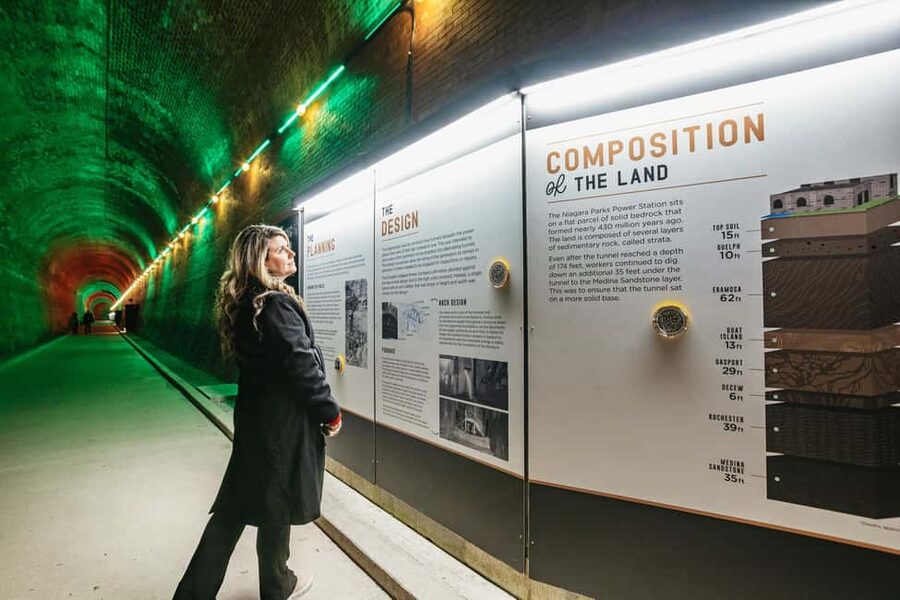
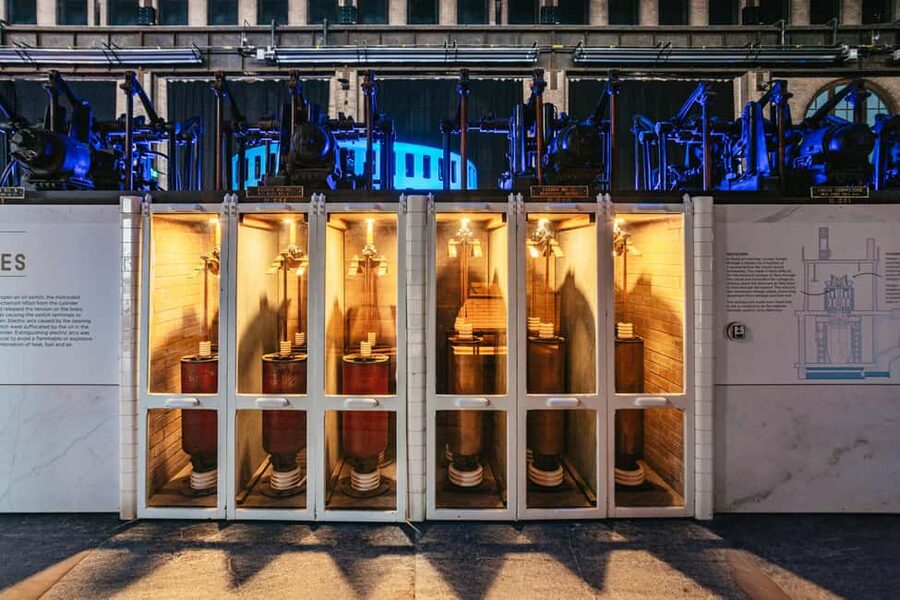
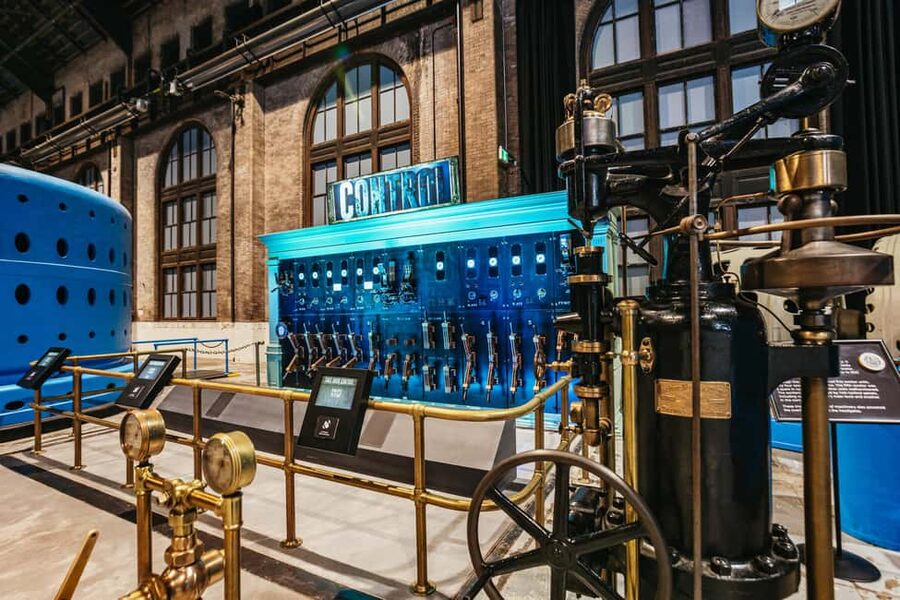
The building was the first major power plant on the Canadian side of the Niagara River. Inside, restored equipment, interactive displays, and audio storytelling explain how water was turned into power. I like this approach because it gives the falls a human and mechanical story without taking away from the spectacle.
The scale matters. You are not simply looking at a few old machines behind glass. The generator hall lets you appreciate the size of the equipment and the work needed to operate a plant built more than 100 years ago. The displays also cover small details, so the visit is not only about grand machinery. You get a sense of the people, tools, and decisions behind the plant.
The self-guided format suits visitors who prefer to set their own pace. You can stop for a longer look at an exhibit, skip material that feels too technical, or move quickly toward the tunnel. The free audio guide adds useful context, especially if you want more than labels on walls.
The tradeoff is clear. There is no guide leading you through the building or answering questions as you go. If you want a story-driven tour with a live host, this may feel quiet. If you like choosing your own route, the lack of a fixed group is a benefit.
A few more Niagara Falls trips worth comparing
- Niagara Falls: Premium Tour, Boat & Journey Behind the Falls
★ 4.8 · 4,207 reviews - Best of Niagara Falls Canada Premium Tour: Behind Falls and Boat
★ 5.0 · 3,139 reviews - Niagara Falls, Canada: Evening Fireworks Cruise
★ 4.6 · 2,335 reviews
Starting inside the historic generator hall
Begin at the Niagara Parks Power Station, at 7005 Niagara Parkway. It is between the Table Rock Welcome Centre and the Floral Showhouse, with parking available in the Falls Parking Lot beside the building.
The daytime visit works best as your first look at the attraction. Give yourself time to understand the layout before heading below ground. The station combines historic artifacts with interactive material, so it is more than a pass-through stop on the way to the falls.
I would pay attention to the engineering story here. The plant represents the practical side of Niagara, the part that turns rushing water into something useful in homes and businesses. That context makes the later tunnel walk more meaningful. You are not just walking under a waterfall. You are following the route where water once played a central role in power production.
The audio guide is complimentary and self-guided. Bring your own headphones only if the attraction provides that option at entry, since the supplied details do not specify the equipment format. The important point is that you can listen at your own pace rather than joining a scheduled narration.
The 180-foot descent to the Tailrace Tunnel
After the Power Station, you descend 180 feet in a glass-paneled elevator. This short ride is one of the clearest transitions in the experience: above you is the former power plant, and below you is the tunnel route leading toward the river.
The elevator also helps explain why the tunnel feels special. This is not a flat corridor beside the falls. You are going down into the structure and then walking toward the water from below the station.
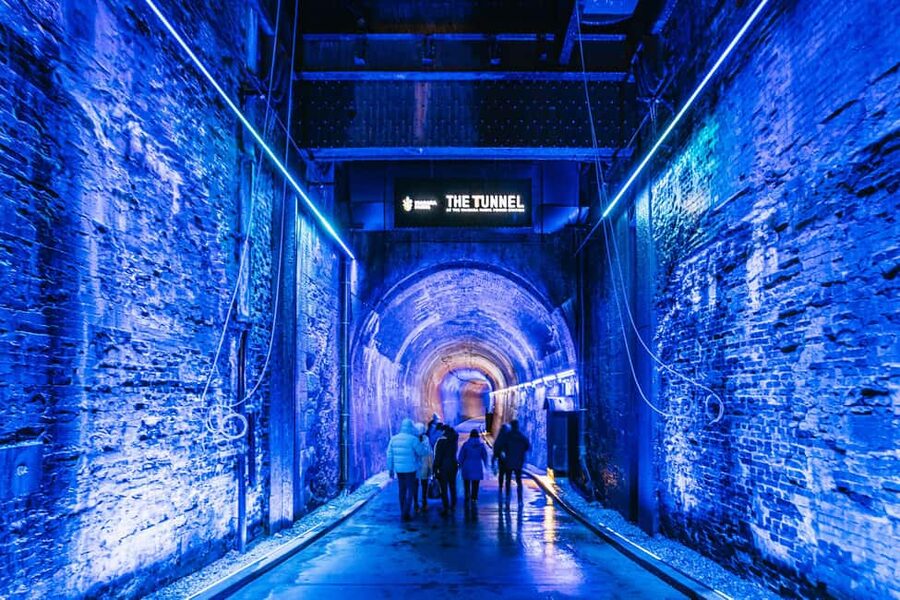
The Tailrace Tunnel runs for about 2,200 feet. It was excavated with lanterns, basic dynamite, pickaxes, and shovels. That construction story adds weight to what could otherwise be a fairly simple underground walk. The passage is an engineering achievement in its own right.
You should expect a walk rather than a guided expedition. The tunnel is self-guided, and it takes about 10 to 15 minutes to reach the observation deck at the far end. That timing refers to reaching the platform, not the whole Power Station and Tunnel visit. Allow around two hours for both, and closer to three if you prefer to read and listen carefully.
The tunnel is likely to be the most memorable part for many people because it changes your angle on Niagara. You are moving away from the familiar roadside viewpoints and toward the river’s edge from inside the old power complex.
The observation deck beneath Horseshoe Falls
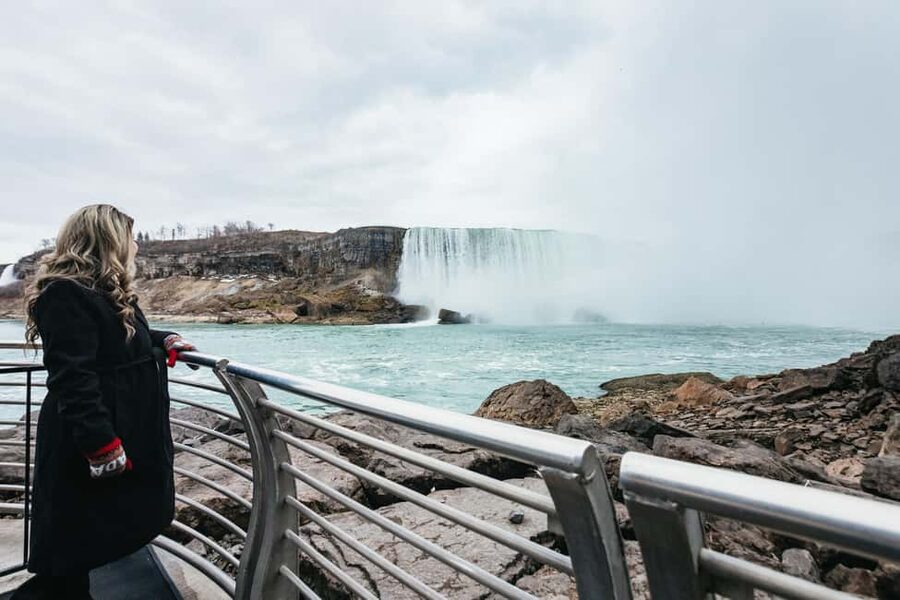
At the end of the tunnel, you step onto an observation deck at the river’s edge. From here, the falls rise above you rather than sitting across a wide stretch of water in the distance.
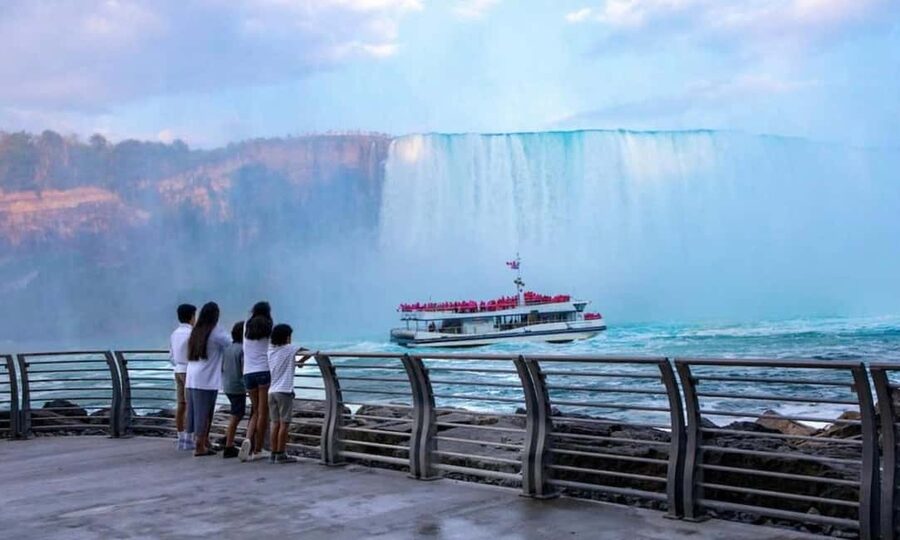
That low viewpoint is the strongest reason to include this attraction in a Niagara itinerary. The platform lets you appreciate the force and scale of the Horseshoe Falls from a different position. You are close to the river, close to the spray, and looking upward at the water as it moves over the brink.
A poncho is provided for the observation deck. That is useful, since the area is close enough to the falls for water spray to be part of the experience. I would still dress for changing conditions, especially outside the warmer months, but no special clothing requirement is given.
The walk is accessible, and the full experience is wheelchair accessible according to the supplied information. The elevator is a key part of the route, so visitors who need step-free access should find the attraction more practical than an old underground site might suggest.
Do not treat the platform as a quick photo stop only. Take a moment to look back toward the tunnel entrance, listen to the water, and compare this view with the more familiar views from above. The angle is the point.
Still Niagara Falls, at a slower pace:
- Niagara Falls, Canada: Skylon Tower Observation Deck Ticket
★ 4.6 · 2,289 reviews - Niagara Falls, Canada: Zipline to The Falls
★ 4.5 · 2,236 reviews - Niagara Falls: Boat Trip & Journey Behind the Falls Tour
★ 4.6 · 1,516 reviews - Niagara Falls: Early Access Boat & Journey Behind the Falls
★ 4.6 · 1,420 reviews
Returning after dark for Niagara’s second act
The Power Pass includes daytime and nighttime admission, which changes the value calculation. You can visit the station during the day, leave for dinner or another attraction, and return after dark during the pass period.
At night, the tunnel and falls are illuminated. The Horseshoe Falls become a lit natural display from the river-edge platform, while the Power Station gains a different mood inside the old generator hall.
The nighttime program also includes Currents, a light and sound show. It runs continuously in the generator hall, so you do not have to build your entire evening around one exact showtime. You can choose when to watch Currents, then spend time with the new lighting displays in the generator hall and tunnel.
That flexible schedule is a real strength. Niagara Falls is often part of a packed evening, and a fixed performance can force awkward timing. Here, you can fit the show around your other plans, subject to the operating schedule on your chosen date.
I would not expect the nighttime visit to replace the daytime visit. The two versions serve different purposes. Daylight is best for seeing the building, machinery, exhibits, and tunnel details. Night adds atmosphere, illumination, and the falls after dark. If you only go once, you miss half of what makes the pass appealing.
Using the Falls Incline Railway
The pass includes the Niagara Parks Falls Incline Railway. This climate-controlled railway connects the Fallsview Tourist Area with Table Rock Centre, making it useful as both transportation and a brief attraction.
The railway runs along an inclined track beside the falls area. As it rises and descends, you get a different vantage point toward Horseshoe Falls. That view is short, but it can save a tiring walk, particularly if you are moving between the main falls area and the Power Station.
Because it is open year-round and climate-controlled, the railway is practical in weather that makes outdoor walking less pleasant. It is also fully accessible. I would use it as part of a larger Niagara Parks route rather than making a separate journey just to ride it.
The ticket includes the railway, but the supplied information does not give a separate ride duration or operating frequency. Check the current schedule when you arrive. The station’s location makes it easy to combine with Table Rock Centre and the Power Station in one sightseeing block.
Is the $26 price a good deal?
At $26 per person, the pass offers solid value if you use the main components: Power Station admission, tunnel access, observation deck, nighttime access, Currents, audio guides, and the Falls Incline Railway.
The strongest value comes from the return visit after dark. Many attraction tickets give you one entry and send you on your way. Here, you can split the day and night experiences, which helps you avoid trying to squeeze every part into one rushed visit.
The price is less convincing if you only want a fast look at the station and tunnel. The full route can take about two hours, but some people may finish sooner. Since the experience is self-guided and food and drinks are not included, budget separately for those needs.
I would also factor in parking. Parking is available beside the Power Station in the Falls Parking Lot, and daily parking passes can include unlimited parking at several Niagara Parks lots. The attraction itself is easy to place into a day at the falls, but parking costs and your overall Niagara budget matter when judging the final value.
Children age two and under enter free with an accompanying adult. That makes the pass a little easier to justify for families with very young children, though the underground walk and nighttime timing may not suit every small child.
Who will enjoy this experience most?
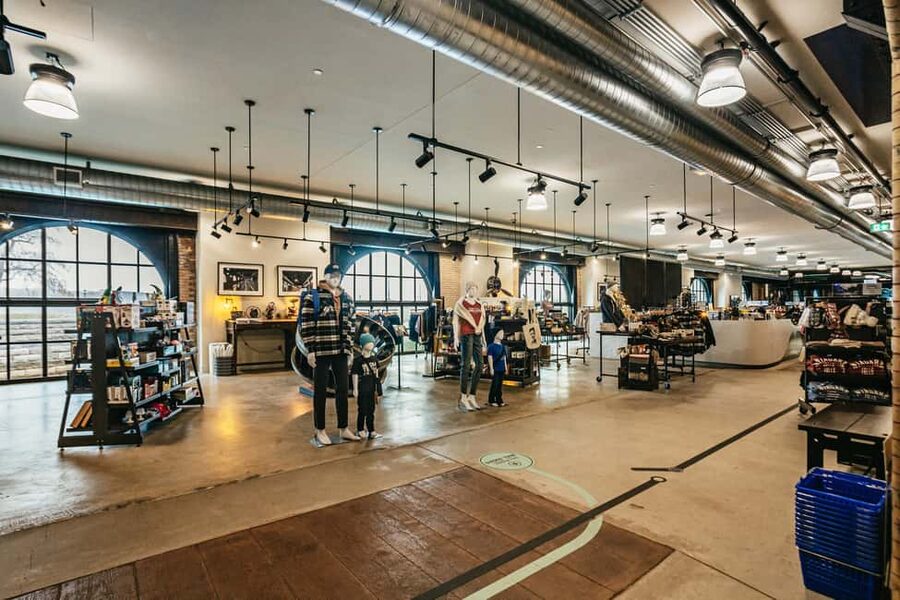
I recommend the pass to anyone who wants more than a standard overlook. It is especially good for visitors interested in engineering, industrial history, and the practical story behind electricity production.
It also suits photographers and sightseers who want a different angle on Horseshoe Falls. The observation deck is the highlight, and the nighttime lighting gives you a second chance to see the same natural wonder in a new setting.
Families can benefit from the mix of moving parts: a glass elevator, underground tunnel, interactive exhibits, railway ride, and light show. The self-guided format also lets you move at a family-friendly pace.
You may want to skip it if your schedule is extremely tight, you dislike underground walks, or you only want a simple outdoor view of the falls. The attraction rewards time. It is not a five-minute add-on.
Practical planning advice for your day
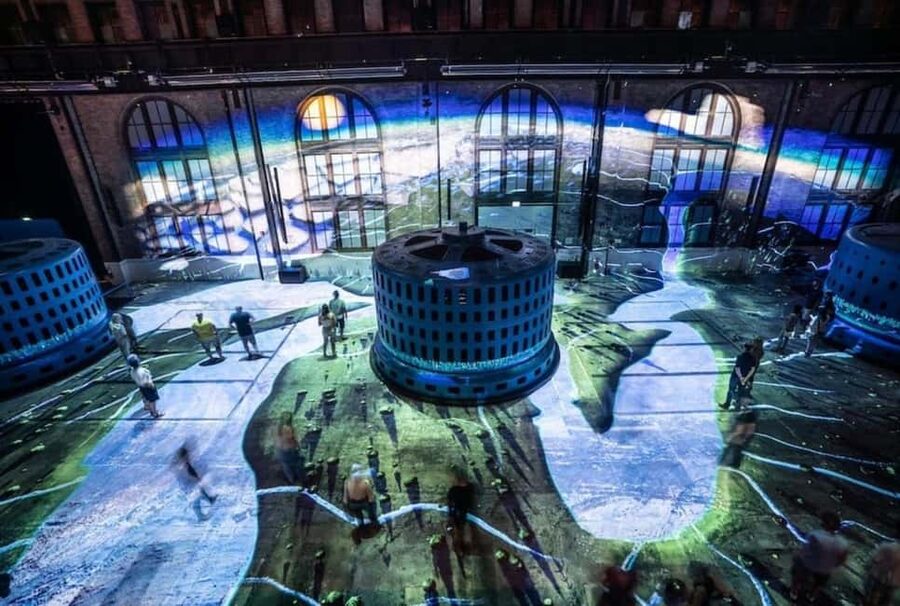
Start with the daytime Power Station visit. This gives you the best chance to understand the exhibits and see the tunnel route without hurrying.
Allow at least two hours for the Power Station and Tunnel. Add more time if you plan to listen to the full audio material, inspect the restored artifacts, and pause at the observation platform.
Return for the nighttime experience if your schedule allows. Currents runs continuously in the generator hall, so you have more control over the order of the evening program. Confirm the available starting times and operating hours for your date, since the pass is valid for one day and schedules can vary.
Wear shoes suitable for a 10 to 15 minute walk through the tunnel. A poncho is supplied at the observation deck, but you should still expect spray and changing temperatures near the river.
The Power Station is on the Canadian side of Niagara Falls. If you are crossing from the United States, allow time for the border crossing and make sure your travel documents meet the requirements for your trip. The attraction itself is open year-round.
Should you book the Power Pass?
Yes, if you can visit both during the day and after dark. The tunnel and river-edge platform are the main reasons to go, while the nighttime lighting and Currents show make the $26 pass easier to justify.
I would be more cautious if you have only a short window or prefer live interpretation. The self-guided format is flexible and informative, but it will not provide a guide walking beside you.
For a fuller Niagara visit, the pass works particularly well with Table Rock Centre, the Fallsview area, and the Incline Railway. Give it two to three hours, use the return access, and you will get far more from it than a quick walk through the generator hall.
FAQ
Where is the Niagara Parks Power Station?
It is at 7005 Niagara Parkway in Niagara Falls, Ontario, between the Table Rock Welcome Centre and the Floral Showhouse.
What does the Power Pass include?
It includes daytime and nighttime admission to the Niagara Parks Power Station, the 2,200-foot tunnel, the observation deck, interactive exhibits, audio guides, the Currents light and sound show, and the Falls Incline Railway.
How long should I allow for the visit?
Plan for about two hours to explore the Power Station and Tunnel. You may want up to three hours if you take your time with the exhibits and audio guide.
How long is the tunnel walk?
The tunnel is about 2,200 feet long. It takes roughly 10 to 15 minutes to walk to the observation deck at the end.
Is the tunnel guided?
No. The tunnel is a self-guided experience. Complimentary audio guides are available for the visit.
Can I visit the Power Station at night?
Yes. The pass includes both daytime and nighttime access during the same one-day period.
What is included in the nighttime experience?
The nighttime visit includes an illuminated tunnel and falls, access to the river-edge observation platform, and the Currents light and sound show in the generator hall.
Is the Falls Incline Railway included?
Yes. The pass includes the climate-controlled, fully accessible Falls Incline Railway, which links the Fallsview Tourist Area with Table Rock Centre.
Is the attraction wheelchair accessible?
Yes, the experience is listed as wheelchair accessible. The Falls Incline Railway is also fully accessible.
Are food and drinks included?
No. Food and drinks are not included in the pass.
Are young children charged admission?
Children age two and under are free when accompanied by an adult.
Can I park near the Power Station?
Yes. Parking is available beside the Niagara Parks Power Station in the Falls Parking Lot. Daily parking passes may also provide unlimited parking at several Niagara Parks lots.
Just added around Niagara Falls
- Wine Tour in Niagara-on-the-Lake★ 5.0 · 41 reviews
- Wine Tour with Lunch in Niagara-on-the-Lake★ 5.0 · 25 reviews
- Wine, Cheese, Chocolate 6 Hour Tasting Tour with Lunch★ 5.0 · 45 reviews
- Whirlpool Adventure Course – Classic Course★ 4.0 · 8 reviews
- Walking Food Tour in Niagara Falls★ 5.0 · 6 reviews
- VIP “Adult Only” Tour Package includes the Boat to the Falls★ 5.0 · 8 reviews
- Vine and Dine Bicycle Wine Tour with Lunch★ 4.5 · 103 reviews
- myWineCountry Experience Premium Wine Tours and Tastings★ 5.0 · 88 reviews
Train Experiences, compared.
Bicyle Tour on Historical Kettle Valley Railway from Myra Canyon to Penticton
Read our review →
Guided Bike Tour on Historical Kettle Valley Railway at Myra Canyon & Wine Tour
Read our review →
6-Day Rocky Mountaineer Train Tour, From Vancouver to Rockies
Read our review →
5-Day Rocky Mountaineer Train Tour, From Vancouver to Rockies
Read our review →
Browse the lists this tour appears in