
Reviewed · MAPLE SYRUP EXPERIENCES
Montreal: Maple syrup tasting and conference. In english!
Maple syrup gets the full sweet treatment here. This 75-minute visit to the kitchen of Domaine des 15 lots combines a friendly talk, ten maple products, Quebec pastries, and the chance to make maple taffy on snow. I like the small group of six, which gives the session an intimate, easygoing feel. I also like that the host comes from a family sugar farm, so the talk connects the food on your plate with real production work.
The main thing to consider is the sugar load. You will taste syrup, butter, jelly, loaf, pastries, and maple taffy in one sitting. People with diabetes should not book, and children under six are not permitted. For everyone else, this is a focused food lesson, not a quick sample at a shop.
In This Review
- Key points to know before you book
- Arriving at Domaine des 15 lots
- The first lesson: from maple water to syrup
- Tasting four different maple syrups
- Ten products, including butter, jelly, and maple loaf
- Making maple taffy on snow
- Quebec pastries make the tasting feel local
- Why the small group improves the visit
- Is $21 a fair price?
- Who should book this maple experience?
- Final verdict: a sweet lesson with real local character
- FAQ
- How long does the maple syrup experience last?
- What language is the presentation in?
- How many maple products will I taste?
- Is maple taffy included?
- Where does the experience meet?
- Who should not book this activity?
Key points to know before you book
- Four kinds of maple syrup: You taste four different styles and learn how they differ in color, flavor, and use.
- Ten maple products: The tasting goes beyond syrup, with butter, jelly, maple loaf, pastries, sugar, and other treats.
- Maple taffy on snow: You help make and eat a classic Quebec spring candy.
- Family-farm perspective: The host has direct ties to a sugar farm and explains the work from collecting sap to selling the finished syrup.
- English small-group setting: The presentation lasts 75 minutes, with no more than six people and a live English-speaking guide.
- Good souvenir stop: The pastry shop sells many of the maple products you taste, making it easy to choose something to take home.
Arriving at Domaine des 15 lots
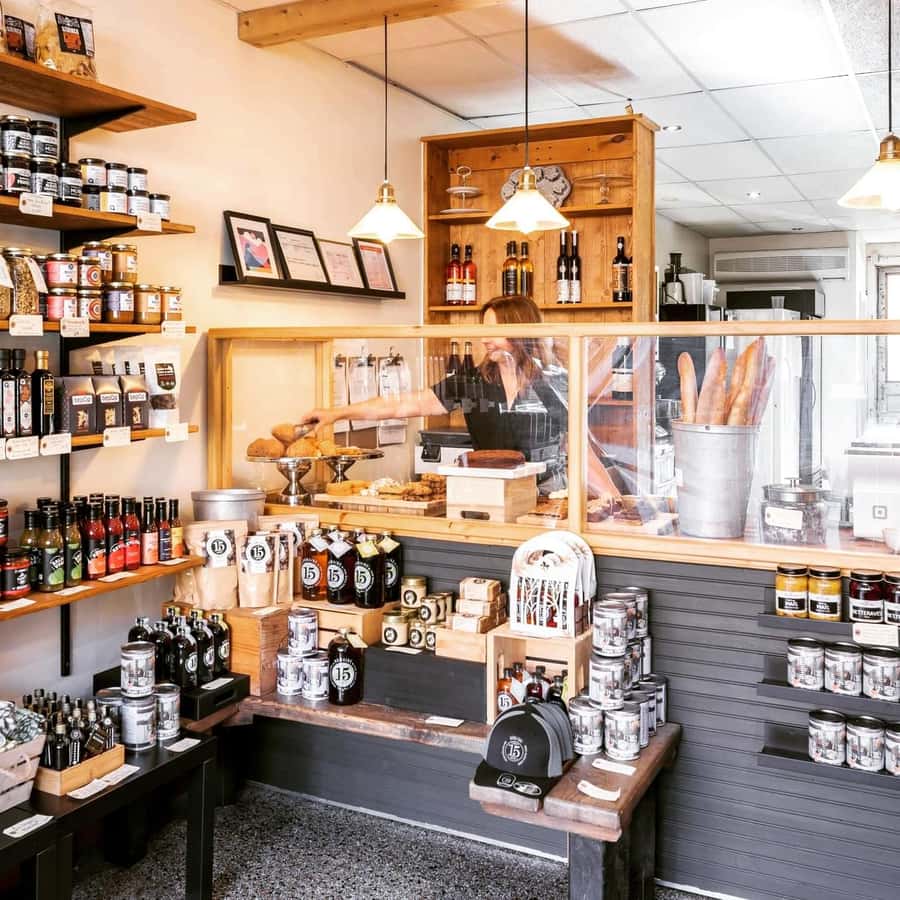
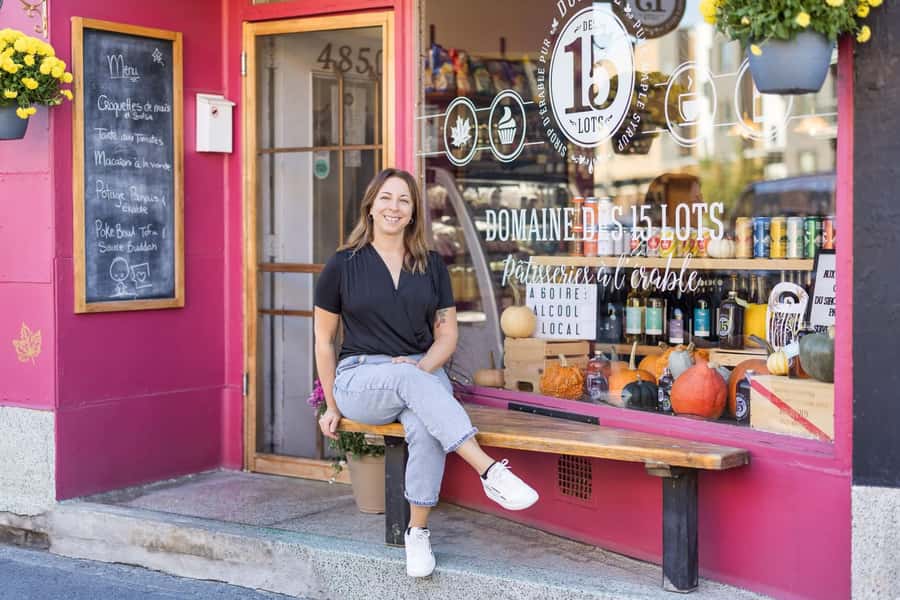
The meeting point is Domaine des 15 lots, at the pastry shop. The event takes place in the shop’s kitchen rather than on a large commercial farm, so you should expect a close, indoor presentation centered on food, conversation, and demonstration.
That setting matters. You are not simply standing at a counter while someone pours syrup into tiny cups. You sit within the working world of a pastry business and hear how maple products move from the sugar farm into cooking and baking. A hot coffee or tea helps settle you in before the tasting begins.
The group limit is six people. I consider that one of the strongest features for the price. A small group makes it easier to ask about farming, grading, recipes, or buying products. It also keeps the event from feeling like a sales talk delivered to a crowd.
The host, Nathalie, is repeatedly praised for her warm welcome and clear explanations. She owns or co-owns a maple farm, giving her a practical connection to the subject. That personal link is useful because maple syrup can seem simple until you start asking how sap is collected, concentrated, classified, stored, and sold.
More Food and Drink Tours in Montreal
- Montreal Mile End Authentic Food Tour with 7 Delicacies Tastings
★ 5.0 · 2,598 reviews - The Only Locally Owned Non-Touristy Food Tour by Spade & Palacio
★ 5.0 · 701 reviews - Old Montreal Guided Food Tour with 8+ Local Delicacies Tastings
★ 5.0 · 461 reviews
The first lesson: from maple water to syrup
The talk begins with the origin of maple syrup and the basic harvesting process. You learn about maple water, the liquid collected from trees, and the steps needed to turn it into the syrup served at breakfast tables around the world.
The wording is important here. Maple syrup does not come straight from the tree in its finished form. The session explains how the raw liquid is harvested and processed, along with the work involved in bringing it to market. You also learn about the syrup industry in Quebec and the place maple products hold in regional food culture.
I like this part because it gives the tasting a reason. Instead of treating syrup as one generic sweetener, you begin to understand it as an agricultural product shaped by timing, technique, storage, and production choices.
The talk also covers culinary uses. That means you are not limited to the familiar pairing of syrup with pancakes. The host connects maple with butter, jelly, baked goods, candy, and pastries. If you enjoy cooking, this section helps you think about maple as an ingredient with different jobs, not just something to pour over breakfast.
The presentation is in English. That is especially helpful for anyone who wants the farming explanation rather than only a quick tasting. The guide is live, so you can ask questions during the session instead of relying on a recorded presentation.
Tasting four different maple syrups
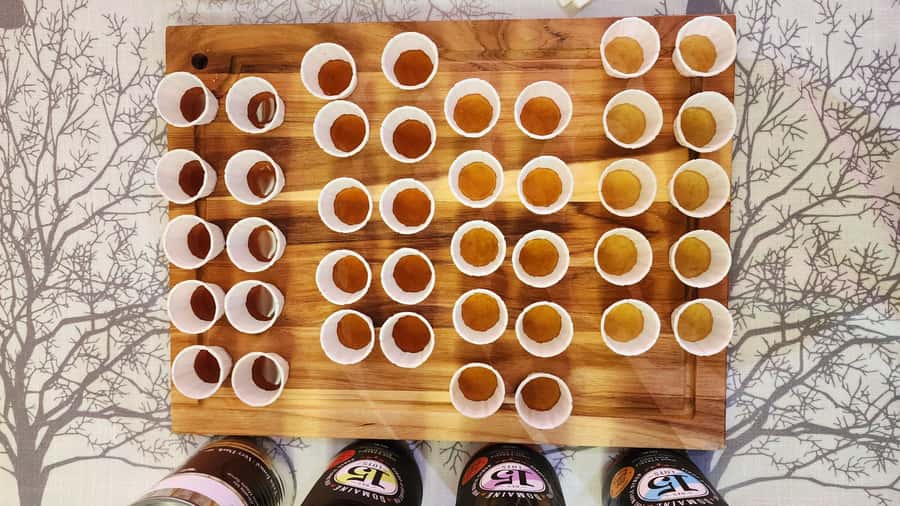
The tasting includes four kinds of maple syrup. This is the heart of the session, and it gives you a chance to compare rather than simply sample.
The exact names and grading details of the four syrups are not specified in the booking information, so you should not expect a fixed published tasting menu. The point is to notice differences between the samples and listen to the host explain what sets them apart.
You may find differences in color, strength, sweetness, and finish. Some syrups can work well as a direct topping, while others may be better suited to baking or cooking. The talk places those differences in context, helping you understand why maple syrup is sold in more than one style.
A useful tip is to pace yourself. Take small tastes and pay attention before moving on. You have several other products ahead, and rushing through the syrup alone could make the flavors blur together.
This is also where the $21 price begins to make sense. You are not paying only for four spoonfuls of syrup. You are paying for guided comparison, an explanation of production, a hot drink, and access to products you may not otherwise know how to compare.
Ten products, including butter, jelly, and maple loaf
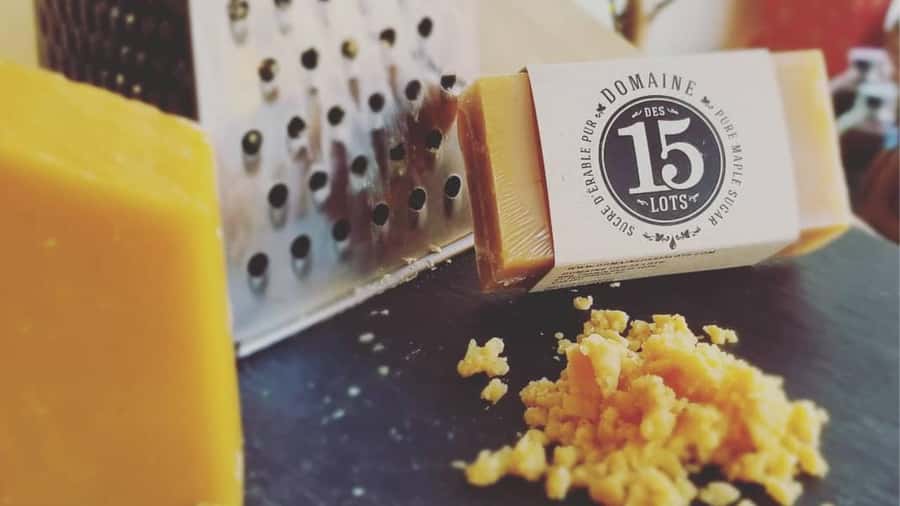
The full tasting includes ten different maple products. Alongside the syrups, you sample maple butter, maple loaf, jelly, sugar, and several pastries. Some products come from the family sugar farm, while others come from nearby friends’ farms.
That mix adds interest. You are not tasting one producer’s entire catalog in isolation. You get a look at different ways maple is used and presented, even though the precise lineup can vary.
Maple butter is a good example of why this session works better than a standard syrup stop. It shows how the flavor changes when the product is made into a spread. Jelly offers another texture and use, while maple loaf brings the ingredient into pastry. The pastries connect the farm product to Quebec baking traditions.
The tasting also has a practical souvenir angle. Many of the products are sold in the shop, so you can buy a favorite after sampling it first. That is far more useful than purchasing a large bottle of an unfamiliar syrup and hoping you like it later.
I would keep some room in your bag for purchases, but I would not assume that every item tasted will be available in exactly the same form. The information confirms that the shop sells many maple products, not that every sample is always stocked.
More maple syrup experiences near Montreal:
- Montreal: Maple syrup talk and tasting! In French!
★ 5.0 · 103 reviews - Montreal: Maple Syrup Tour with Sugar Shack & Local Cuisine
★ 4.1 · 25 reviews - Sugar Shack (Feb to May) Maple Syrup Private Day Tour with lunch from Montreal
★ 5.0 · 8 reviews - Montreal: Sugar Shack Maple Syrup Day Trip with Lunch
★ 4.6 · 5 reviews
Making maple taffy on snow
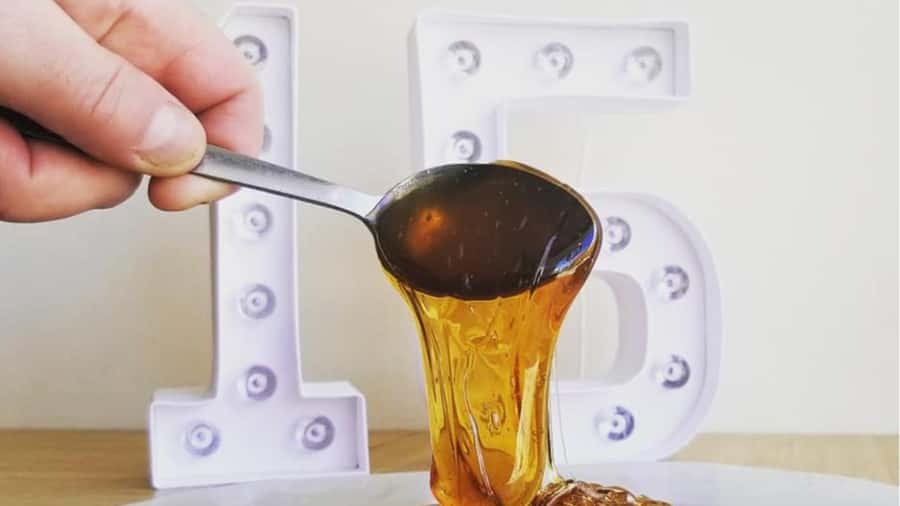
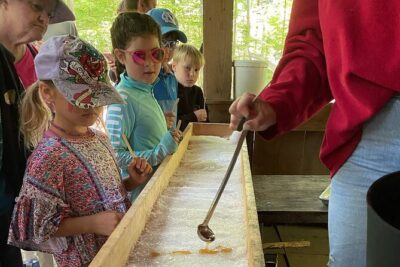
The maple taffy demonstration is the most playful part of the visit. You participate in making and eating maple taffy on snow, a traditional springtime candy in Quebec.
The method turns hot maple syrup into a chewy treat when it meets snow. You get to see the texture change and then enjoy the result. It is a simple activity, but it gives you something to do with your hands rather than only listening and tasting.
This is also the moment that connects the session to the season when maple syrup is traditionally harvested. The experience is offered beyond spring, but the taffy keeps that seasonal tradition at the center of the event.
I especially like this part for families with older children, couples, and anyone who prefers food activities with a small hands-on element. Still, children under six are not allowed, and the experience is not suitable for people with diabetes. The taffy is fun, but it is still concentrated sugar on top of an already sweet tasting.
Quebec pastries make the tasting feel local
The pastries give the event a stronger regional character. You sample traditional Quebecois baked goods rather than tasting maple only in liquid form.
The supplied information does not name each pastry, so I would not book expecting a particular dessert. Instead, think of the pastries as a changing selection that shows how Quebec baking uses maple in doughs, fillings, toppings, and sweet spreads.
This part is valuable because it moves the session beyond product education. You see how maple fits into everyday food culture. A bottle of syrup is easy to carry home, but pastries show why the ingredient matters at the table.
The host’s pastry-shop setting also makes the samples feel connected to the place. You are tasting products in a kitchen where baking is part of the business, not just looking at packaged goods on a shelf.
The warning about sweetness is fair. The tasting includes enough variety that you may find it less sugary than expected, especially because syrup, butter, jelly, candy, and pastry have different textures and levels of intensity. Even so, I would avoid scheduling another major dessert stop immediately afterward.
Why the small group improves the visit
A six-person maximum is a real advantage. Maple production involves plenty of questions, from how sap is gathered to how syrup reaches the market. In a large group, much of that detail would be lost. Here, you have a better chance to ask about farming, products, and cooking.
The host’s manner is another strong point. Nathalie is described as patient, charming, passionate, and welcoming. Those qualities matter in a tasting because the event depends on conversation. A cold or rushed presentation would make the same ten samples feel ordinary.
The shop atmosphere is warm and personal. You should expect a family-business approach, not a polished corporate food attraction. That can mean the session feels more human, though it also means you should allow the host to guide the pace rather than expecting a rigid show with timed stations.
The 75-minute length is well judged. It is long enough to explain the production process and taste a broad range of products, but short enough to fit into a day of sightseeing. You get a focused activity without giving up half a day.
Is $21 a fair price?
At $21 per person, I consider this a strong value for anyone who likes food, regional traditions, or small-group activities. The price includes a 75-minute English presentation, a hot coffee or tea, four syrups, ten maple products, pastries, and maple taffy.
The value depends on what you want from a food experience. If you only want to taste syrup, you can find cheaper samples in many shops. If you want to understand how syrup is harvested, compare several kinds, taste it in different forms, and ask questions of someone tied to a family sugar farm, the price is much easier to justify.
The souvenirs add to the value. You can taste before buying and avoid guessing. For a food gift, maple butter, jelly, syrup, sugar, or a packaged pastry may be more interesting than a generic tourist item.
I would not choose this activity for someone who dislikes sweets or wants a broad tour of Montreal. It is tightly focused on maple and pastry. That focus is its strength, but it also limits the range.
Who should book this maple experience?
I would recommend it to:
- First-time visitors who want a distinctly Quebec food tradition
- Couples looking for a relaxed indoor activity
- Small groups who enjoy asking questions
- Home cooks interested in maple as an ingredient
- Anyone seeking edible souvenirs
- Older children who can manage a 75-minute talk and tasting
I would be more cautious if you have dietary restrictions that are not addressed in the information provided. The experience is built around maple products and pastries, so you should confirm your needs before booking if you have allergies or other food concerns.
People with diabetes should not book. Children under six are not suitable for this activity. The session is also a poor choice if you are trying to limit sugar during your trip.
You can cancel up to 24 hours before the start for a full refund, and the reserve-now, pay-later option gives you some flexibility. Starting times vary, so check availability before building the rest of your day around it.
Final verdict: a sweet lesson with real local character
I would book this experience if I wanted a personal introduction to Quebec maple culture without committing to a full countryside excursion. The combination of farm knowledge, pastry-shop setting, small-group conversation, and hands-on taffy makes it more memorable than a simple syrup tasting.
The best reasons to go are Nathalie’s friendly hosting, the direct connection to a family sugar farm, and the chance to compare ten products instead of buying blindly. The main limitation is clear: this is a very sweet 75 minutes, and the experience stays firmly on that theme.
Book it if you want food with a story and a few good souvenirs to take home. Skip it if you dislike sweets, need a wider Montreal sightseeing program, or cannot eat maple-based products.
FAQ
How long does the maple syrup experience last?
The experience lasts 75 minutes, or one hour and 15 minutes.
What language is the presentation in?
The live tour guide and presentation are in English.
How many maple products will I taste?
You will taste ten different maple products, including four types of maple syrup, maple butter, maple loaf, jelly, pastries, and other maple treats.
Is maple taffy included?
Yes. You participate in making and eating maple taffy on snow, a traditional Quebec springtime candy.
Where does the experience meet?
The meeting point is Domaine des 15 lots, at the pastry shop.
Who should not book this activity?
Children under six are not permitted, and the experience is not suitable for people with diabetes.
Just added around Montreal
- Full Day Family Bike Rental★ 5.0 · 17 reviews
- Montréal Downtown and Underground City Private Walking Tour★ 5.0 · 47 reviews
- Winter Express: Old Montreal Highlights Walking Tour★ 5.0 · 119 reviews
- Montreal Premium Driving Tour with River Cruise and Notre Dame★ 4.5 · 164 reviews
- Under the Surface of Montreal’s Chinatown: Guided Food Walking Tour★ 5.0 · 23 reviews
- The Ultimate Montreal Boat Tour – Fall Colors Apéro Edition★ 4.5 · 31 reviews
- In the Shadow of the Mountain: Montreal Jewish History Walking Tour★ 4.5 · 33 reviews
- Toronto, Niagara Falls & Thousand Islands VIP 2–Day Trip★ 5.0 · 20 reviews
Maple Syrup Experiences, compared.

Niagara Falls Bus Tour with Maple Tasting and NOTL
Read our review →
Niagara Falls Canada Tour, Boat, Skylon Tower & Maple Tasting
Read our review →

Toronto Maple Leafs Game Ticket at Scotiabank Arena
Read our review →
Maple Syrup Tour with Sugar Shack & Local Cuisine
Read our review →
Niagara Falls with Maple & Wine from Toronto. Local Experience
Read our review →Browse the lists this tour appears in