
Reviewed · HISTORICAL TOURS
Mi’kmaq Heritage Path Tour
Start with a welcome that means something. The Mi’kmaq Heritage Path Tour in Elsipogtog First Nation offers a thoughtful introduction to local culture through a traditional greeting, smudging ceremony, forest walk, historic structures, and open conversation. I like the personal cultural welcome and the chance to enter an authentic wigwam, longhouse, and sweatlodge. I also like that the tour ends with time for questions rather than rushing you out the door. The main consideration is that this is a small, reflective experience, not a fast-moving sightseeing trip, and the tour requires suitable weather.
The tour lasts about two hours and is offered in English. It begins and ends at 29 Big Cove Rd in Elsipogtog First Nation, New Brunswick. The group is limited to 25 people, which should make it easier to hear the interpretive knowledge keeper and take part in the discussion. All fees and taxes are included, although the exact price is not provided here.
In This Review
- Key points to know before you go
- Why this two-hour visit is different
- Entering the raised teepee for the opening ceremony
- Walking the Heritage Path through the forest
- Stepping inside the wigwam, longhouse, and sweatlodge
- Finishing at the Cultural Center
- Group size, timing, and practical value
- What the high rating means for your decision
- Who should book the Heritage Path Tour?
- Cancellation and booking details
- FAQ
- Where does the Mi’kmaq Heritage Path Tour begin?
- Where does the tour end?
- How long does the tour last?
- What language is the tour offered in?
- What happens during the tour?
- Is food included?
- How many people can join the tour?
- Can I cancel for a refund?
- Should you book it?
Key points to know before you go
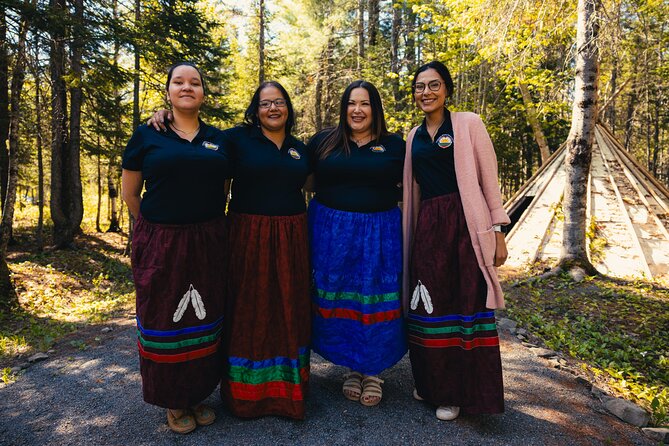
- A traditional welcome begins the visit: You enter a raised teepee for a smudging ceremony and an introduction to Mi’kmaq customs.
- The Heritage Path uses the forest as a classroom: You learn about traditional uses of plants, medicines, and other gifts from Mother Nature.
- Three hand-built structures add a physical sense of the past: The wigwam, longhouse, and sweatlodge let you step inside spaces connected with ancestral life.
- The Cultural Center is built into the experience: You have time to ask questions and sort out what you have seen.
- A small group keeps the visit personal: The maximum group size is 25 people, rather than a large coach tour.
- A traditional snack comes near the end: Freshly baked bread has been praised as part of the welcome.
Why this two-hour visit is different
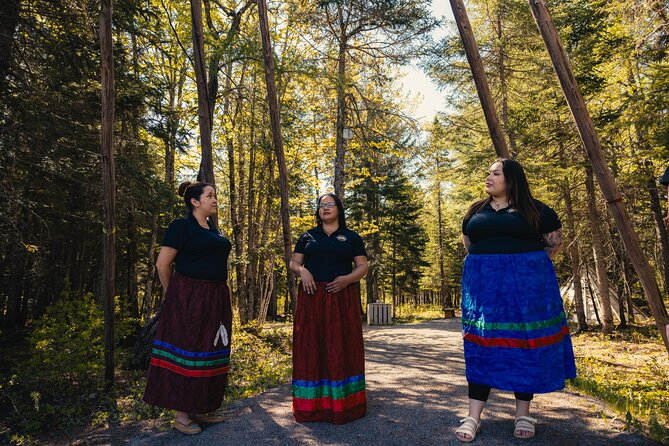
Many cultural attractions give you a display case, a few signs, and a quick walk through a gift shop. This visit takes another route. You begin with ceremony, continue through the forest, enter traditional structures, and finish with conversation at the Cultural Center.
That order matters. You are not simply told a list of facts. The experience moves from welcome, to place, to material culture, and then to questions. For me, that makes the visit easier to understand and remember.
The tour takes place in Elsipogtog First Nation, so the setting is part of the subject. You are not learning about Mi’kmaq culture in a detached museum room. You are visiting a community cultural center and walking a path designed to connect traditional ways with present-day life.
The tone is likely to suit you if you prefer a calm, personal introduction. It may not suit you if you want a packed schedule, dramatic entertainment, or a long list of monuments. This is a cultural conversation with a walk attached to it, not a theme-park performance.
More History Tours in New Brunswick:
- Pete’s Historic Walking Tour
★ 5.0 · 321 reviews - Admission 1 person – Visit of the Acadian Historic Village
★ 4.5 · 40 reviews - Saint John Highlights & History Cycling Tour
★ 5.0 · 18 reviews
Entering the raised teepee for the opening ceremony
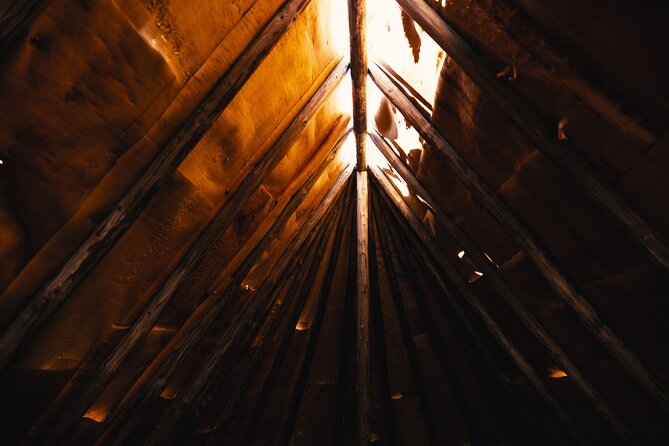
The visit starts with a traditional greeting before you enter the community’s raised teepee. Inside, a smudging ceremony provides the first formal connection to Mi’kmaq cultural practice.
The ceremony is followed by teachings about customs and cultural ways. This opening is important because it gives the rest of the tour a frame. You begin by listening and preparing for the experience, rather than treating the forest path as an ordinary nature walk.
If you have never taken part in a smudging ceremony, you may have questions about what to do. The best approach is simple: pay attention to the guide, follow the instructions, and treat the moment with respect. You do not need to arrive with special background knowledge.
The raised teepee also gives the visit a clear sense of place. It is not just a meeting point where someone checks your booking. It is the room where the cultural introduction begins, and that makes the first few minutes feel purposeful.
The opening can also be the most unfamiliar part of the tour for some people. If you are used to sightseeing that starts with photographs and quick facts, the ceremony asks you to slow down. That is a benefit for many people, but it requires an open and respectful attitude.
Walking the Heritage Path through the forest
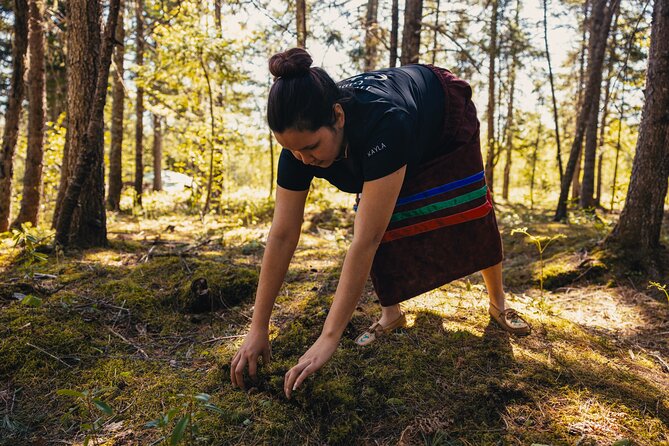
After the opening, an interpretive knowledge keeper leads you along the natural, forested Heritage Path. The focus is on traditional and time-honored ways of using plants, medicines, and other gifts from Mother Nature.
This part gives you a practical way to think about culture. Instead of hearing only about dates or political events, you learn how the natural world connects with personal well-being and community life. The path helps show that traditional knowledge is not separate from everyday needs.
The exact length and difficulty of the walk are not specified, so you should plan for an outdoor portion without assuming a strenuous hike. The tour description says most people can participate, but sensible footwear and clothing for a forest setting are still a good idea.
Weather matters. The activity requires good weather, so rain or other poor conditions can lead to a different date or a full refund. That rule is worth remembering when planning a tight New Brunswick schedule. A flexible day gives you a better chance of enjoying the path as intended.
The forest setting also changes with the season. Plants, ground conditions, and general comfort may vary, even though the central teachings remain the same. You are there to learn how nature has been used and understood, not to collect a checklist of every plant along the path.
I like this section because it connects the community’s cultural teachings to something you can see around you. The path is not decoration between indoor stops. It is one of the main teaching spaces.
Stepping inside the wigwam, longhouse, and sweatlodge

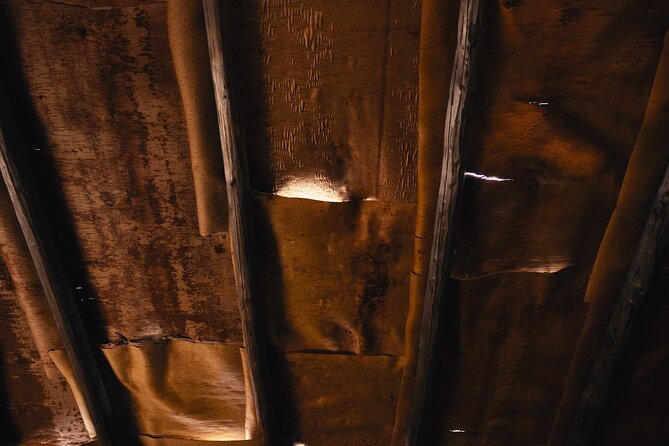
The tour includes three traditionally constructed structures: a wigwam, a longhouse, and a sweatlodge. These were made locally by an elder and knowledge keeper, and you can step inside them.
This is where abstract information becomes easier to grasp. A paragraph about ancestral housing can only take you so far. Standing inside a structure gives you a better sense of scale, shelter, materials, and how different spaces might have been used.
The wigwam and longhouse offer a physical link to ancestral ways of life. The sweatlodge adds another kind of context, though the supplied details do not say that a sweatlodge ceremony takes place during this visit. You should expect to see and enter the structure as part of the interpretation, not assume that you will take part in a ceremony there.
That distinction is useful. Cultural spaces should be approached with respect, and the guide will direct the visit. You are there to learn, not to handle objects or act out a tradition.
These structures are described as authentically constructed, which gives the stop more weight than a generic replica at a roadside attraction. Their local construction also connects the buildings to living community knowledge rather than presenting them as frozen remnants of the past.
The structures are one of the strongest reasons to choose this tour. They give families and first-time visitors something concrete to talk about afterward. Younger children may especially respond to the chance to enter the buildings, though the tour’s tone remains educational and respectful.
A few more New Brunswick trips worth comparing
- Bay of Fundy Tour by Bus
★ 4.0 · 211 reviews - Go Fundy Tours
★ 5.0 · 171 reviews - Fundy Coast to Fundy Shore Tour
★ 4.0 · 82 reviews - From Saint John: Bay of Fundy Bus Trip for Cruise Passengers
★ 4.4 · 76 reviews
Finishing at the Cultural Center

The final section takes place at the Cultural Center, where you can ask questions about Mi’kmaq culture and life in Elsipogtog. This open question period is a valuable part of the visit, especially if the ceremony or forest teachings raise points you do not fully understand.
A question period also helps avoid the common problem of leaving a cultural attraction with half-formed impressions. You can ask for clarification, connect the earlier stops, and learn more about how past traditions relate to present-day life.
I recommend saving at least one question as you go. You might wonder about a plant mentioned on the path, the purpose of a structure, or how a custom is understood today. You do not need to prepare a long list, but arriving curious will make the final conversation more useful.
The Cultural Center also provides a more comfortable closing point than ending outdoors immediately after the forest walk. It gives the tour a clear finish and a place to gather your thoughts. The activity ends back at the original meeting point, so you do not need to arrange a separate pickup.
A traditional snack is served near the end. Freshly baked bread has been praised as a particularly enjoyable part of the welcome, along with the warm manner of the guide and assistant. Snacks are not included in the formal inclusions, so you should think of this as part of the hosted experience rather than a meal.
Group size, timing, and practical value
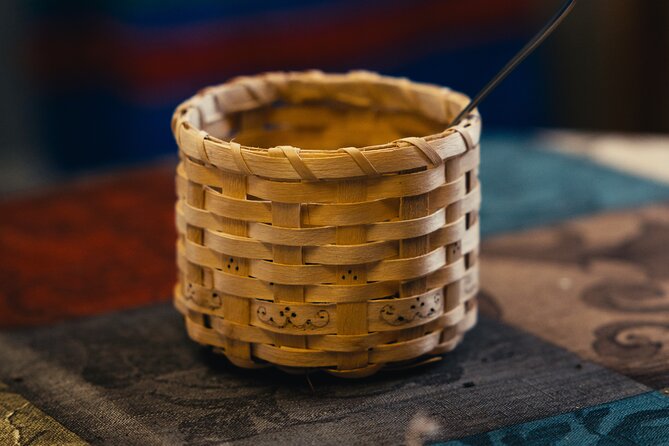
The maximum group size is 25 people. That is not a private tour, but it is small enough to keep the setting more personal than a large bus group. A smaller group should also make it easier to hear the guide and participate in questions.
The full visit takes approximately two hours. That is long enough to include several distinct parts without taking an entire day from your New Brunswick plans. You can pair it with other activities in the region, but allow a little breathing room around the scheduled start and finish.
The meeting point is 29 Big Cove Rd, Elsipogtog First Nation, New Brunswick, postal code E4W 2S1. The tour does not list transportation from another town, so you need to make your own way to the meeting point.
Mobile tickets make arrival simple. Confirmation is provided at booking, and English is the listed language. Service animals are allowed, and most people can participate.
No price is supplied in the available details, so I cannot judge whether the tour is inexpensive compared with other local activities. The value comes from the amount packed into two hours: a ceremony, interpretation, a forest path, three structures, a Cultural Center conversation, and a traditional snack. All fees and taxes are included, which helps avoid surprises at arrival.
For me, the strongest value is the direct setting and the chance to ask questions. If you only want a quick photo stop, you may find the visit too slow. If you want a grounded cultural introduction led within the community, the format makes good use of your time.
What the high rating means for your decision
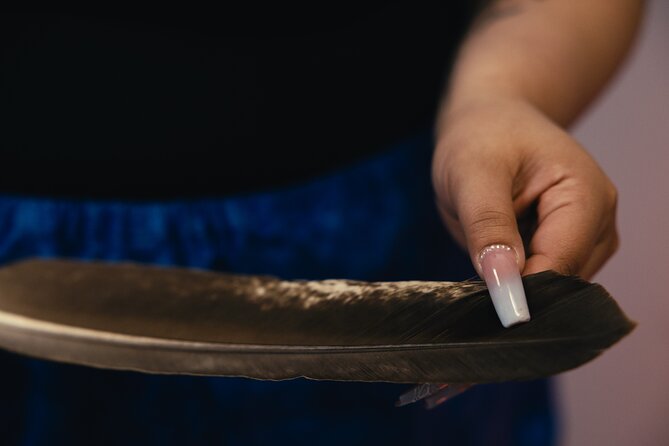
The experience has a 4.8 rating from 23 submitted ratings, with 96 percent of people recommending it. That is a strong result, though the sample is not large enough to treat it as a guarantee for every visitor.
The most praised qualities are clear: a warm welcome, useful information about Mi’kmaq people and culture, a kind guide and assistant, and a freshly baked snack. Those details suggest that the human side of the visit is just as important as the buildings and forest path.
You should expect the tone to be friendly rather than formal. The guide’s role is not only to explain facts, but also to help you feel comfortable asking questions. That matters during a cultural visit, where you may want context before drawing conclusions.
The tour is also a good choice if you want something more meaningful than a standard sightseeing stop. It does not try to cover every part of Mi’kmaq history in two hours. Instead, it uses a few well-chosen settings to introduce customs, relationships with nature, traditional structures, and present-day community life.
The limitation is the same as the attraction’s strength. Because the tour focuses on a specific path and community center, it is not a full survey of Mi’kmaq culture across New Brunswick. You should book it as an introduction, not as the final word on a complex living culture.
Who should book the Heritage Path Tour?
I would recommend this experience to first-time visitors who want a respectful introduction to Mi’kmaq culture. It is also a strong fit for families, school-age children, couples, and anyone who prefers local interpretation to a standard commercial attraction.
It should suit you if you enjoy learning through conversation and place. The ceremony, forest walk, and structures give you different ways to engage, so the tour is not dependent on sitting through a long lecture.
You may want to choose another activity if you have limited mobility that makes a forest path difficult, since the tour includes an outdoor section and no detailed accessibility information is provided. Service animals are allowed, and most people can participate, but you should contact the provider if you have specific needs.
It may also be a poor match if you dislike weather-dependent plans. The tour can be changed or canceled in poor weather, and the provider requires a minimum number of participants. If cancellation occurs for either reason, you are offered another date or experience, or a full refund.
Cancellation and booking details
You can cancel up to 24 hours before the start time for a full refund. Cancellations made less than 24 hours in advance are not refunded, and changes within that period are not accepted.
The cut-off follows local time in New Brunswick. Keep that in mind if you are arranging the tour from another time zone.
Booking confirmation is provided at the time of booking. The activity is offered in English, uses a mobile ticket, and returns you to the starting point at the end.
FAQ
Where does the Mi’kmaq Heritage Path Tour begin?
The tour begins at 29 Big Cove Rd, Elsipogtog First Nation, New Brunswick, E4W 2S1, Canada.
Where does the tour end?
The activity ends back at the original meeting point.
How long does the tour last?
The tour lasts approximately two hours.
What language is the tour offered in?
The tour is offered in English.
What happens during the tour?
You take part in a traditional greeting and smudging ceremony, walk the forested Heritage Path, learn about traditional uses of nature and medicines, enter a wigwam, longhouse, and sweatlodge, and finish at the Cultural Center with time for questions.
Is food included?
A traditional snack is served near the end of the tour. Snacks are not listed among the formal inclusions.
How many people can join the tour?
The maximum group size is 25 people.
Can I cancel for a refund?
You can cancel at least 24 hours before the start time for a full refund. If poor weather or an insufficient minimum number of participants causes the provider to cancel, you are offered another date or experience, or a full refund.
Should you book it?
Book the Mi’kmaq Heritage Path Tour if you want a focused, community-based cultural experience with real conversation and hands-on access to traditional structures. The warm welcome, forest teachings, and question period give the two-hour visit a clear purpose.
I would be especially inclined to book it when visiting New Brunswick with a flexible schedule and an interest in learning from local cultural interpreters. Just plan for weather, arrive at the Elsipogtog meeting point, and treat the ceremony and structures with care. If that sounds like your kind of sightseeing, this is a thoughtful use of an afternoon.
Just added around New Brunswick
- 3 different tours to choose from★ 5.0 · 23 reviews
- Saint John Walking Tour★ 4.5 · 39 reviews
- Shore Tours★ 4.5 · 33 reviews
- Private Sightseeing Tour In Saint John★ 4.0 · 6 reviews
- River Relics Kayaking Adventure★ 5.0 · 23 reviews
- Saint John Small Group Night Tour with Fort La Tour + Martello★ 4.5 · 6 reviews
- New Brunswick Shore Excursion: Bay of Fundy and More Highlights Tour★ 4.0 · 31 reviews
- Private Bay of Fundy & City sightseeing (Saint John, NB)★ 4.5 · 13 reviews
Historical Tours, compared.



Evening Gourmet Tour 5 Course Dinner – History and Food in Old Quebec City
Read our review →


Browse the lists this tour appears in