
Reviewed · TORONTO TOURS
Hollywood North Experience Tour In Toronto
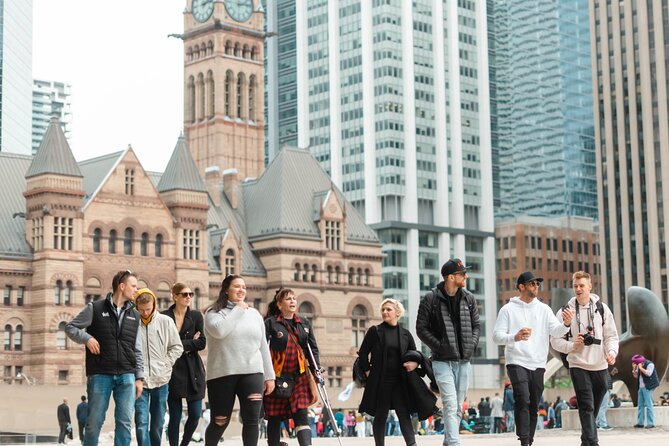
The city becomes a movie set. Toronto’s Hollywood North Experience Tour links downtown streets with the films and television shows made there, using video clips on a tablet to show you how each place appeared on screen. The result is part film lesson, part city walk, and part behind-the-scenes chat.
I especially like the access to working industry guides such as Jacqueline and Mike, whose real set experience adds useful detail. I also like the mix of famous landmarks and lesser-known filming spots. The main drawback is that the tour can lean heavily on particular shows, especially Suits, and some clips may feel long if you do not follow Toronto-made productions.
In This Review
- Key points before you book
- Toronto’s movie set begins at David Pecaut Square
- Union Station reveals Toronto’s double life
- The Royal York and CN Tower add familiar Toronto icons
- The Financial District turns office streets into story settings
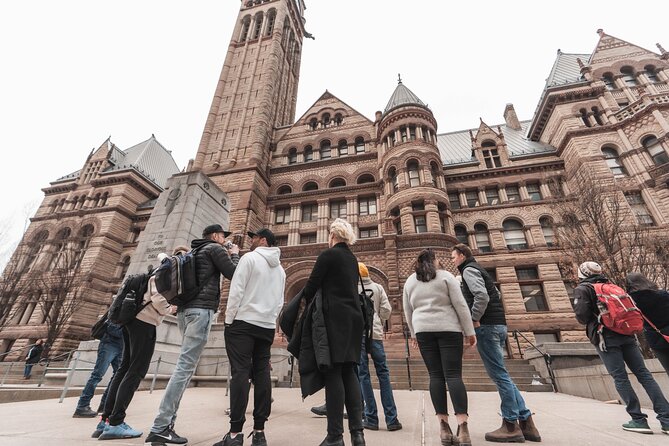
- City Hall and Nathan Phillips Square offer the best civic setting
- Eaton Centre brings the tour into everyday downtown life
- Dundas Square closes the route with a Times Square look
- The guides make the difference
- What the tablet clips add, and where they slow things down
- Who will get the most from the $36.78 price
- Practical advice for a smoother outing
- Is the Hollywood North Experience Tour worth booking?
- FAQ
- Where does the Hollywood North Experience Tour start?
- Where does the tour end?
- What time does the tour begin?
- How long does the experience last?
- Is food included?
- Is private transportation included?
- Can I cancel for a refund?
Key points before you book
- Film locations become easy to recognize: You see Toronto streets, squares, stations, and civic buildings beside clips from the productions that used them.
- Industry guides lead the walk: Guides such as Jacqueline and Mike bring acting and production experience, along with personal stories.
- The route crosses central Toronto: Begin at David Pecaut Square and finish at Sankofa Square, formerly known as Yonge-Dundas Square.
- The tablet clips add useful context: You do not have to rely on imagination to picture the same location on screen.
- It works for locals as well as visitors: The tour includes architecture, city history, and downtown orientation, not only film trivia.
- Plan for weather and walking: The experience is outdoors, has no food or private transport, and takes about two and a half hours.
Toronto’s movie set begins at David Pecaut Square
The tour starts at 11:00 a.m. at David Pecaut Square, at 215 King Street West. This is a sensible opening point because the square has hosted plenty of filming, and the guide can quickly show how an ordinary public space changes when cameras arrive.
You spend about 15 minutes here. The guide explains the productions connected with the square and shows clips so you can compare the real setting with its screen version. That comparison is the heart of the experience: you are not simply told that a movie was filmed in Toronto, you are shown the angle and setting from the place where it happened.
This first stop also gives you a useful introduction to the guide’s personality. The best part of the tour is not a list of titles. It is the way an industry professional explains what you are seeing, including the practical side of working on a set. Jacqueline has been especially praised for her energy, personal anecdotes, and ability to add architecture and downtown history to the film discussion.
A few more Toronto trips worth comparing
- Toronto: Niagara Falls Day Tour with Optional Boat Cruise
★ 4.6 · 3,178 reviews - Niagara Falls Day Tour from Toronto
★ 5.0 · 2,889 reviews - Toronto: Casa Loma Entry Ticket
★ 4.7 · 2,705 reviews
Union Station reveals Toronto’s double life
From David Pecaut Square, the route continues to Toronto Union Station. You enter the major downtown transit station and spend about 15 minutes looking at how it has appeared in films and television.
Union Station is a strong stop for people who like to see a familiar public place used in an unfamiliar way. A station can become a New York terminal, a government building, or a generic city interior depending on the camera angle and the production design. The tablet clips help you spot those changes.
The station is also practical for your day. Since the tour starts and ends near major transit connections, you can reach the meeting point without private transport and continue elsewhere after the final stop. Keep in mind that this is an active station, not a quiet museum. You may be sharing the space with commuters, so the guide’s explanations and the tablet viewing are important.
The Royal York and CN Tower add familiar Toronto icons
The Fairmont Royal York receives a short five-minute pass-by. You appreciate the exterior and hear about filming connected with the building. This is not a long architectural visit, but it gives the tour a useful change of pace after the station.
The Royal York is one of those Toronto buildings you may already recognize from photographs, even if you have never stayed there. Seeing its role in film helps you look at the entrance, facade, and surrounding streets with more attention. The stop is brief, so think of it as a quick visual reference rather than a full building tour.
Along the route, you also see the CN Tower in Toronto’s skyline and learn about its part in the local film industry. The information provided does not list a separate timed stop for the tower, so you should not expect to go inside or visit an observation level. Its value here is as a powerful Toronto image, both in real life and on screen.
The Financial District turns office streets into story settings
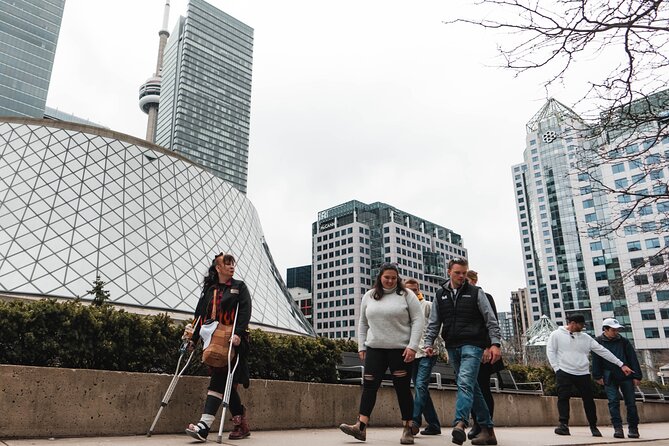
The Financial District takes about 15 minutes. You pass through Toronto’s central business area and learn how its streets have provided backdrops for major movies and television shows.
This section is a good reminder that Toronto’s film appeal does not depend only on special attractions. Glass towers, older facades, office entrances, and broad streets can be reshaped by lighting, costumes, and camera work. The guide helps you notice the details that let a production use Toronto as Toronto, or make it look like another major city.
I like this part because it connects film production with everyday city design. You get general architectural and downtown information alongside screen trivia. That wider focus is one reason the experience can work for someone who does not watch many television series.
Still, the film references will land best if you recognize at least some of the productions. If you do not know the titles shown, you may appreciate the setting more than the story connection. The guide’s city facts help, but the tour is strongest when the location triggers a memory.
Still Toronto, at a slower pace:
- Niagara Falls Canada Day Tour From Toronto + Boat Cruise Option
★ 5.0 · 2,576 reviews - Toronto: Harbor and Islands Sightseeing Cruise
★ 4.7 · 2,566 reviews - Toronto: City Sightseeing Hop-On Hop-Off Bus Tour
★ 4.3 · 2,544 reviews - Niagara Falls from Toronto: Skip-the-Line Boat & Skylon Tower
★ 5.0 · 2,406 reviews
City Hall and Nathan Phillips Square offer the best civic setting
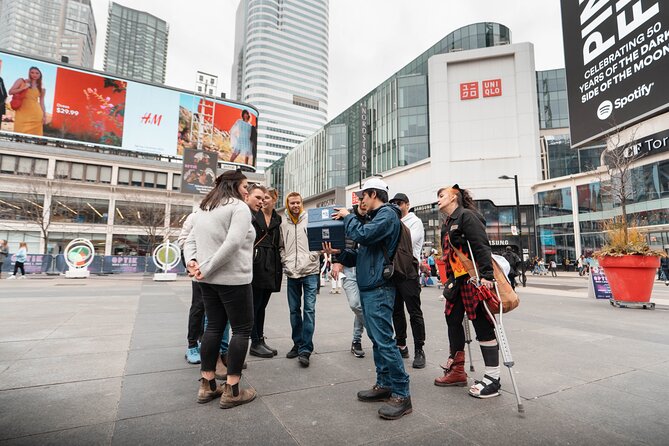
Toronto City Hall gets a five-minute exterior visit. You learn about the building, hear about filming there, and watch related clips on the tablet.
The short timing means you will not get a full architectural presentation, but the stop is well placed. Toronto City Hall and Nathan Phillips Square form one of the city’s most recognizable civic spaces, and productions can use the buildings and open plaza in very different ways. The guide can point out the physical setting while the clip shows what the camera chose to include.
Nathan Phillips Square receives about 20 minutes and includes an interactive activity. This is one of the more substantial stops, and it gives the tour room to move beyond passive listening. You can look around the square, connect the real location with screen images, and take part instead of simply watching another clip.
For first-time visitors, this section also helps with orientation. You are seeing a major Toronto landmark while learning how film crews frame it. For locals, the value is in the second look. A place you have crossed many times can feel different once you know how productions have used its space.
Eaton Centre brings the tour into everyday downtown life
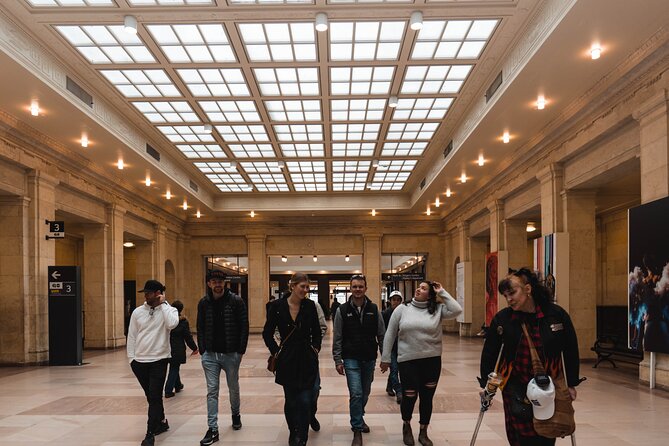
The walk passes the CF Toronto Eaton Centre for about 10 minutes. The guide discusses productions filmed there and shows media on the tablet. You can return later on your own for shopping.
This is a useful inclusion because it places film locations in a setting you may already plan to visit. The Eaton Centre is not treated as a separate shopping excursion, so do not expect time to browse during the tour. Instead, you get a film connection and a practical suggestion for later.
The stop also helps show the range of Toronto locations. The tour moves from formal civic buildings and office streets to a major shopping centre. That variety keeps the route from becoming a string of similar facades.
If shopping matters to you, note the distinction between passing by and visiting. The itinerary allows time to learn about filming, but your shopping time comes after the tour. That is easy to manage because the ending is nearby.
Dundas Square closes the route with a Times Square look
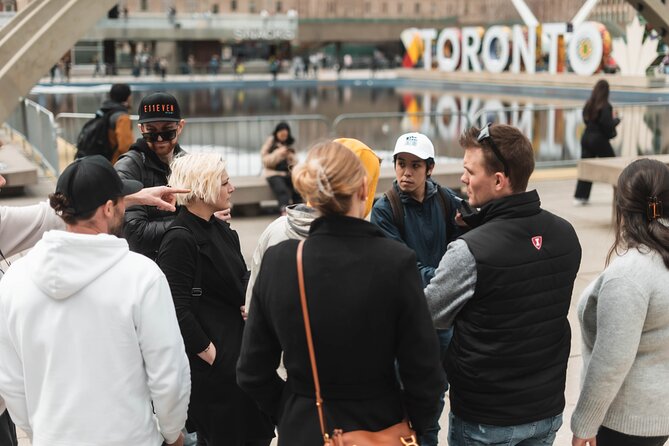
The tour finishes at Sankofa Square, at 1 Dundas Street East, the central plaza many people still know as Yonge-Dundas Square. It has the bright, screen-ready feel of a smaller Times Square, and the final 20 minutes focus on movies and television shows filmed around the square and its intersecting streets.
The guide uses the tablet again, giving you a visual link between the plaza and the productions associated with it. This is a fitting end because the square is easy to recognize and sits close to major transit lines and the Eaton Centre.
You also receive recommendations for things to do after the tour, and the guides can help with directions. That makes the final stop more useful than a simple goodbye. You can continue shopping, explore nearby downtown, or travel to your next appointment without arranging a separate transfer.
One earlier part of the route that some people may want more time for is the star walk. The guide may point it out, but you can check it out independently after the tour. If that feature interests you, leave a little extra time around the finish.
The guides make the difference
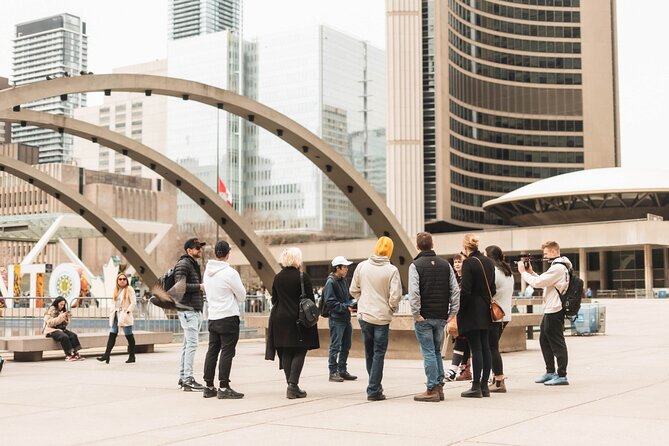
The experience includes a local film industry professional, such as an actor or director. That is more valuable than a guide who simply memorizes filming locations. Jacqueline, in particular, has received praise for her warmth, stories, and ability to adjust the discussion to the group.
Her industry background can add details about being on set, not just facts about where a scene was shot. That personal angle gives the tour a human side. You hear about the work behind the finished image and get a better sense of how Toronto supports film and television production.
There is one caution here. A guide’s personal career stories may take up more space than you expect. One account found repeated references to the guide’s acting experience distracting, while another enjoyed the anecdotes. If you prefer a tightly scripted history tour, the conversational style may feel loose. If you enjoy meeting someone with direct industry experience, it is likely a plus.
Group size is limited to 20 people, though some departures may be much smaller. A few bookings have operated with only two people, creating a very personal experience. That can also mean the exact tone depends heavily on the guide and the interests of the group.
What the tablet clips add, and where they slow things down
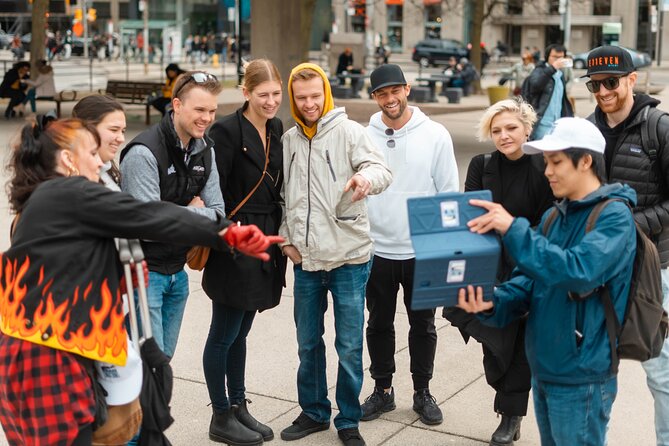
The tablet is a smart feature. Film locations can be hard to understand when you are looking at a normal street corner, especially if the production changed signs, dressed the area, or used a tight camera angle. Seeing the clip helps you connect the real place with the finished scene.
The clips also make the tour more visual for families and younger participants. You do not need to picture the scene from a spoken description alone. The guide can pause and explain what changed between the filming and the present day.
The tradeoff is time. One person found some clips too long, particularly when the group stood on the street watching several scenes. If you already know the production, you may enjoy the comparison. If you do not, a long video segment can feel like a pause in the walk.
I would approach the tablet as a useful tool rather than the whole attraction. The best moments come when the clip is short enough to sharpen your view of the location, then the guide adds a story or piece of city information that you would not get from watching at home.
Who will get the most from the $36.78 price
At $36.78 per person, the tour offers reasonable value if you want a guided downtown walk with a clear theme. You are paying for about two hours and 30 minutes, a small group limit, an industry professional, local orientation, and the visual clips. There is no separate admission charge at the stops.
The value is less convincing if you only want famous Toronto sights. You do not enter the CN Tower, tour the inside of the Royal York, or spend a long time at City Hall. This is not a standard sightseeing circuit with extensive visits inside attractions.
I think of it as three experiences in one: a movie-location tour, a downtown introduction, and an informal conversation with someone connected to the entertainment business. Several guides also add architecture, city stories, and even occasional ghost tales. That mix explains why the tour can appeal beyond dedicated film buffs.
The cost makes particular sense early in your stay. The route gives you a quick sense of central Toronto, and the ending near transit and shopping lets you build the rest of your day around it. You might also spot places you want to revisit on your own.
Practical advice for a smoother outing
The tour starts at 11:00 a.m. at David Pecaut Square. Arrive ready to spend the full time outdoors and moving between downtown locations. No snacks or drinks are provided, so eat beforehand or carry what you need within the limits of the tour setting.
Private transport is not included. That is not a major issue because the route uses central locations and ends near major transit lines, but you should plan your arrival and onward trip. The tour duration includes travel time between stops, so the listed 2.5 hours is not 2.5 hours of uninterrupted commentary.
Good weather matters. If poor weather cancels the experience, you receive the choice of another date or a full refund. You can also cancel for a full refund up to 24 hours before the start time. Changes made inside that 24-hour window are not accepted, and the experience may also be canceled if its minimum group size is not met.
Most people can participate, and the group maximum is 20. The information does not give a detailed accessibility description, so if you have specific mobility needs, ask the provider before booking.
Is the Hollywood North Experience Tour worth booking?
I would book this tour if you enjoy film and television, want a different way to see downtown Toronto, or like tours led by people with direct industry experience. The 4.8 rating and 97 percent recommendation rate fit the strongest qualities here: personable guides, useful clips, flexible conversation, and a route that adds city context.
I would skip it if you dislike watching screen clips in public spaces or rarely recognize the productions discussed. The tour can also feel too focused on Suits for some people, so check your interest in that show before booking.
For the best match, choose it near the start of your Toronto visit, wear comfortable shoes, and keep the rest of your day flexible around Sankofa Square. You get the most from it when you treat the walk as a way to see Toronto with fresh eyes, not as a parade of movie trivia.
FAQ
Where does the Hollywood North Experience Tour start?
It starts at David Pecaut Square, 215 King Street West, Toronto, Ontario M5V 3G2, Canada.
Where does the tour end?
It ends at Sankofa Square, 1 Dundas Street East, Toronto, Ontario M5B 2R8, Canada. This is the central plaza also identified as Yonge-Dundas Square, near major transit lines and the Eaton Centre.
What time does the tour begin?
The scheduled start time is 11:00 a.m.
How long does the experience last?
The tour lasts approximately two hours and 30 minutes. The duration includes travel time between stops.
Is food included?
No. Snacks, food, and drinks are not provided on the tour.
Is private transportation included?
No. Private transportation is not included. The route uses central Toronto locations and finishes near major transit connections.
Can I cancel for a refund?
Yes. You can cancel at least 24 hours before the experience start time for a full refund. Cancellations or changes made less than 24 hours before the start time are not accepted for a refund. If poor weather or the minimum group requirement cancels the tour, you are offered another date or a full refund.
Just added around Toronto
- Toronto Craft Brewery Tour★ 5.0 · 97 reviews
- Canada eSIM | 3-30 days | Daily data | QR code★ 4.0 · 12 reviews
- Handcrafted Donuts of Toronto: A Sweet City Walking Tour★ 5.0 · 141 reviews
- Underground Toronto PATH Tour★ 4.5 · 6 reviews
- Tour to Niagara Falls from Toronto★ 4.0 · 19 reviews
- Customizable Walking Tour of Toronto’s Hidden Gems★ 5.0 · 15 reviews
- Tour to Niagara Falls with skip the line Cruise★ 4.0 · 27 reviews
- Toronto Airport Private Transfer to Downtown★ 4.5 · 10 reviews
Toronto Tours, compared.
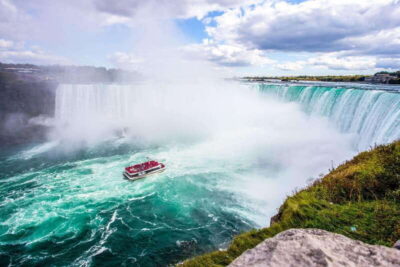
Niagara Falls Day Tour with Optional Boat Cruise
Read our review →
Niagara Falls Canada Day Tour From Toronto + Boat Cruise Option
Read our review →

Niagara Falls from Toronto: Skip-the-Line Boat & Skylon Tower
Read our review →
Niagara Falls Tour + Boat Ride and/or Journey
Read our review →Browse the lists this tour appears in