Reviewed · ZOOS
Saint Felicien: Admission to Zoo Sauvage
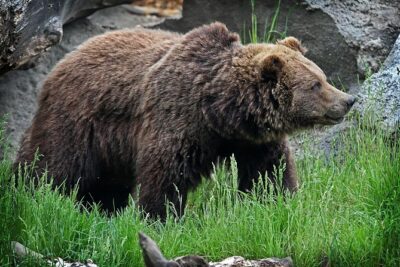
Animals get the run of the place here. At Saint-Félicien Zoo Sauvage, you ride a mesh-sided train through the Nature Trails Park while bears, elk, bison, and other cold-weather species live in broad natural settings. I especially like the Boreal Train and the zoo’s effort to give animals space that feels closer to the wild. The main drawback is value: at $46 per person, the admission can feel expensive if you see only a few animals during your visit.
I also like that this is not just a standard walk past small enclosures. You can explore six walking sections, watch animals going about their normal routines, see recreated historic sites, enjoy animal snacks, and take in a multisensory film. Allow time for the full visit, dress for the weather, and remember that animal sightings are never guaranteed.
- The Boreal Train is the signature experience: A mesh train carries you through the Nature Trails Park, placing people behind barriers while animals move through large open areas.
- Six walking zones offer a second way to see the zoo: Visit the Arctic Tundra, Eastern Asia, Laurentian Forest, Mongolia, Rocky Mountains, and Ethiopian Plateaus.
- The setting favors cold-climate wildlife: The animal collection focuses on species able to handle Quebec’s low temperatures.
- Historic village scenes add local context: The train route includes recreated sites connected with early settlers and different periods of regional history.
- Winter visits are fully possible: The walking sections and Nature Trails Park remain accessible in winter, when snow changes the look and mood of the zoo.
- The ticket includes more than entry: Hiking trails, animal snacks, the train ride, and a multisensory film are included.
In This Review
- The Big Idea Behind Zoo Sauvage
- Riding the Boreal Train Through Nature Trails Park
- Six Walking Sections With Different Character
- Arctic Tundra
- Eastern Asia
- Laurentian Forest
- Mongolia
- Rocky Mountains
- Ethiopian Plateaus
- What You May See, and What You May Miss
- Winter at Saint-Félicien Zoo Sauvage
- The Historical Scenes and Multisensory Film
- Is $46 a Fair Price?
- Who Will Enjoy This Zoo Most?
- Practical Tips for a Better Visit
- Should You Book Zoo Sauvage de Saint-Félicien?
- FAQ
- Where is Zoo Sauvage de Saint-Félicien located?
- What does admission include?
- Is the train ride included in the ticket?
- Can I visit the zoo in winter?
- How long is the ticket valid?
- Is the zoo wheelchair accessible?
The Big Idea Behind Zoo Sauvage

Zoo Sauvage de Saint-Félicien is built around an unusual arrangement: animals move through large open spaces, while you remain inside protected vehicles or behind visitor barriers. The idea is simple but effective. Instead of placing every animal in a small display, the zoo tries to recreate parts of the North American outdoors.
The approach also explains why the animal collection is suited to Quebec. Species that can adapt to cold conditions are the natural fit here. You may see animals sharing space with other species, feeding, resting, hiding, or simply carrying on with their day.
That last point matters. This is not a show built around constant action. You may get a wonderful sighting, such as a red panda sleeping only a few metres from the walkway, or you may catch a glimpse of an animal at a distance. The experience rewards patience more than speed.
Riding the Boreal Train Through Nature Trails Park

The train ride is the heart of the visit. You board the Boreal Train in the Nature Trails Park, where a mesh-sided carriage takes you into wide outdoor areas. The design gives you protection while keeping the view open, so you can watch animals without the heavy feeling of a conventional cage.
The train’s main attraction is the scale of the setting. Parts of the route use reconstructed outdoor scenes, while other sections pass through areas that are completely natural. This creates a changing journey rather than one repeated view after another.
The train is particularly useful in bad weather. One visitor described the ride as especially good in the rain, and that makes sense. You stay under some protection while still getting a clear view of the surrounding area. In winter, the same arrangement lets you see the park without walking every metre through snow and cold.
Keep your expectations sensible. The train does not guarantee a close look at every animal. The animals have room to move away, rest out of sight, or gather in another part of the park. That freedom is the point, but it can also mean a quieter ride than you expected.
The route also includes historical recreations. Rebuilt village scenes recall the first settlers and different eras of local life, giving the train ride a cultural layer. These displays help break up the animal viewing and make the park feel connected to Quebec’s past rather than isolated from it.
A few more Canada trips worth comparing
- Banff: Banff Gondola Admission Ticket
★ 4.7 · 3,698 reviews - Toronto: Casa Loma Entry Ticket
★ 4.7 · 2,705 reviews - Banff Gondola Ride Admission
★ 4.5 · 2,688 reviews
Six Walking Sections With Different Character
The pedestrian part of the zoo is divided into six sectors. Each gives you a different setting and a different group of animals to look for.
Arctic Tundra
The Arctic Tundra section reflects the harsh northern environment. It is a fitting place to begin thinking about the zoo’s overall purpose: wildlife here must suit a cold climate. In winter, this area should feel especially natural, though snow and weather can also make walking slower.
Eastern Asia
Eastern Asia offers a different regional setting from the North American areas. This is where you may find animals such as red pandas. They can be quiet and sleepy rather than active, so check carefully around the viewing areas instead of rushing past.
A close sighting is possible, but the animals are not arranged for guaranteed photographs. That is part of the trade-off for more natural behavior.
Still Canada, at a slower pace:
- Vancouver Half-Day Whale Watching Adventure with Free Photos
★ 5.0 · 5,000 reviews - Quebec City Walking Tour
★ 5.0 · 4,716 reviews - Niagara Falls: Premium Tour, Boat & Journey Behind the Falls
★ 4.8 · 4,207 reviews - Toronto: Niagara Falls Day Tour with Optional Boat Cruise
★ 4.6 · 3,178 reviews
Laurentian Forest
The Laurentian Forest connects the zoo most clearly with the surrounding Quebec environment. The area helps you understand how local forest ecosystems support wildlife and why the zoo puts such emphasis on boreal biodiversity.
This section may appeal most if you prefer the feeling of walking through a wooded setting instead of moving from one compact enclosure to the next.
Mongolia
The Mongolia area adds open-country scenery and a different visual rhythm. Expect more space and fewer tightly framed displays. The broad layout can make animals seem more distant, but it also gives them room to behave naturally.
Rocky Mountains
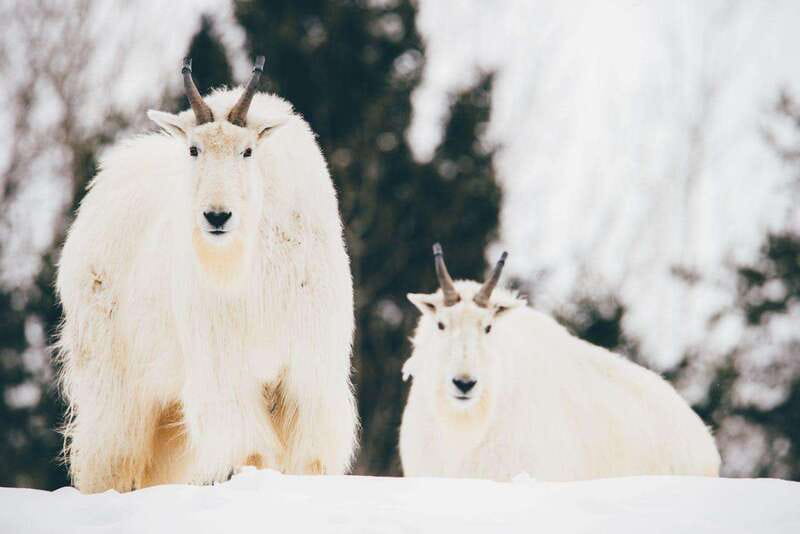
The Rocky Mountains sector continues the focus on North American wildlife and rugged outdoor habitats. The point here is less about collecting animals from around the world and more about showing how they fit into large regional environments.
Ethiopian Plateaus
The Ethiopian Plateaus section brings another climate and terrain into the walking route. It gives the zoo’s pedestrian area a wider geographic range and prevents the visit from feeling limited to one type of forest.
Together, the six zones make the walking portion more varied than the train ride alone. I would not treat the train as a substitute for the footpaths. The two experiences work best together: the train gives you scale, while the walking route gives you time to stop and look.
What You May See, and What You May Miss
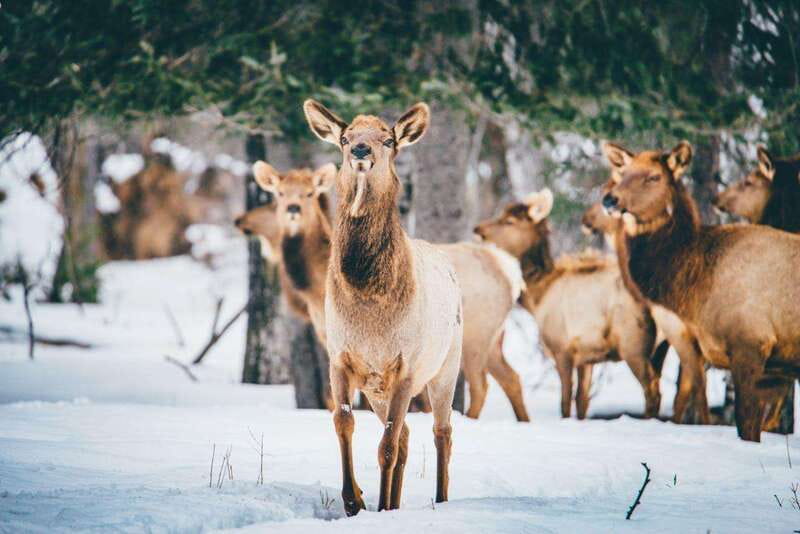
The zoo’s open approach creates genuine uncertainty. You may see animals close to the viewing areas, or you may find them resting, hiding, or standing far across the park. One reported sighting placed red pandas only a few metres from visitors, but that should be considered a lucky moment rather than a promise.
This is also why the $46 admission deserves a careful look. The price includes the walking trails, animal snacks, train ride, and multisensory film, so you are paying for a full day-style attraction rather than a quick animal display. The ticket is easier to justify if you plan to use both the train and walking areas.
If your main goal is to see a long list of animals quickly, you may feel disappointed. One Canadian visitor found the price high for seeing relatively few animals. That is the clearest warning to keep in mind.
I would plan for a slower visit. Stop at viewing points, allow the train ride to unfold, and accept that the animals set the pace. The zoo is strongest when you value habitat and animal behavior as much as close-up sightings.
Winter at Saint-Félicien Zoo Sauvage
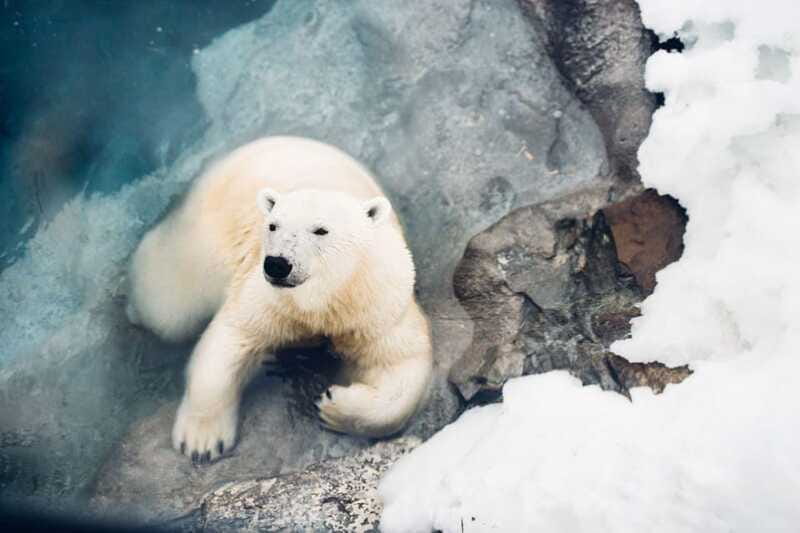
Winter is not an off-season afterthought here. The zoo describes it as a particularly beautiful time to visit, and the cold-weather focus of the collection makes the season a natural fit.
The pedestrian area remains accessible in winter, and the Nature Trails Park train also operates as part of the visit. Snow can make the setting feel more like the boreal forest the zoo is trying to represent. It can also make walking tiring, so wear suitable clothing and shoes.
Winter conditions may change how long you want to spend outdoors. The train offers a welcome break from walking, while the indoor multisensory film gives you another included activity. The animal snacks are a small extra, but they can be useful when you are visiting with children.
Rain is another reason the train matters. A wet day will not necessarily ruin the experience, since the carriage lets you continue viewing the park with less exposure than on foot. Still, the zoo is primarily outdoors, so weather remains an important part of your decision.
The Historical Scenes and Multisensory Film
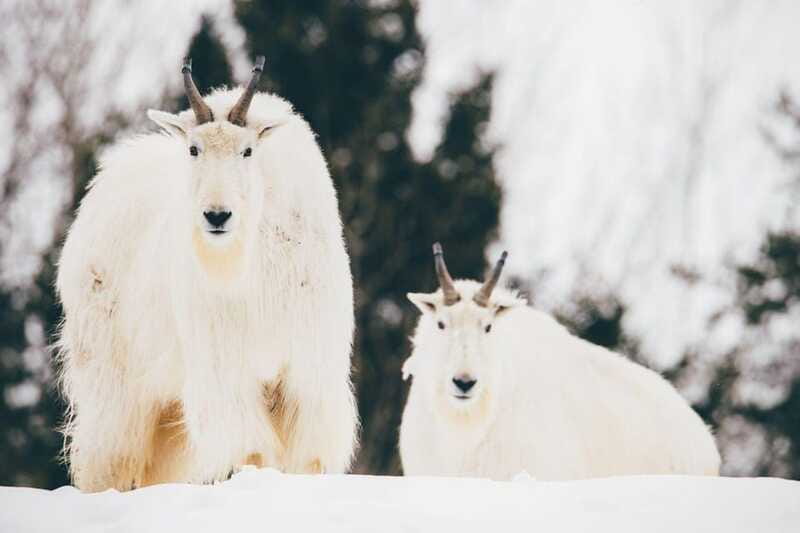
The recreated villages along the train route are more than decoration. They recall the origins of local culture and the era of the first settlers. If you enjoy connecting a place’s wildlife with its human past, these scenes add real value.
They also provide a change of pace. A long animal route can become repetitive, especially when sightings are spread out. Historical displays give you something specific to examine while keeping the visit tied to the region.
The multisensory film is included with admission. The available information does not specify its length or exact subject, so I would treat it as a supporting part of the day rather than the main reason to buy a ticket. It may be useful if you want a break from the outdoor sections or need an activity that does not depend on animal sightings.
Is $46 a Fair Price?

At $46 per person, this is not a bargain attraction. The value depends on how you use it.
The price includes:
- Access to the hiking trails
- The Nature Trails Park train ride
- Animal snacks
- A multisensory film
The train is the feature that gives the ticket its identity. If you skip it, the admission becomes harder to defend because the walking area, while varied, may not deliver constant close views.
I would consider the price fair for someone who plans to spend much of the day at the zoo and appreciates large habitats, historic recreations, and a less predictable style of animal viewing. I would think twice if you have only a short window or need guaranteed sightings.
The ticket is valid for 365 days, with starting times subject to availability. That long validity gives the purchase some flexibility, though you should still check the available date and time before making plans.
Who Will Enjoy This Zoo Most?
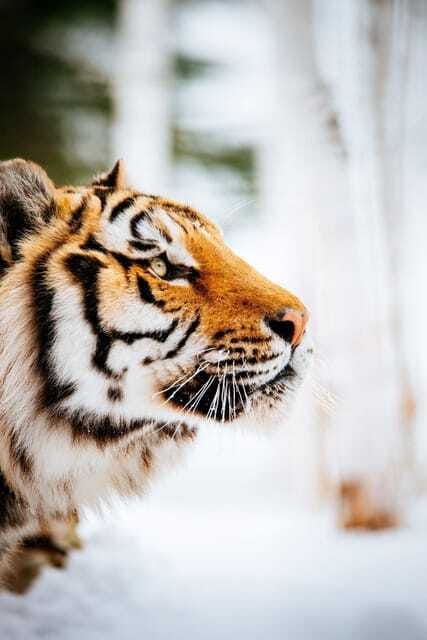
I think the experience suits families, wildlife enthusiasts, and anyone interested in seeing animals in more open settings. Children may enjoy the train, the animal snacks, and the sense of moving through a real outdoor world rather than a series of small displays.
It also works well for adults who want something different from a conventional city zoo. The central idea, people inside a protected train while animals have more freedom, gives the visit a clear purpose.
The zoo may be less satisfying for someone who wants a fast, tightly organized route with constant action. Animal encounters can be limited or distant. If you judge a zoo mainly by the number of close sightings, the admission may feel steep.
The site is wheelchair accessible, which makes the experience available to more visitors. Pets are not allowed, although assistance dogs are permitted.
Practical Tips for a Better Visit
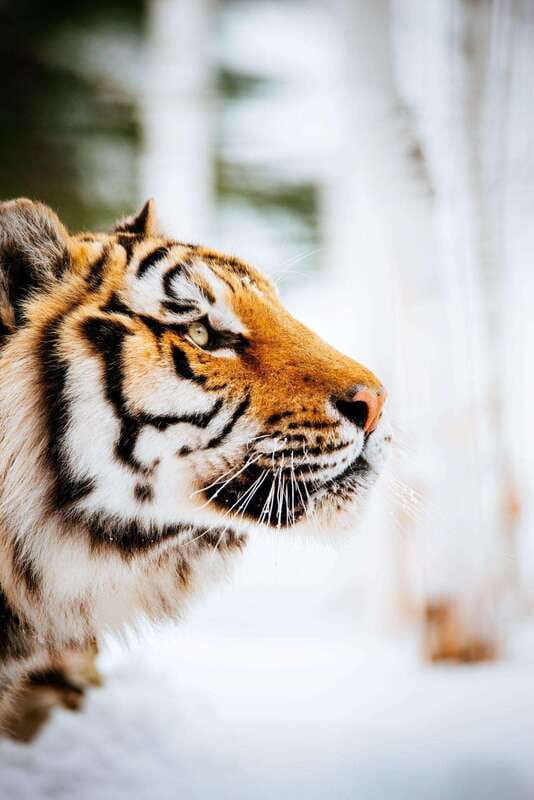
I would make the train ride a priority, since it is the attraction that makes Saint-Félicien different. Check the available starting times because the ticket’s 365-day validity does not mean you can arrive at any hour without checking.
Dress for outdoor conditions, even if you plan to use the train. The walking sections are a major part of the experience, and winter access means you should be ready for cold, snow, or wet paths.
Give yourself time to look carefully. Animals may be near the path one moment and out of sight the next. The zoo’s design is meant to allow animals to move, so a little patience can make the difference between a rushed visit and a rewarding one.
If weather turns poor, do not immediately abandon the day. The train is useful in rain, and the multisensory film offers an indoor change of pace. The historic village scenes also give you something to see beyond animal spotting.
Free cancellation is available up to 24 hours before the visit for a full refund. You can also reserve now and pay later, which is useful when your Quebec plans are still changing.
Should You Book Zoo Sauvage de Saint-Félicien?
Book it if you want a full outdoor outing built around large animal habitats, a distinctive train ride, and the chance to see wildlife behaving with fewer visual barriers. The Boreal Train, the historic village recreations, and the six walking sectors give the day more variety than a simple zoo circuit.
Think twice if you need close sightings of many animals or have only a few hours. At $46, the price asks you to value the setting and the concept, not just the number of creatures you see.
For families and wildlife lovers, especially those visiting Quebec in winter, I think it is a strong choice. Go patiently, dress well, and let the animals decide how much of themselves you get to see.
FAQ
Where is Zoo Sauvage de Saint-Félicien located?
It is located in Saint-Félicien, Quebec, Canada. The meeting point is the Zoo sauvage de Saint-Félicien.
What does admission include?
Admission includes access to the hiking trails, animal snacks, the train ride in the Sentiers de la Nature Park, and a multisensory film.
Is the train ride included in the ticket?
Yes. The Boreal Train ride through the Nature Trails Park is included with admission.
Can I visit the zoo in winter?
Yes. The pedestrian sections and the Nature Trails Park are accessible in winter.
How long is the ticket valid?
The admission is valid for 365 days. You should check availability for the starting times.
Is the zoo wheelchair accessible?
Yes, the experience is wheelchair accessible. Pets are not allowed, but assistance dogs are permitted.
Just added around Canada
- Small Group Stanley Park and Coal Harbour Segway Tour★ 5.0 · 67 reviews
- The Stanley Park Family Tour by Cycle City Tours★ 5.0 · 19 reviews
- Talking Trees: Stanley Park Indigenous Walking Tour Led by a First Nations Guide★ 5.0 · 86 reviews
- Spoken Treasures: Stanley Park Indigenous Walking Tour★ 5.0 · 27 reviews
- Vancouver Stanley Park 3 Hour Bike Tour★ 5.0 · 124 reviews
- Vancouver to Whistler Seaplane Day Trip: Self-Guided Adventure★ 5.0 · 53 reviews
- Snowshoe Through Vancouver’s Winter Wonderland★ 5.0 · 32 reviews
- Snowshoeing In Vancouver’s Winter Wonderland★ 5.0 · 11 reviews