
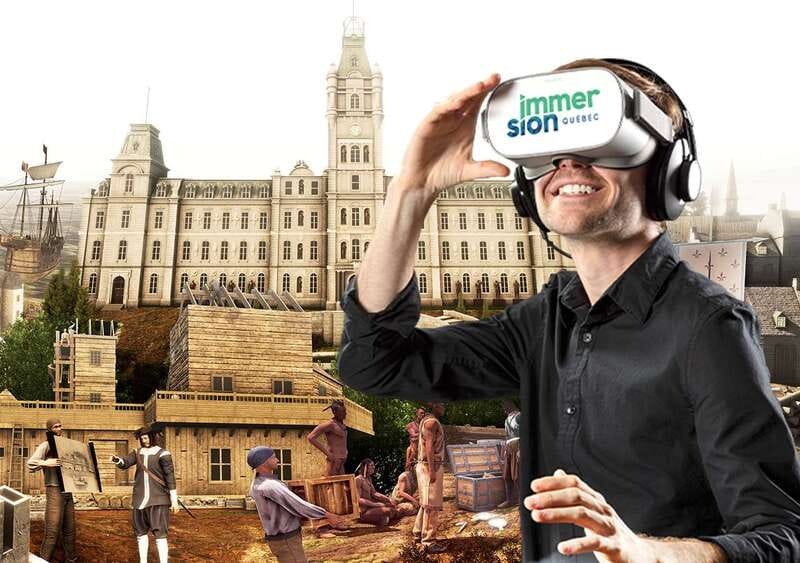
Reviewed · HISTORICAL TOURS
Quebec City’s History in Virtual Reality
History comes alive from a chair. Quebec City’s virtual reality presentation packs more than 400 years into 40 minutes, using 10 key moments, animated scenes, reenactments, and narration inside the old vaults of Maison Chevalier. It is a clever way to get the city’s long story before you start exploring its streets.
I like the small-group setting and the fact that you remain seated throughout. I also like the price: at $19 per person, it gives you a quick historical introduction without taking half a day. The main consideration is the technology. Some scenes may look blurry or dated, and the music can occasionally make the narration difficult to hear.
In This Review
- Key points to know before you go
- Starting in the vaults of Maison Chevalier
- Ten moments that explain Quebec City
- Battle scenes that make the past easier to picture
- What the virtual reality presentation feels like
- Audio languages and narration
- Is 40 minutes enough?
- The $19 question: good value or not?
- Who should book this experience?
- Planning the activity into your Quebec City day
- Final verdict: should you book it?
- FAQ
- Where does Quebec City’s History in Virtual Reality take place?
- How long does the experience last?
- How much does it cost?
- Do I have to walk during the activity?
- What languages are available?
- What is included in the price?
- Can I cancel my booking?
Key points to know before you go
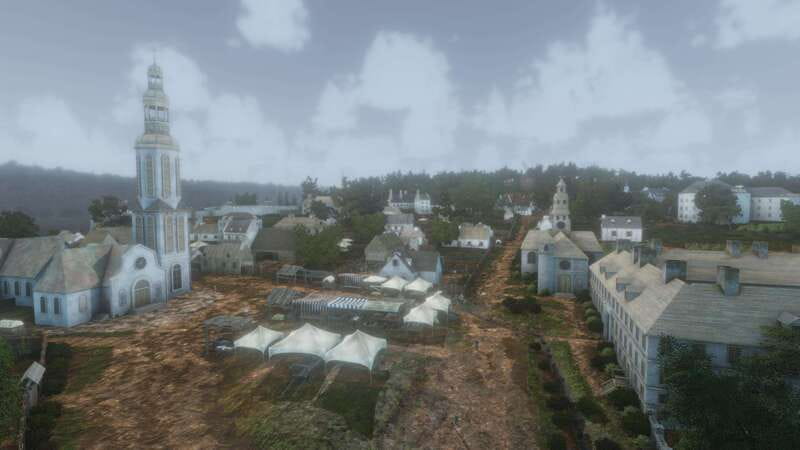
- 400 years in 10 moments: The presentation focuses on major turning points that explain how Quebec City became the place you see today.
- Inside an actual historic setting: The activity takes place in the vaults of Maison Chevalier, a building dating from 1752.
- Seated from beginning to end: You do not walk through a set or move between stations. The entire presentation happens while you sit with a headset.
- Strong battle scenes: Reenactments help you picture the conflicts that shaped control of the city.
- Several audio choices: Narration is available in English, French, Spanish, and Chinese.
- A short, fairly priced introduction: The $19 cost works well for a first look at Quebec City’s past, especially on a busy sightseeing day.
Starting in the vaults of Maison Chevalier
The setting gives this activity an advantage before the headset even goes on. Maison Chevalier’s vaults date back to 1752, so you begin in a real piece of Old Quebec rather than in a modern theater with historical decorations added later.
The entrance to Immersion Quebec is the door on the left near the sidewalk. That detail matters because the attraction is located in the vaults, not necessarily in a large, obvious street-front hall. Look for the left-hand entrance when you arrive.
The old stone setting and the digital presentation make an appealing contrast. You are surrounded by part of Quebec City’s built past while the headset takes you through earlier chapters. The presentation does not depend on the building alone, but the location gives the activity a stronger sense of place than a standard indoor video would have.
You should expect a compact activity rather than a long museum visit. The full program lasts about 40 minutes, and the small number of people makes it feel more focused than a large group presentation. That is useful if you prefer not to be shuffled through a crowded attraction.
More History Tours in Canada:
- Victoria Guided Food and History Tour
★ 5.0 · 2,015 reviews - Gastown Historic Walking Food Tour
★ 5.0 · 1,863 reviews - Vancouver: Gastown Historical Walking Food Tour
★ 4.8 · 539 reviews
Ten moments that explain Quebec City
The central idea is simple: instead of presenting 400 years as one long lecture, the program selects 10 important moments. This is a sensible choice for a short activity. Quebec City’s past includes exploration, settlement, political change, warfare, and cultural development. Ten chapters give you a basic timeline without asking you to remember a thick list of dates and names.
I would think of this as an orientation to the city, not a complete history course. The presentation aims to answer a practical question: why is Quebec City important today? It connects the city’s reputation to the events that shaped it, rather than showing only pretty streets and old buildings.
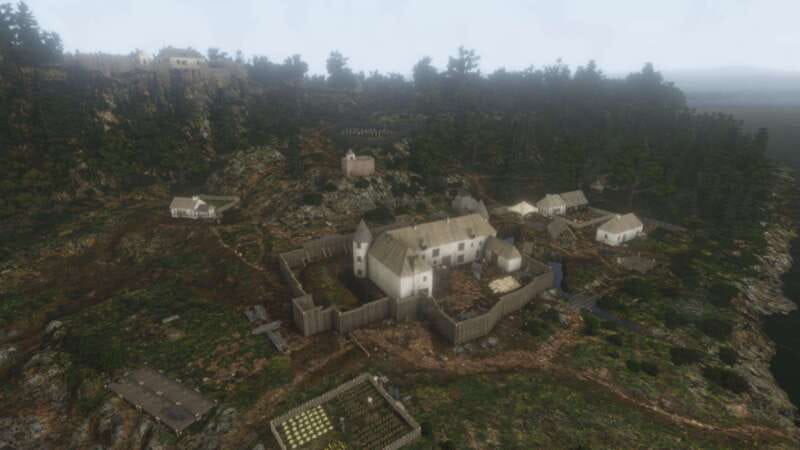
The scenes use 3D animation, images, and programmed sequences. More than 6,200 hours of research and programming went into the project, which suggests serious preparation behind the presentation. You may not notice that work as a separate feature, but it can be seen in the effort to connect individual moments into a larger story.
The program is especially useful before you visit sites around Old Quebec. Once you know that the city’s development was shaped by competing powers and repeated battles, its walls, buildings, and strategic location make more sense. You are not simply looking at old stone. You have a basic explanation for why the city grew where it did and why it mattered.
Battle scenes that make the past easier to picture
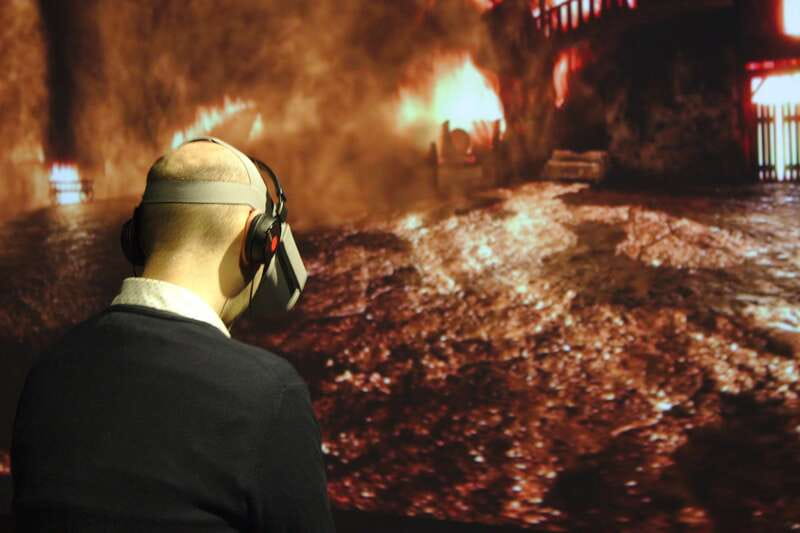
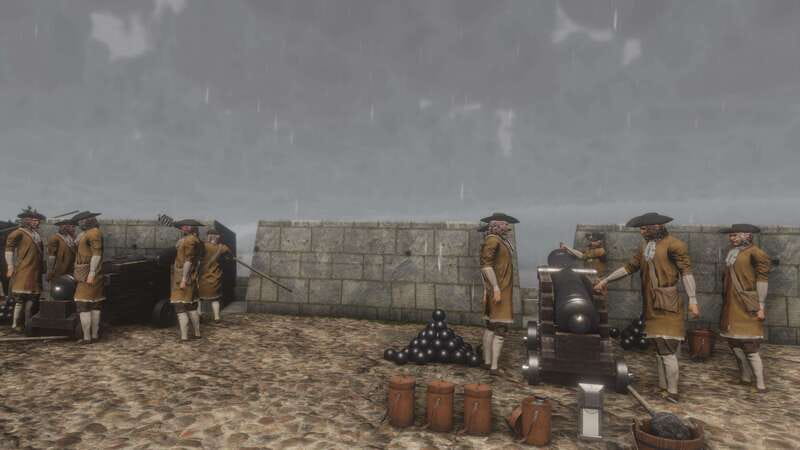
The strongest part of the program appears to be its treatment of the battles for Quebec City. Historical conflict can be hard to understand when it is reduced to dates and names. Reenactments give you a visual sense of the events and help explain why control of the city changed hands or remained contested.
The battle sequences also suit the virtual format. A conventional museum display might give you a map, a paragraph, and a few objects. Here, the animated presentation can place action around you and show the movement of people and forces in a way that is easier to follow.
This is not the same as seeing original artifacts or standing on a battlefield. The scenes are recreations, and the images are designed to tell a story quickly. Still, if wars and political struggles are the parts of history you find hardest to imagine, these sections may be the most useful.
The tone is also more entertaining than a standard lecture. That makes the activity a good fit for families, mixed-age groups, and anyone who wants background information without spending an hour reading museum panels. The tradeoff is that a dramatic presentation may simplify certain events. You get the main shape of the story, not every argument or detail.
What the virtual reality presentation feels like
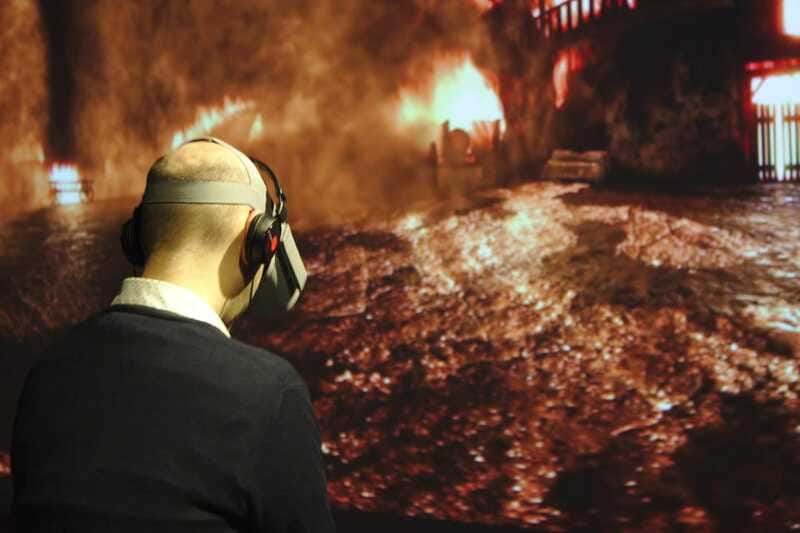
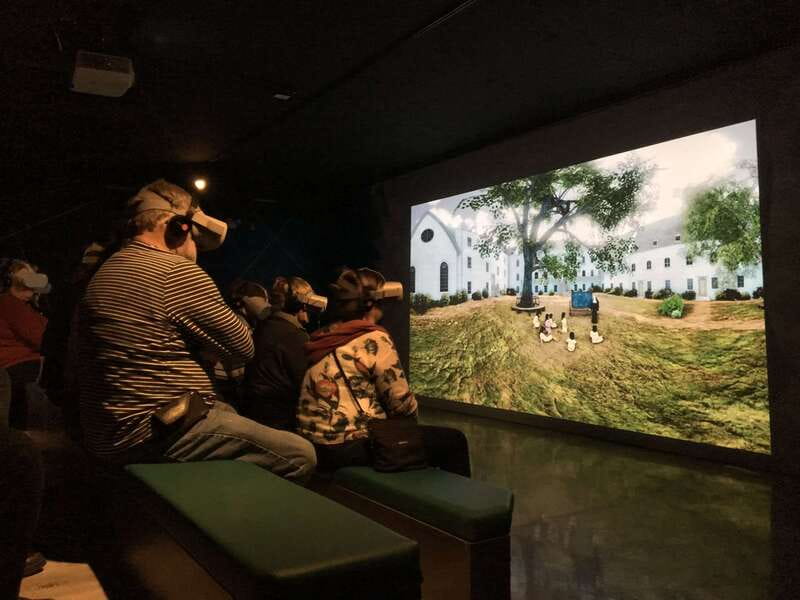
You wear a virtual reality projection headset and remain seated throughout. That makes the activity physically easy. There is no walking, climbing, or moving from room to room, so you can fit it into a day when your legs already have enough work from exploring Old Quebec.
The seated format may also help people who prefer a calmer attraction. You can focus on the images and narration rather than trying to keep up with a guide or find a clear view in a crowd. The small number of participants adds to that sense of control.
The technology has some limits. One review described the images as blurry and suggested that detailed 2D drawings or real photographs could improve the way people and buildings appear. Another comment called for the technology to be refreshed. I would keep those points in mind if you expect modern, high-resolution virtual reality.
This is best approached as a historical presentation with VR elements, not as a cutting-edge gaming experience. The value comes from seeing the past organized into scenes and reenactments. If you judge it mainly by visual sharpness, you may find parts of it underwhelming.
The sound can also affect your experience. A music volume issue made the narration hard to hear for one visitor. That does not mean the problem will occur every time, but it is a useful warning. If the music feels too loud, say so promptly. The narration is where much of the historical information is delivered.
More City Tours in Canada:
- Quebec City Walking Tour
★ 5.0 · 4,716 reviews - Quebec City: Guided Tour of Fairmont Le Château Frontenac
★ 4.7 · 3,027 reviews - Québec City: Guided Sightseeing River Cruise
★ 4.4 · 3,000 reviews - Half-Day Trip to Montmorency Falls and Ste-Anne-de-Beaupré from Quebec city
★ 4.0 · 2,718 reviews
Audio languages and narration
The instructor languages are English and French. An audio guide is included in English, French, Spanish, and Chinese, giving you several ways to follow the presentation.
If you are comfortable in English or French, you can choose the language that makes historical names and explanations easiest for you. Spanish and Chinese options make the experience more accessible to a wider range of visitors, though the supplied information does not specify whether every spoken element or only the audio guide is translated.
The narration matters because the images alone cannot carry all 400 years. You will get more from the activity if you listen closely to the explanation of each moment. The visual scenes give you atmosphere and action, while the audio should provide the timeline and meaning.
Because sound quality is important here, this may not be ideal for someone who has difficulty hearing narration in a music-heavy presentation. It is worth treating the audio as a central part of the activity rather than background support.
Is 40 minutes enough?
Forty minutes is long enough to give you a useful outline, but short enough to fit between other plans. You can use it early in your Quebec City visit to get context, then spend the rest of the day visiting the streets and landmarks that the presentation has made easier to understand.
The length also reduces the risk of historical fatigue. A 400-year story can become a blur when presented in one long sitting. Ten selected moments give the program a clear rhythm, and the short duration keeps the activity manageable for people who do not usually choose history attractions.
The limitation is depth. You should not expect a detailed account of every era, community, or event. The program has to move from one key moment to the next, so some subjects receive only a brief treatment.
I would treat it as a starting point. Afterward, you may recognize themes and places around the city, but you will still need museums, walking tours, or historical sites if you want a more detailed understanding.
The $19 question: good value or not?
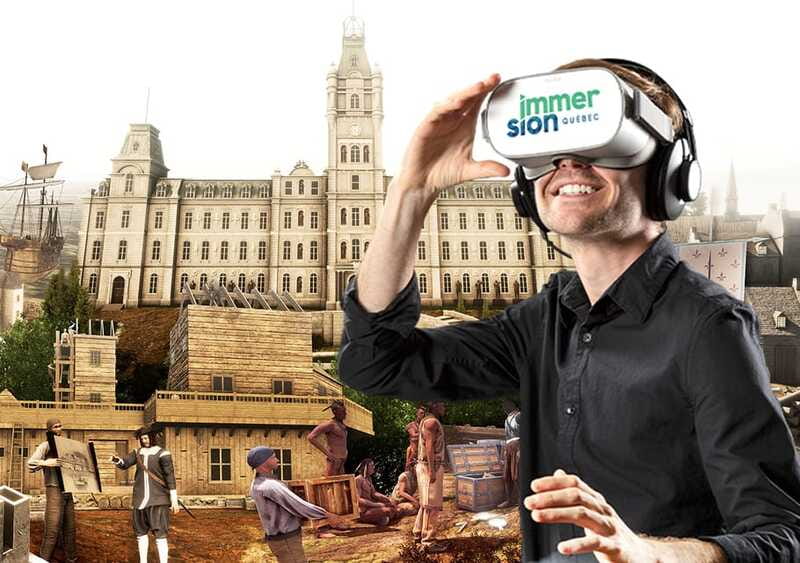
At $19 per person, this is reasonably priced for a 40-minute indoor attraction in Quebec City. You are paying for a prepared audiovisual production, a headset, an audio option, and access to a presentation built around extensive research and programming.
The price looks strongest when you want a short activity with a clear purpose. It can fill a gap in your schedule, give you historical context before sightseeing, or provide an indoor break without committing to a large museum. The small-group format adds value because you are not simply watching a public video in a crowded room.
The calculation changes if you are mainly looking for advanced VR technology. The comments about blurry images and dated presentation suggest that the visual quality may not satisfy someone expecting crisp, modern graphics. In that case, the $19 buys historical storytelling more than technological spectacle.
I see the best value for first-time visitors who want an overview, families seeking a manageable history activity, and people with limited time. It is less compelling for someone who already knows Quebec City’s story well or wants original objects, detailed scholarship, and long museum displays.
Who should book this experience?
I would recommend it to you if you like history but prefer it presented through images and action. The battle reenactments can make difficult events easier to follow, and the 40-minute format does not demand a full afternoon.
It also suits people who want to remain seated. Since the entire activity happens from a chair, you can enjoy it without another walking tour or physically demanding attraction. That makes it a useful option during a busy city break.
Families may appreciate the mix of education and entertainment. The animated scenes offer more movement than a traditional lecture, while the selected moments keep the story from becoming too dense. Younger children may not absorb every historical detail, but the visual format gives them something concrete to watch.
I would be more cautious if you are sensitive to headset technology, expect perfectly sharp images, or need especially clear narration. The sound and image concerns are not reasons to reject the activity automatically, but they are worth considering before you book.
Planning the activity into your Quebec City day
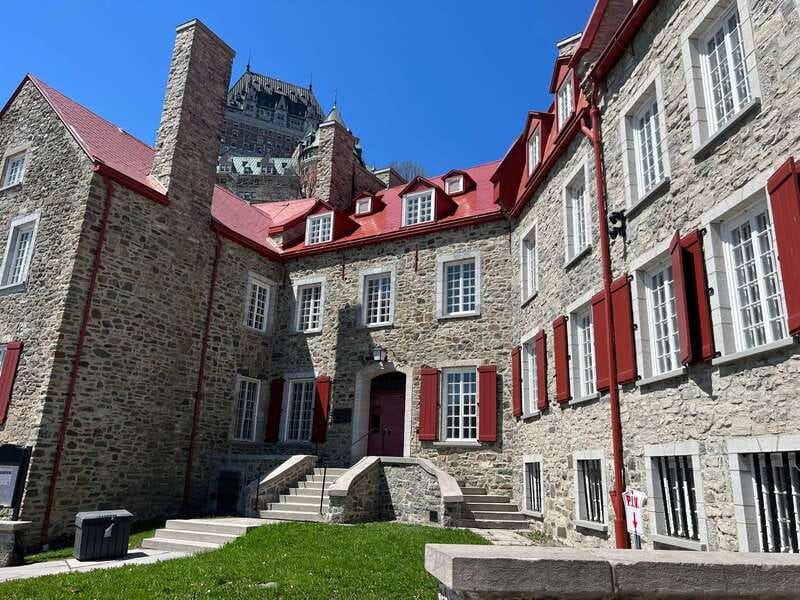
The attraction’s Old Quebec location makes it easy to pair with sightseeing in the historic center. You can schedule it before visiting nearby streets and landmarks, using the presentation as a primer, or place it later as an indoor pause.
Allow the stated 40 minutes for the presentation itself. Starting times vary, so check availability when selecting your booking. Since the activity is seated and the group is small, it should be easier to plan around than an open-ended walking tour.
You can reserve now and pay later, which helps if your schedule is still changing. Free cancellation is available up to 24 hours in advance for a full refund. Those policies are useful in Quebec City, where weather and changing plans can affect a day of sightseeing.
The attraction also offers skip-the-ticket-line access. That does not make the experience longer, but it can save time when you have several Old Quebec stops planned.
Final verdict: should you book it?
Book this experience if you want a short, affordable introduction to Quebec City’s past, especially if battle scenes, visual storytelling, and a seated format appeal to you. The historic Maison Chevalier setting and four centuries of subject matter give the activity a clear sense of purpose.
Go in expecting a 40-minute historical presentation with VR features, not a brand-new video game or a full museum replacement. The images may look soft in places, and loud music could affect the narration, but the program still offers a useful way to understand why Quebec City matters.
At $19, I think it is a sensible choice for first-time visitors with room in their schedule. If your priority is the newest technology, you may want to skip it. If your priority is getting the story of Quebec City in a compact, entertaining format, it earns its place.
FAQ
Where does Quebec City’s History in Virtual Reality take place?
It takes place in the vaults of Maison Chevalier, a historic building dating back to 1752. The entrance to Immersion Quebec is the door on the left near the sidewalk.
How long does the experience last?
The experience lasts 40 minutes.
How much does it cost?
The listed price is $19 per person.
Do I have to walk during the activity?
No. You remain seated throughout the experience.
What languages are available?
The instructor languages are English and French. The included audio guide is available in Spanish, Chinese, English, and French.
What is included in the price?
A virtual reality headset is included.
Can I cancel my booking?
Yes. You can cancel up to 24 hours in advance for a full refund. You can also reserve now and pay later.
Just added around Canada
- Vancouver Rainforest Hike with Waterfalls, Suspension Bridge, Old Growth Forest★ 5.0 · 94 reviews
- Vancouver Signature Highlights Open Air Roadster Tour★ 5.0 · 7 reviews
- Shore Excursion: Vancouver & Granville Island City Sights Tour★ 5.0 · 7 reviews
- Private Tour: Vancouver Sightseeing and Capilano Suspension Bridge★ 4.5 · 42 reviews
- Vancouver Old Town Treasure Hunt: Self-Guided Walking Game★ 4.5 · 12 reviews
- Vancouver 1-Day Tour (Granville Island/Stanley Park) (Chn&Eng)★ 4.5 · 9 reviews
- Vancouver Local Taste Trail★ 5.0 · 33 reviews
- Vancouver Lookout Admission Ticket★ 4.0 · 185 reviews
Historical Tours, compared.




Evening Gourmet Tour 5 Course Dinner – History and Food in Old Quebec City
Read our review →


Browse the lists this tour appears in