
Reviewed · WHALE WATCHING
Port Hardy: Sea Otter and Whale Watching
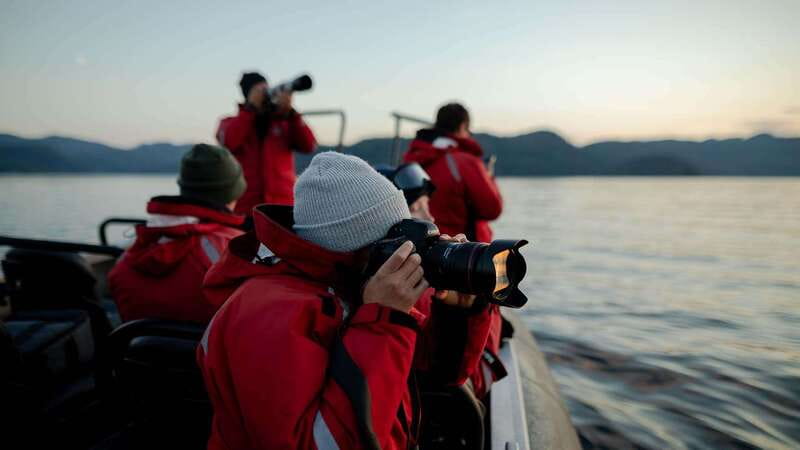
Wildlife watching feels different from a small boat. This Port Hardy trip takes you into northern Vancouver Island waters aboard a custom 12-passenger RHIB, giving you a real shot at covering wide stretches of coast. I like the suspension seats, which soften the impact of waves, and the fact that lunch, hot drinks, flotation suits, hats, binoculars, and an onboard toilet are included. The main caution is simple: this is a fast, open-water trip, so it is not a good match for anyone with serious back trouble or a strong tendency toward seasickness.
I also like the hydrophone, which lets you listen for whale sounds rather than only watching for a blow or fin. The guides work in Kwakwakaʼwakw First Nations’ traditional waters and bring local knowledge to the search. August can bring thick fog, sometimes nicknamed Fogust, so your views may be muted even when the wildlife action is excellent.
- Custom 12-passenger RHIB: Individual shock-mitigating seats make the high-speed ride more comfortable than a standard zodiac bench.
- Wide search area: The fast boat can cover a large stretch of northern Vancouver Island’s coast during the 330-minute outing.
- Whale sounds onboard: A hydrophone adds an underwater listening experience to the usual sight-based whale watching.
- Warm equipment supplied: Two-piece flotation suits, warm hats, binoculars, lunch, and hot drinks are provided.
- Local guiding: English-speaking driver-naturalists share information about the animals and the waters around Port Hardy.
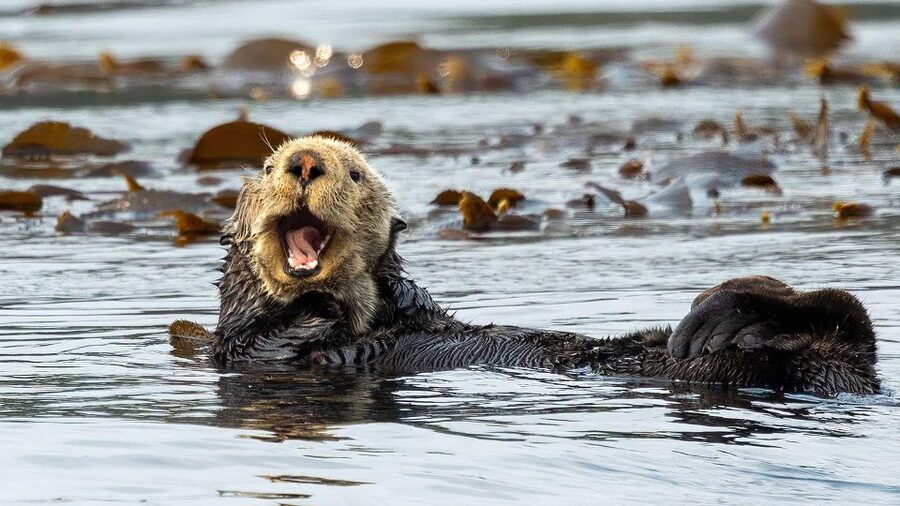
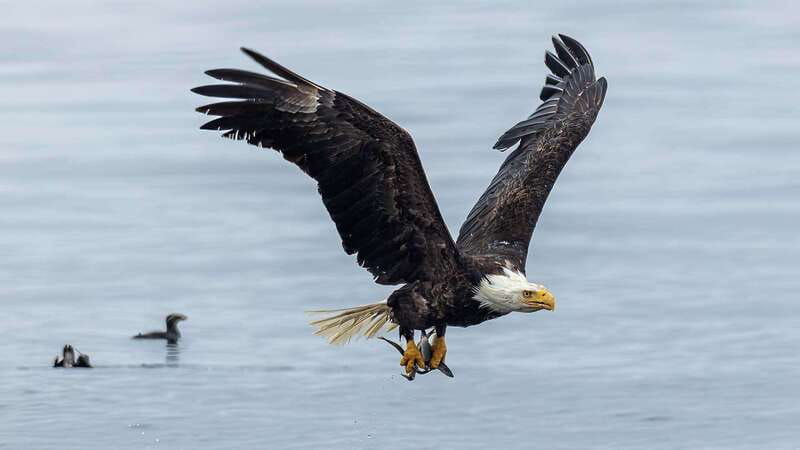
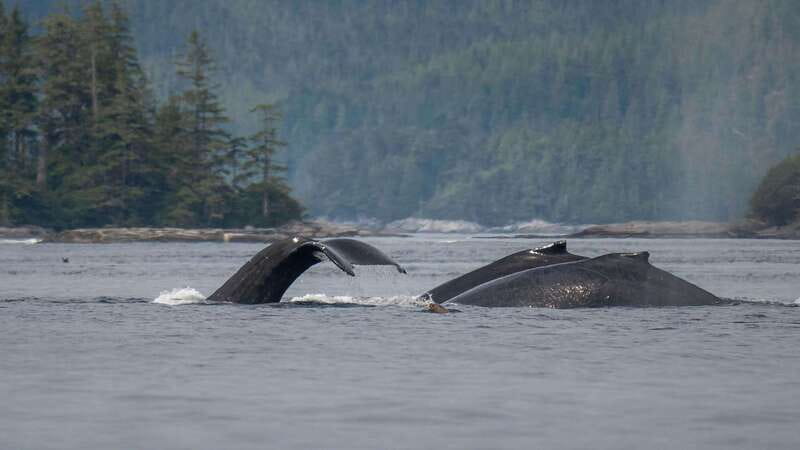
- Wildlife photography: Sea otters, whales, orcas, and other marine life can all appear, but no species is promised on every departure.
In This Review
- Port Hardy to the Open Water
- Why the Suspension Seats Matter
- Searching for Sea Otters, Orcas, and Whales
- Listening Through the Hydrophone
- The Role of the Local Guides
- Lunch, Hot Drinks, and Five and a Half Hours Afloat
- Fog, Weather, and the Limits of Photography
- Is $276 a Fair Price?
- Who Should Book This Port Hardy Trip?
- Booking Details That Matter
- Should You Book It?
- FAQ
- How long does the Port Hardy sea otter and whale watching tour last?
- Where does the tour meet?
- What is included in the price?
- Are wildlife sightings guaranteed?
- Is the tour suitable for people with back problems or seasickness?
- What should I bring?
Port Hardy to the Open Water
Your day begins at Coastal Rainforest Safaris’ office at 7185 Market Street in Port Hardy. Arrive 30 minutes before departure. That extra time is used to sign a waiver and get fitted with a two-piece flotation suit, so arriving late could make the start feel rushed.
The meeting point is practical rather than fancy. Port Hardy is a working community at the northern end of Vancouver Island, and this trip quickly takes you away from ordinary town life. Once you leave the office, the focus shifts to open water, remote shorelines, and the possibility of finding animals where they naturally feed and travel.
The boat carries only 12 passengers. That small capacity matters. You are not packed into a large cabin with rows of seats, and you should have a better chance of seeing around the people in front of you. It also gives the guide a more personal setting for questions and wildlife explanations.
The boat is a rigid-hull inflatable boat, or RHIB. It is built for speed, which helps the crew search more territory than a slower sightseeing vessel could manage in the same five and a half hours. The tradeoff is exposure to the elements. You are outside in a boat designed for movement, not a quiet indoor cruise.
Why the Suspension Seats Matter
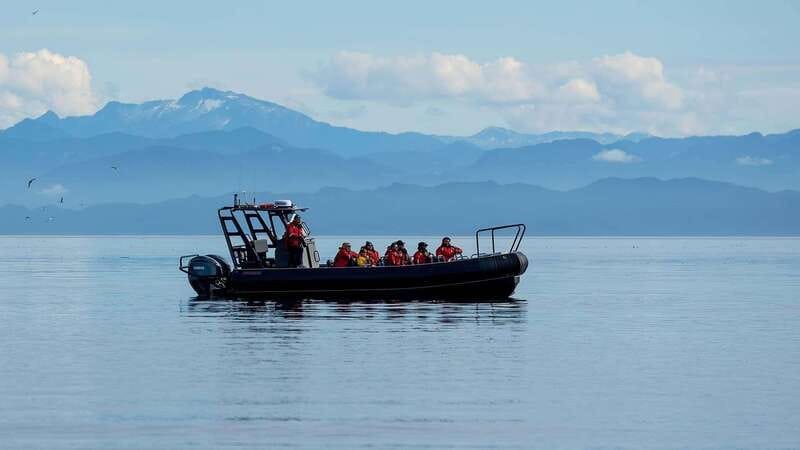
The boat’s seating is one of the strongest practical features. Instead of sitting on a fixed bench, each person gets an individual seat mounted on a shock-mitigating suspension platform. That design helps reduce the jolt from waves and the strain that can build during a long ride.
You should still expect motion. The suspension system does not turn the sea into a calm road, and the trip is specifically not suitable for people with back problems or those prone to seasickness. Still, the setup is a meaningful improvement over a basic zodiac, especially when the boat is moving quickly between wildlife areas.
Wear warm clothing underneath the supplied flotation suit. Bring layers rather than relying only on a heavy jacket, since conditions can change quickly on the water. A warm hat is supplied, but your own gloves and extra base layer may make the ride more comfortable.
The guides provide binoculars, which saves you from carrying your own pair. You can also bring a camera, but keep it secure and easy to handle. Large tripods are not allowed, and the moving boat makes a long lens harder to use than you might expect. A compact camera or phone with a wrist strap is more practical.
More Whale Watching in Canada:
- Vancouver Half-Day Whale Watching Adventure with Free Photos
★ 5.0 · 5,000 reviews - Tadoussac/Charlevoix: Whale Watching Zodiac Tour
★ 4.3 · 2,716 reviews - Vancouver: Covered Whale Watching Adventure with Free Photos
★ 4.8 · 2,260 reviews
Searching for Sea Otters, Orcas, and Whales
The exact route depends on wildlife and sea conditions. This is not a stop-by-stop cruise with fixed landing points. The crew uses the boat’s speed and their experience in local waters to look across a broad area.
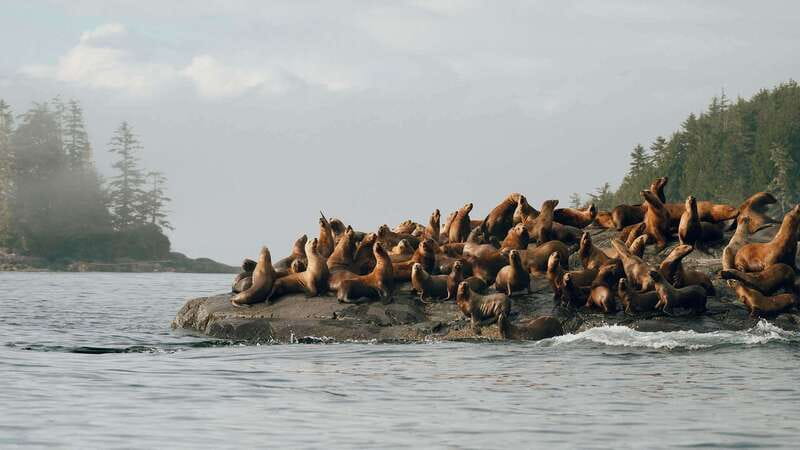
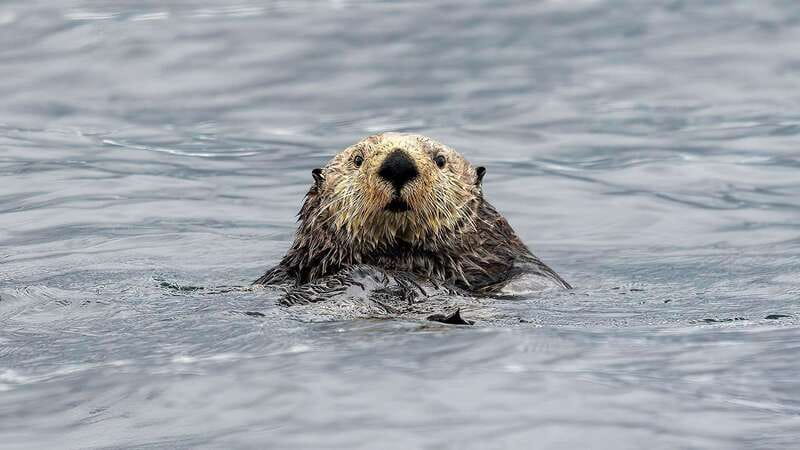
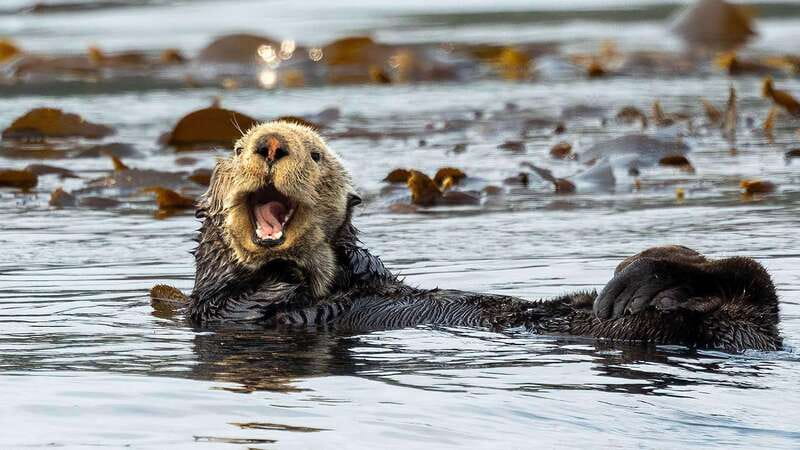
Sea otters are one of the hoped-for highlights. They can be small against the scale of the water, so binoculars are useful. If one appears near the boat, you may see a dark head, floating body, or a quick movement across the surface. Otters are not guaranteed, but the search itself keeps your attention moving between open water, kelp areas, and the shoreline.
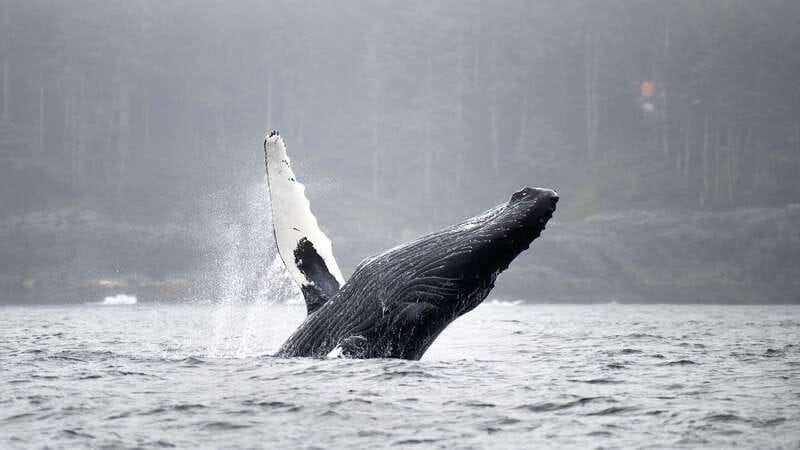
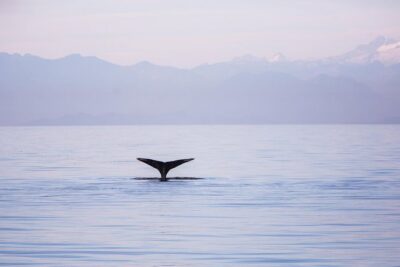
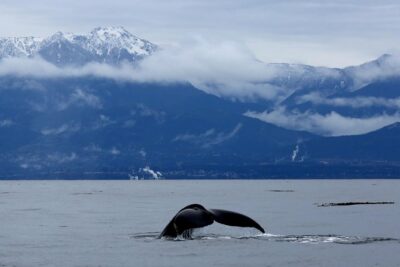
Whales are the larger prize, and the trip can include different kinds of marine life. Orca sightings are possible, and several recent outings had especially strong encounters, including one in poor weather with a large number of orcas. That should encourage you, but it should not be treated as a promise. Wildlife follows food and tides, not a tour timetable.
The crew cannot guarantee every species on every trip. That honesty is important. You are paying for skilled searching in a productive marine area, not for a staged animal show. Some departures may bring many sightings. Others may offer more distant views, brief appearances, or long periods spent looking.
That uncertainty is part of the value for some people and a frustration for others. If you need a guaranteed list of animals, this may not suit you. If you appreciate wild creatures behaving on their own terms, the format feels more genuine.
Listening Through the Hydrophone
The hydrophone gives the trip another layer. Instead of waiting silently for a whale to surface, you may listen for sounds beneath the boat. This can help you understand that the ocean is active even when the surface looks empty.
You might hear whale calls or other underwater sounds, depending on what is nearby and whether conditions allow the equipment to pick them up. The guide can explain what you are hearing and connect those sounds to the animals you are watching.
For children and first-time whale watchers, the hydrophone can be especially useful. It turns a quiet stretch of water into part of the experience rather than dead time. For photographers, it also provides something memorable when visibility is limited by fog or overcast weather.
The hydrophone does not replace seeing an animal. It adds context. A whale surfacing beside the boat is still the big moment, but listening helps you pay attention to the water between sightings.
The Role of the Local Guides
The guide is more than a driver. The trip includes an English-speaking local driver-naturalist, and the staff are connected to the Indigenous communities and traditional waters of the region. That local setting gives the outing a stronger sense of place than a generic wildlife trip could provide.
You can expect explanations about the animals, the surrounding waters, and responsible ways to approach wildlife. One guide identified as AJ has been praised for getting close to nature while still making the setting feel remote and undisturbed. That balance is important. The best wildlife outing does not simply chase animals for a closer photograph.
Guiding quality can shape the whole day. A good guide keeps you informed during quiet periods, answers questions, watches sea conditions, and helps everyone understand what they are seeing. The staff on this trip are repeatedly described as friendly, attentive, and well prepared.
The Indigenous connection is also worth treating with respect. You are not simply passing through a scenic backdrop. You are traveling through traditional Kwakwakaʼwakw lands and waters. The guide’s role helps connect the wildlife experience to the place itself.
Still Canada, at a slower pace:
- Quebec City Walking Tour
★ 5.0 · 4,716 reviews - Niagara Falls: Premium Tour, Boat & Journey Behind the Falls
★ 4.8 · 4,207 reviews - Banff: Banff Gondola Admission Ticket
★ 4.7 · 3,698 reviews - Toronto: Niagara Falls Day Tour with Optional Boat Cruise
★ 4.6 · 3,178 reviews
Lunch, Hot Drinks, and Five and a Half Hours Afloat
The trip lasts 330 minutes, or five and a half hours. That is long enough to search a substantial area, but it also means comfort and food matter. Lunch and hot drinks are included, which saves you from packing a full meal and gives you a warm break during the day.
The food has been praised as a strong part of the outing. Exact menu details are not provided, so you should not plan around a particular dish, but the inclusion is useful. A long boat trip feels much better when you do not have to manage hunger while watching the sea.
An onboard toilet is another small feature that becomes important over five hours. You do not need to wait for the boat to return to shore, and the facility reduces one common worry about a full-day wildlife trip.
Still, prepare for a day outdoors. Bring warm clothing, even if Port Hardy feels mild when you leave the office. Fog, wind, spray, and changing temperatures can make the water feel much colder than town.
Fog, Weather, and the Limits of Photography
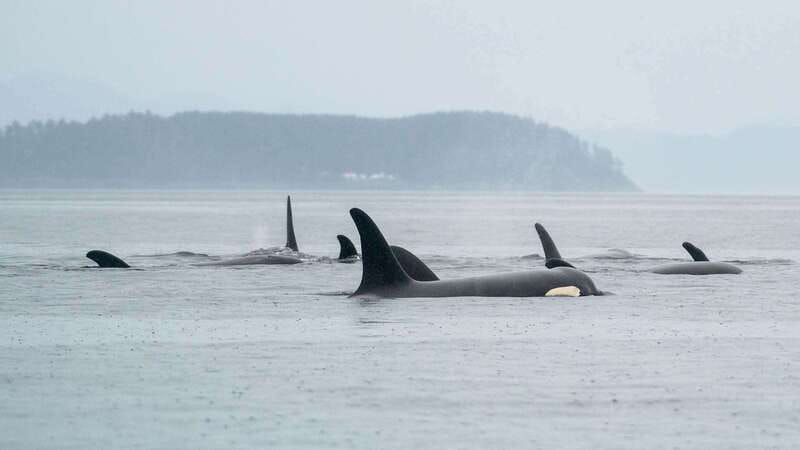
Northern Vancouver Island weather can change the character of the trip. Fog may obscure distant shorelines and make animals harder to spot. In August, thick fog is common enough to earn the local nickname Fogust.
Bad weather does not automatically mean a poor outing. One recent trip in unpleasant conditions still produced remarkable orca sightings. But fog can reduce the range of your eyes and camera, and the views may feel less dramatic than they would on a clear day.
You should also keep your expectations realistic about photographs. Wildlife photography opportunities are plentiful in theory, but the boat moves, animals surface unpredictably, and light can be soft or poor. A fast shutter speed, a secure camera strap, and patience will help more than a bulky setup.
Tripods are not allowed. Drones are also prohibited, along with smoking, pets, strong fragrances, and bare feet. These rules support safety and comfort in a small boat. Strong scents can be unpleasant in close quarters, and drones would disturb wildlife and interfere with the group.
Is $276 a Fair Price?
At $276 per person, this is not a cheap afternoon activity. The value depends on what you want from Port Hardy and how much you care about the boat and guiding setup.
The price includes five and a half hours on the water, a fully guided outing, local driver-naturalist service, flotation clothing, warm hats, binoculars, lunch, hot drinks, a hydrophone, and an onboard toilet. The small 12-person boat and specialized suspension seats also matter. You are paying for equipment and access, not only for time.
The broad search range improves your odds compared with a slower vessel that covers less water. It does not guarantee wildlife, but it gives the crew more room to look. That is a sensible use of the price when animal sightings are your main reason for booking.
I would consider the cost fair for serious wildlife watchers, photographers, and anyone with only a short stay in Port Hardy. It is harder to justify if you are mainly looking for a relaxed scenic cruise or dislike cold, wet conditions.
The excellent overall rating, based on 19 ratings, supports the idea that the service and equipment deliver good value. Still, an excellent rating cannot remove the basic risk of nature-based travel: the animals choose the schedule.
Who Should Book This Port Hardy Trip?
This outing suits you best if you:
- Want a small-group wildlife experience rather than a large boat tour
- Are excited by sea otters, whales, orcas, and other marine life
- Like the idea of listening to whales with a hydrophone
- Can handle five and a half hours on open water
- Value local guides and a respectful approach to wildlife
- Enjoy photography but can work without a tripod
- Are prepared to dress warmly in changing weather
You may want another activity if you have back problems or are prone to seasickness. The fast RHIB and open-water conditions are central to the experience, not minor details.
Families and older adults should think about comfort individually. The suspension seats help, but the tour remains an active boat outing. Pets are not allowed, and the operator lists several restrictions that reflect the limited space and wildlife setting.
Booking Details That Matter
The departure point is 7185 Market Street in Port Hardy, at Coastal Rainforest Safaris’ office. Arrive 30 minutes early for the flotation suit fitting and waiver.
The tour is offered in English with a live guide. You can cancel up to 24 hours before departure for a full refund, and reserve now while paying later, which gives you some flexibility while planning a northern Vancouver Island trip.
Starting times vary, so check availability for the date you want. The listed duration is 330 minutes, but you should treat it as most of a day once you add the early arrival and the time needed to get dressed afterward.
Should You Book It?
I would book this trip if wildlife is high on your Port Hardy list and you want a small, fast boat that can cover serious ground. The suspension seats, warm gear, lunch, binoculars, hydrophone, and toilet remove many of the usual practical annoyances.
The best reason to choose it is the combination of local guiding and wild conditions. You may see sea otters, whales, orcas, and more. You may also spend time scanning foggy water. That is the honest bargain: a strong chance at remarkable encounters, with no artificial guarantee.
If you can accept cold weather, motion, and uncertainty, $276 buys a well-equipped five-and-a-half-hour search through one of British Columbia’s most remote marine areas. If you need calm water, guaranteed sightings, or an indoor sightseeing boat, choose something gentler.
FAQ
How long does the Port Hardy sea otter and whale watching tour last?
The tour lasts 330 minutes, which is five and a half hours. You should also arrive 30 minutes before departure for flotation suit fitting and signing a waiver.
Where does the tour meet?
Meet at Coastal Rainforest Safaris’ office at 7185 Market Street in Port Hardy. Arrive 30 minutes before the scheduled departure.
What is included in the price?
The tour includes guided wildlife watching, a local driver-naturalist, two-piece flotation suits, warm hats, binoculars, lunch, hot drinks, a hydrophone, and an onboard toilet.
Are wildlife sightings guaranteed?
No. The operator cannot guarantee sightings of every species on every trip. The boat can cover a wide area, and the guides know the local waters, but wildlife remains unpredictable.
Is the tour suitable for people with back problems or seasickness?
No. The activity is listed as unsuitable for people with back problems and people prone to seasickness. The boat has suspension seats, but it is still a high-speed open-water trip.
What should I bring?
Bring warm clothing. Pets, smoking, drones, tripods, strong fragrances, and bare feet are not allowed.
Just added around Canada
- Vancouver Rainforest Hike with Waterfalls, Suspension Bridge, Old Growth Forest★ 5.0 · 94 reviews
- Vancouver Signature Highlights Open Air Roadster Tour★ 5.0 · 7 reviews
- Shore Excursion: Vancouver & Granville Island City Sights Tour★ 5.0 · 7 reviews
- Private Tour: Vancouver Sightseeing and Capilano Suspension Bridge★ 4.5 · 42 reviews
- Vancouver Old Town Treasure Hunt: Self-Guided Walking Game★ 4.5 · 12 reviews
- Vancouver 1-Day Tour (Granville Island/Stanley Park) (Chn&Eng)★ 4.5 · 9 reviews
- Vancouver Local Taste Trail★ 5.0 · 33 reviews
- Vancouver Lookout Admission Ticket★ 4.0 · 185 reviews
Whale Watching, compared.
Vancouver Half-Day Whale Watching Adventure with Free Photos
Read our review →
Tadoussac/Charlevoix: Whale Watching Zodiac Tour
Read our review →
Covered Whale Watching Adventure with Free Photos
Read our review →
Victoria Half-Day Whale Watching Adventure with Free Photos
Read our review →
Tadoussac/Charlevoix: 3-Hour Whale Watching Boat Tour
Read our review →
Browse the lists this tour appears in