
Reviewed · JASPER TOURS
Jasper: Jasper Planetarium and Telescope Combo Tour Tickets
Look up, and Jasper gets much bigger. This 90-minute experience pairs a planetarium show with an outdoor telescope session, giving you a useful mix of local Indigenous sky stories, astronomy, and real night-sky viewing. I especially like the chance to handle meteorites, Moon rock, and Mars rock, plus the friendly guides who take time with questions. The main catch is weather: clouds can hide Jupiter, Saturn, or the stars, and the outdoor portion can feel cold.
The $61 price is fair if you value both parts of the program and arrive with realistic expectations. You are not buying a guaranteed parade of planets. You are buying an organized introduction to Jasper’s dark skies, with a strong backup plan when the Rockies deliver clouds instead of stars.
In This Review
- Five things to know before you book
- Starting at Jasper Park Lodge
- The planetarium dome and the wide view of space
- Hands-on space rocks and the Aurora Borealis
- The telescopes: the best part on a clear night
- What happens when clouds roll in
- How the tour feels in different seasons
- The guides make the difference
- Is $61 a good value?
- Who will enjoy this most?
- Booking advice for the best chance of stars
- Should you book the Jasper Planetarium and Telescope Combo?
- FAQ
- How long does the Jasper Planetarium and Telescope Combo Tour last?
- Where do I check in?
- What should I wear?
- What happens if the sky is cloudy?
- Can children attend?
- Can I cancel my booking?
Five things to know before you book
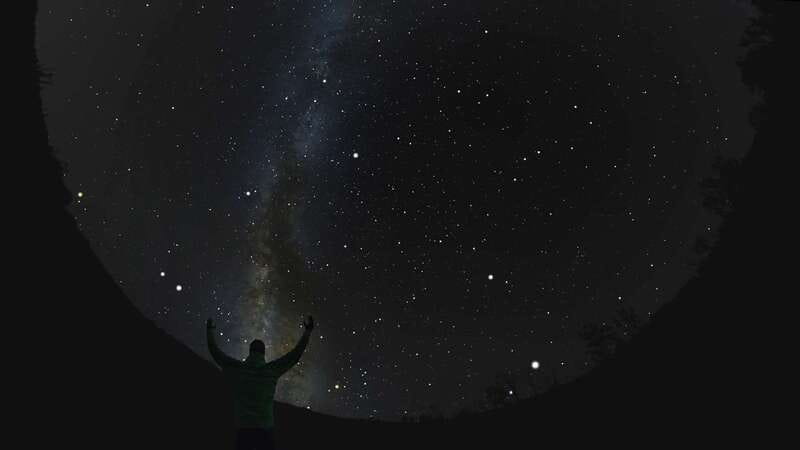
- The tour starts under a dome: You learn about First Nations constellations, the Milky Way, and the edge of the universe before heading outdoors.
- Real space rocks are part of the program: You can touch meteorites, a Moon rock, and a Mars rock during the indoor astronomy presentation.
- Timing matters: Choose a departure after sunset for the best chance of seeing planets and deep-space objects.
- Clouds do not cancel the experience: You receive a two-year telescope-tour rain check, and the cloudy-day program uses 4K images and video telescope captures.
- Winter requires serious layers: The outdoor telescope section can feel cold, especially when you are standing still.
- The telescope session is strongest on a clear night: On a wet or cloudy evening, the planetarium may be the better half of the tour.
Starting at Jasper Park Lodge
You check in at the Planetarium Retail Desk inside the Main Lodge at Jasper Park Lodge. Enter through the doors opposite the P1 parking lot, marked Shops and Spa, then walk through the lobby. The desk is in the southwest corner, across from the Emerald Lounge.
Arrive 15 minutes before departure. This is not a casual suggestion. Late arrivals are not admitted because they interrupt the program, and you may be moved to the next available tour, possibly on another day.
If you drive, parking is available in P2, P3, or P4. P2 is the closest to the planetarium. Free parking adds a little value to the $61 ticket, particularly if you are already staying in Jasper and have a car.
The indoor starting point makes the tour simple to find, but the lodge setting may not match your image of a purpose-built observatory. One visitor found the structure less impressive than expected, though the staff made up for it with personal attention. That is a useful way to frame the experience: the people and the program matter more than polished architecture.
A few more Jasper trips worth comparing
- Jasper: Columbia Icefield Skywalk and Ice Explorer Ticket
★ 4.6 · 2,444 reviews - Jasper National Park: Maligne Lake Cruise With Guide
★ 4.7 · 896 reviews - Jasper Evening Wildlife Tour
★ 4.5 · 710 reviews
The planetarium dome and the wide view of space
The first section takes place inside the Planetarium Dome Theatre. You sit beneath a projected sky while the program moves from local First Nations constellations to the Milky Way and then out toward the edge of the universe.
That sequence gives the show a good sense of scale. You begin with the sky connected to the region and its cultures, then move outward into the wider universe. For a first introduction to astronomy, this is more helpful than starting with a list of technical facts.
I like that the show includes local First Nations star knowledge rather than treating the night sky as an abstract science lesson. It gives you a stronger sense of place. You are in the Canadian Rockies, not just inside a generic planetarium.
The presentation is designed for a broad age range, but there are a few practical limits. Children under four are not permitted in the dome theatre. The show is in English, and one visitor found the music sometimes made the speaker hard to hear. If you have trouble hearing, sit where you can clearly see the presenter and ask for help before the show begins.
The dome is also where the experience is most dependable. Clouds, rain, and moonlight do not affect the projected program. Even on a poor astronomy night, you still receive a complete introduction to the sky.
Hands-on space rocks and the Aurora Borealis
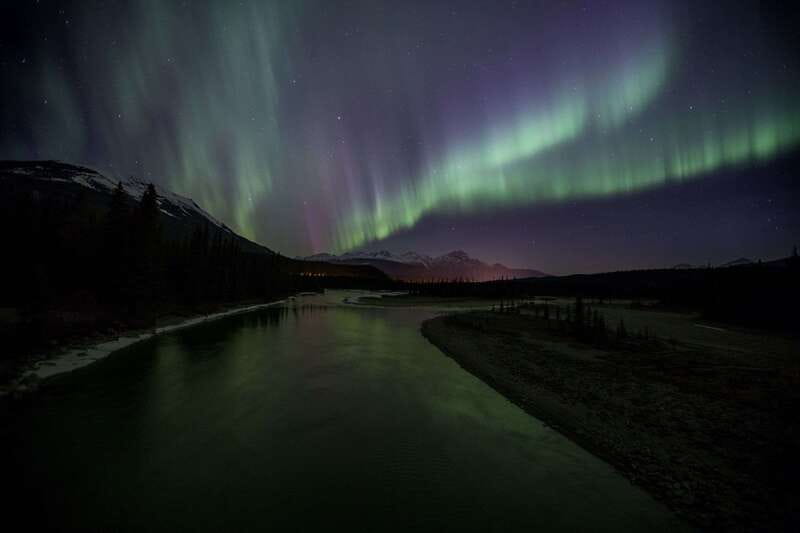
After the planetarium, the program shifts toward the science of the night sky. The cloudy-day presentation uses two pavilions to explain the Aurora Borealis, including how the lights form and how you can photograph auroras.
This part is valuable because aurora viewing often gets reduced to waiting outside and hoping. Here, you get some context for what you are seeing and practical information about photographing it. The supplied details do not promise that you will see the Northern Lights during your visit, so think of this as an aurora lesson rather than an aurora chase.
The hands-on objects add a welcome physical element. You can touch real meteorites, a Moon rock, and a Mars rock. That is more memorable than watching another projected image of a crater. A piece of Mars gives the solar system a surprising sense of closeness, even if it is only for a moment.
The guides also answer questions throughout the program. This is one of the tour’s strongest features. Several visitors praised the staff’s clear explanations, enthusiasm, and patience, and one person said the team’s excitement about Jasper and astronomy was contagious. That kind of energy matters in astronomy, where a good explanation can turn a cold wait beside a telescope into something worthwhile.
The telescopes: the best part on a clear night
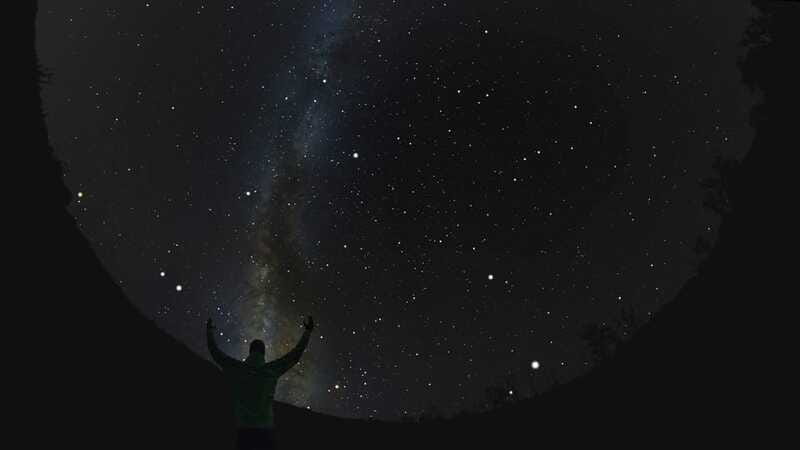
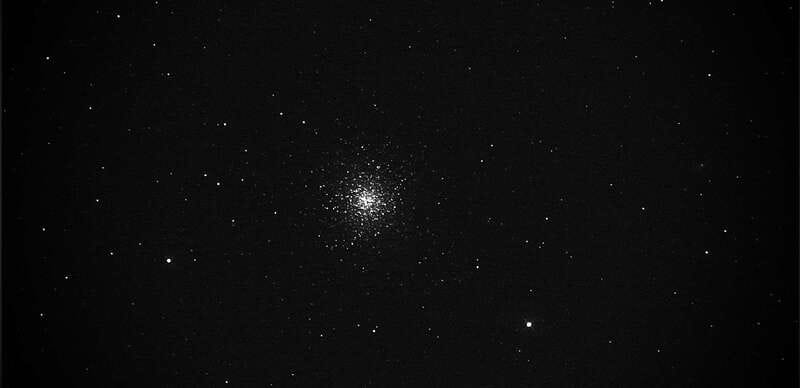
The outdoor section takes you to the largest and most powerful telescopes in the Rockies. The program describes the main instrument as North America’s most powerful telescope, and the tour includes access to optical telescopes when conditions allow.
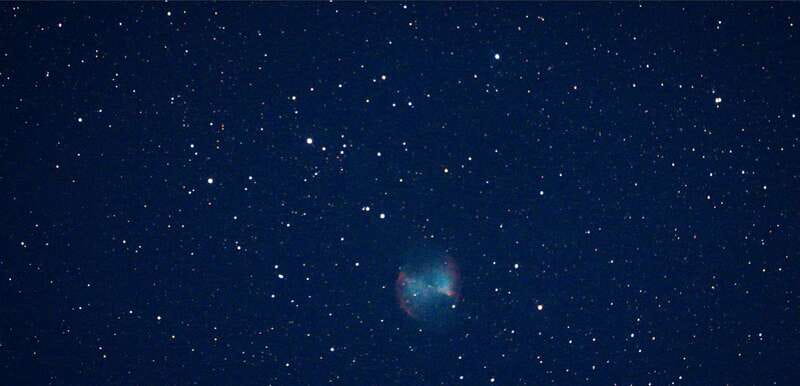
On a clear evening, this is where the $61 ticket earns its keep. You may look at planets, star clusters, nebulas, and other deep-space objects. Specific sightings depend on the date, season, darkness, and cloud cover. One visitor had great views of Saturn and star clusters, while another hoped to see Jupiter but found the sky uncooperative.
That uncertainty is part of astronomy. You should not book this as if it were a fixed theater show with guaranteed targets. The night sky changes, and weather in Jasper can shift quickly.
The timing of your reservation makes a real difference. Check the expected sunset time for your date and choose a departure after sunset. A time that starts before full darkness may limit what you can see, particularly in summer when evenings stay light for a long time.
Even after sunset, full darkness can vary. Summer dates may offer beautiful evening conditions but fewer dark-sky minutes. A clear winter night can be better for stargazing, but you need more clothing and patience in the cold.
The telescope guides explain how the instruments work, not just what you are looking at. That makes the session more rewarding. Instead of simply pointing at a bright object, they connect the view to the science behind it and respond to questions.
Still Jasper, at a slower pace:
- Jasper National Park: Evening or Morning Wildlife Watch Tour
★ 4.6 · 691 reviews - Jasper Wildlife & Sightseeing Tour with Maligne Lake Cruise
★ 5.0 · 603 reviews - Jasper SkyTram Roundtrip Flight Ticket
★ 4.7 · 567 reviews - Jasper: Wildlife and Sightseeing Tour with Maligne Cruise
★ 4.8 · 525 reviews
What happens when clouds roll in
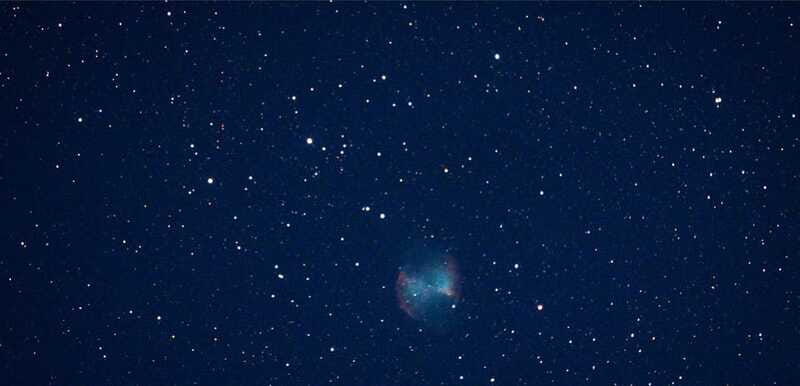
The Canadian Rockies do not follow your booking calendar. Cloud, rain, and changing conditions are common concerns, and the operator does not provide a refund simply because the sky is cloudy.
That policy is softened by a useful backup. If you cannot see the stars, the telescope portion comes with a two-year rain check at no extra charge. You can return for the telescope tour on a clearer night.
The cloudy-day program also continues rather than ending early. You visit the two pavilions, learn more about auroras, handle the Moon and Mars rocks, and see screen captures of deep-space objects recorded with the site’s own video telescope.
A 4K instant replay system can show past live views when clouds block the real sky. This is not identical to seeing Saturn through an optical telescope with your own eyes, and you should not pretend it is. One visitor found a rainy-night telescope session disappointing because the screen images repeated material from the planetarium. That is the main weakness of the backup plan.
Still, the weather policy is better than simply sending you away. You receive a full program, and the two-year return option gives you another chance. If clear skies are important to you, leave room in your Jasper schedule so you can use that rain check without rearranging your entire trip.
How the tour feels in different seasons
Jasper’s weather changes the character of this experience.
In winter, the air can be sharply cold, especially around the telescopes. Wear thermal layers, warm socks, gloves, and a hat. A regular sightseeing jacket may not be enough if you are outside for much of the telescope section. The activity is accessible to all ages, but young children and anyone sensitive to cold may enjoy the indoor portion more than a long wait outdoors.
Spring and autumn can bring a mix of clear skies, cloud, rain, and chilly air. Pack for changing conditions rather than trusting the afternoon forecast.
Summer offers more comfortable outdoor temperatures, but sunset comes late. Pick a start time that allows proper darkness. One June participant had limited darkness but still found the guides and program excellent. That is a good reminder that summer is not automatically the best season for stars.
The most important item is not a camera. It is weather-appropriate clothing. The activity does not include food or drinks, so eat beforehand and carry anything permitted by the venue rules before you check in.
The guides make the difference
The strongest praise for this experience centers on the guides. You get a live English-speaking tour, not just a recorded presentation. The staff explain astronomy, answer questions, discuss aurora photography, and keep the program moving when the weather fails.
That human element helps in two ways. First, it makes complex subjects easier to follow. Second, it prevents a cloudy evening from feeling like a total loss.
I would keep your expectations focused on a friendly, educational evening rather than a luxury attraction. The physical setup is fairly simple, with some portions taking place in tents or pavilions. A visitor liked the planetarium but found the show could be improved, while another enjoyed the guides but felt the outdoor telescope section was less satisfying in the cold.
The result is a tour with excellent staff and uneven conditions. On a clear night, the guides help you get more from the telescopes. On a cloudy night, they are the reason the experience remains worthwhile.
Is $61 a good value?
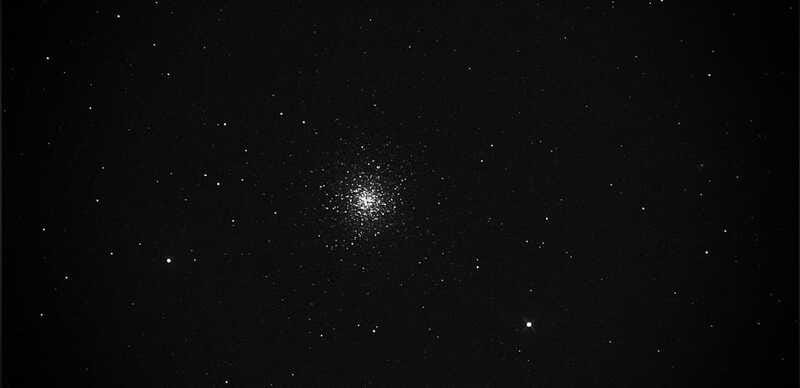
At $61 per person, the tour costs more than a basic planetarium admission, but you receive three distinct elements: the dome presentation, the outdoor telescope program, and the cloudy-day astronomy material with hands-on space rocks.
The value is strongest for first-time stargazers, families with older children, and anyone curious about astronomy but unsure how to plan an independent night under the stars. You do not need to know constellations or understand telescopes before arriving.
The price is harder to justify if you only want guaranteed telescope views. There is no guarantee of Saturn, Jupiter, the Milky Way, or any particular nebula. Weather, daylight, and cloud cover control the outdoor portion.
The two-year rain check improves the calculation. If your first night is cloudy and you have enough time in Jasper to return, the ticket gives you a second opportunity. If you are passing through for one evening only, the rain check may be less useful.
Free parking and the 90-minute length also help. The tour fits neatly into an evening without taking over your whole day. Just remember to leave time for check-in and do not cut it close.
Who will enjoy this most?
I would recommend this experience to:
- First-time stargazers who want guidance rather than a self-led sky chart
- Families with children aged four and older
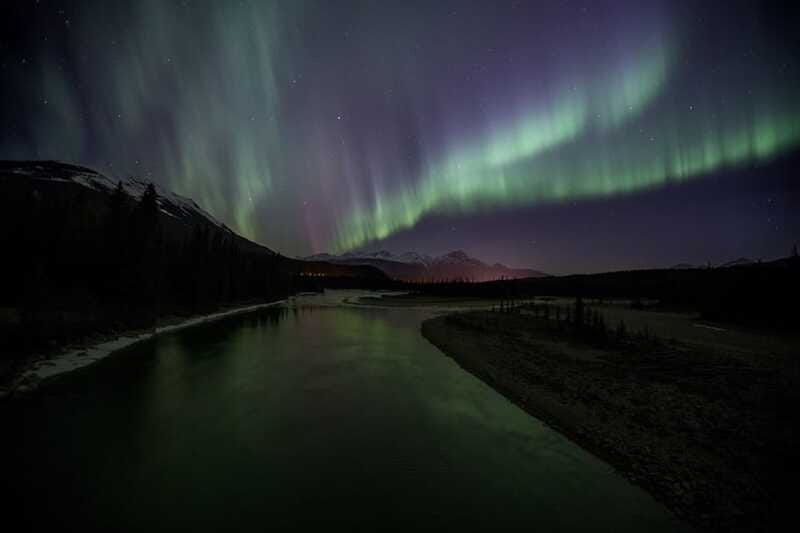
- Visitors interested in the Aurora Borealis and aurora photography
- Anyone who likes hands-on science, especially the Moon, Mars, and meteorites
- People staying long enough in Jasper to use the two-year rain check
- Photographers who want practical background on aurora conditions
You may want to skip it if you dislike cold outdoor activities, have only one narrow chance to see stars, or expect a polished observatory show regardless of weather.
Children under four cannot enter the Planetarium Dome Theatre. The tour is wheelchair accessible, but the supplied details do not describe every outdoor surface or telescope position, so contact the provider if you need specific access information.
Smoking, vaping, alcohol, drugs, intoxication, flash photography, photography inside, and audio recording are not allowed. Unaccompanied minors are also not permitted.
Booking advice for the best chance of stars
First, check the sunset time for your chosen date. Select a departure after sunset, especially from late spring through summer.
Second, look at the forecast, but do not treat it as a promise. Rocky Mountain weather can change quickly. If the sky turns cloudy, attend the backup program and decide later if you can use the rain check.
Third, plan your clothing before you leave your hotel. The cold feels stronger when you are standing still beside a telescope. Thermal layers are especially important in winter.
Finally, arrive early. Check in 15 minutes before departure at the retail desk inside the Main Lodge. A late arrival can cost you the session and may force you to wait until another date.
Should you book the Jasper Planetarium and Telescope Combo?
Book it if you want an accessible, well-guided introduction to Jasper’s sky and you can accept that nature controls the headline attraction. The planetarium, local First Nations constellations, aurora explanation, and real space rocks give you plenty to do even when clouds gather.
The strongest reason to go is the staff. Their enthusiasm and clear answers help turn a simple viewing session into a real astronomy lesson. The strongest reason to hesitate is the outdoor uncertainty. A cloudy night can make the telescope portion feel repetitive, and cold weather can blunt the fun.
My advice is to book after sunset, dress warmly, and leave a spare evening in your schedule if possible. On a clear night, you may see Saturn, star clusters, planets, and distant objects through powerful instruments. On a cloudy one, you still get a complete program and a two-year chance to try again.
FAQ
How long does the Jasper Planetarium and Telescope Combo Tour last?
The experience lasts 90 minutes.
Where do I check in?
Check in at the Planetarium Retail Desk inside the Main Lodge at Jasper Park Lodge. Enter through the doors opposite the P1 parking lot, marked Shops and Spa. The desk is in the southwest corner of the lobby, across from the Emerald Lounge.
What should I wear?
Wear clothing suitable for the weather. Thermal layers may be needed during winter because part of the experience takes place outdoors near the telescopes.
What happens if the sky is cloudy?
The cloudy-day program includes two pavilions with information about the Aurora Borealis, access to real Moon and Mars rocks, and 4K screen captures of deep-space objects recorded with the site’s video telescope. You also receive a two-year rain check for the telescope tour.
Can children attend?
The experience is open to all ages, but children under four are not permitted in the Planetarium Dome Theatre. Unaccompanied minors are not allowed.
Can I cancel my booking?
You can cancel up to 24 hours before the tour for a full refund. Within 24 hours, refunds are not provided, but you may be able to change your booking to another time.
Just added around Jasper
- Ultimate Jasper Nature Walk★ 4.5 · 9 reviews
- Planetarium and Telescope Combo Tour★ 4.0 · 144 reviews
- Whitewater Rafting on Jasper’s Fraser River★ 5.0 · 59 reviews
- Wild Current Canoe Adventure Join a small group★ 5.0 · 177 reviews
- Sunwapta Challenge Whitewater Rafting: Class III Rapids★ 5.0 · 139 reviews
- Winter Wildlife Discovery Tour★ 4.5 · 68 reviews
- Morning Jasper National Park Wildlife Tour★ 4.5 · 47 reviews
- Maligne Valley and Pleckaitis Icewalk★ 5.0 · 8 reviews
Jasper Tours, compared.
Columbia Icefield Skywalk and Ice Explorer Ticket
Read our review →
Jasper National Park: Maligne Lake Cruise With Guide
Read our review →
Jasper National Park: Evening or Morning Wildlife Watch Tour
Read our review →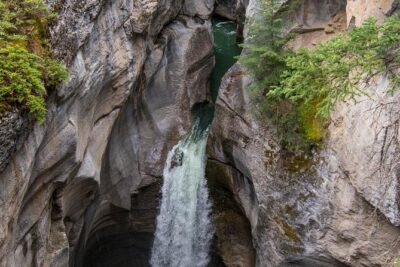
Jasper Wildlife & Sightseeing Tour with Maligne Lake Cruise
Read our review →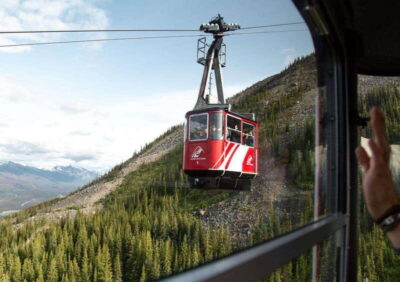
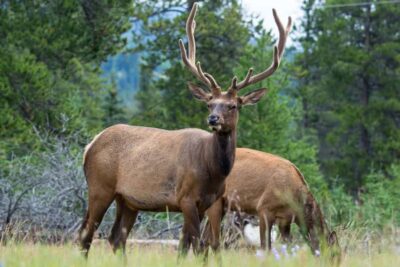
Wildlife and Sightseeing Tour with Maligne Cruise
Read our review →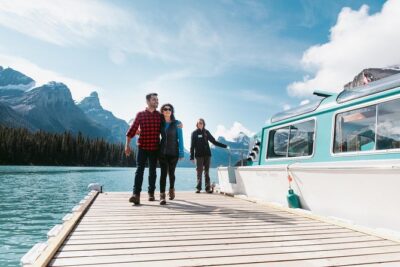
Browse the lists this tour appears in