
Reviewed · CRUISES & BOAT TOURS
Grosse-Île: Irish Immigrant Memorial Cruise & Tour
History begins at the water’s edge. This six-hour outing from Quebec combines a pleasant St. Lawrence River cruise with a guided visit to Grosse-Île, the former quarantine station that received immigrants to Canada from 1832 to 1937. I especially like the way the boat ride sets the scene before you reach the island, and the use of costumed characters makes the stories easier to picture.
The island tour is also well handled by Parks Canada guides. You’ll see preserved buildings, exhibits, memorials, and the places where immigrants were examined and treated. The main drawback is getting to the marina: parking can be hard to find, traffic may be heavy in summer, and one visitor found taxi costs higher than the tour itself.
- A six-hour history outing: The cruise and island visit make this a full half-day activity rather than a quick stop.
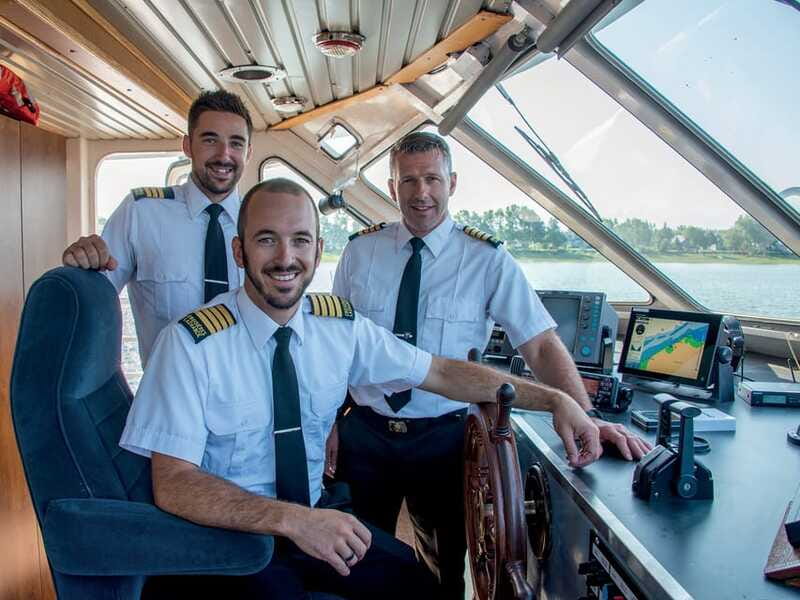
- Captain Lachance’s commentary: The captain explains the river, Grosse-Île, and his own connection to the island during the crossing.
- A former quarantine station: You follow the route taken by immigrants arriving in Canada between 1832 and 1937.
- Costumed interpreters: Characters from the island’s past turn dates and policies into personal stories.
- English and French guiding: The experience is offered in both languages, with especially strong feedback about the English explanations.
- Bring your own lunch: Food and drinks are not included, and there is no restaurant on Grosse-Île.
In This Review
- Why Grosse-Île Matters
- The St. Lawrence Cruise Sets the Tone
- Getting to the Marina Takes Planning
- Grosse-Île’s Quarantine Station
- Costumed Characters Make the Past Easier to See
- The Memorials and Family Connections
- The Island’s Views and Open Air
- Food, Timing, and What to Carry
- Is $73 a Fair Price?
- Who Will Get the Most From This Day?
- Booking Advice and Final Verdict
- FAQ
- How long does the Grosse-Île cruise and tour last?
- What is included in the price?
- Is food included?
- Can I pay with cash on the boat?
- Is the tour offered in English?
- Does the cruise operate in the rain?
- Is hotel pickup included?
- Is the tour suitable for wheelchair users?
Why Grosse-Île Matters
Grosse-Île is not simply a pretty island in the St. Lawrence. It was an entry point for many immigrants arriving in Canada, including people escaping the Irish Potato Famine. From 1832 to 1937, it served as a quarantine station where newcomers were inspected, treated, separated from their families, or sometimes buried.
That context gives the day its emotional weight. You are not looking at history from a distance. You are walking through the buildings and grounds used during a difficult stage of a long journey.
I find this especially meaningful if you have Irish or Canadian family connections. One visitor found the name Anne Derby, her great-great-great-grandmother, in one of the island’s books and on the glass memorial. That kind of moment can turn a general history tour into something very personal.
You do not need Irish ancestry to appreciate the visit. The island also helps explain how public health, immigration, religion, work, and family life collided at Canada’s gateway.
The St. Lawrence Cruise Sets the Tone
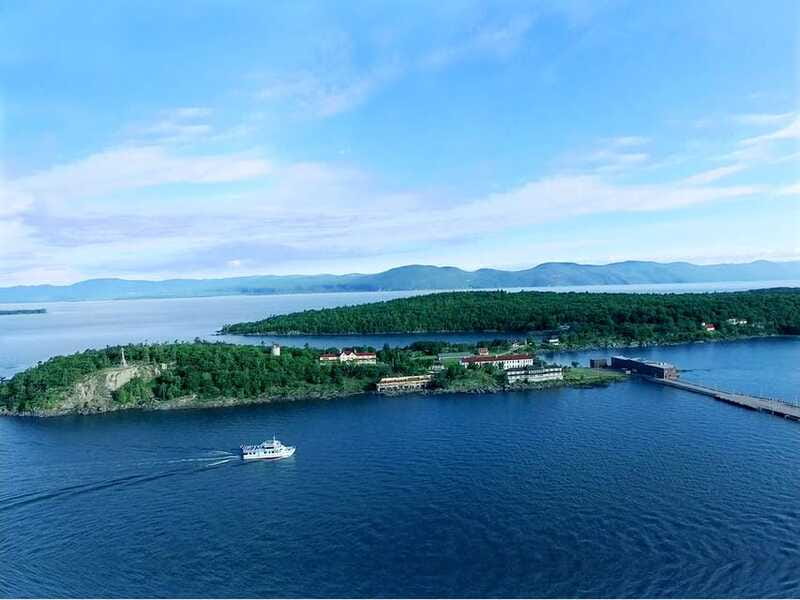
The trip begins with a cruise toward Grosse-Île. The river itself is part of the story. Before modern airports and highways, ships carried immigrants, goods, and news along this waterway. As you move toward the island, the route helps you understand why this location mattered.
I like that the crossing is more than transportation. Lachance captains provide commentary about the river and the island, and Captain Lachance has been praised for explaining the journey in English and for sharing his personal connection to Grosse-Île. That personal link gives the ride a human touch rather than making it feel like a simple ferry transfer.
The boat used in one account was the Lachance III. Depending on the departure and operating arrangements, details of the vessel may vary, so I would treat the boat ride as a scenic and informative part of the day rather than expecting a luxury cruise.
There is an enclosed area on board, which matters on a gray or rainy day. Cruises normally continue in rain unless conditions create a safety risk. You should still bring a rain jacket, since the best river views are likely to be from outside and the weather can change quickly.
The departure time may shift near the end of August and can vary with tides and weather. Check the current time before setting out, especially if you are arranging transportation to the marina.
More Boat Tours in Quebec City
- Québec City: Guided Sightseeing River Cruise
★ 4.4 · 3,000 reviews - Tadoussac/Charlevoix: 3-Hour Whale Watching Boat Tour
★ 4.2 · 2,179 reviews - Quebec City Guided Sightseeing Cruise
★ 4.0 · 894 reviews
Getting to the Marina Takes Planning
The marina is the least convenient part of the outing. Parking is difficult to find, and traffic can be heavy during the busiest months. I would arrive well before departure, not just a few minutes early.
If you are staying in Quebec City without a car, calculate your transportation costs before booking. A taxi may be practical, but one visitor found the ride to the marina cost more than the tour. The $73 tour price is attractive on its own, but the real total can rise once you add taxis, parking, or fuel.
This is also not a city-center walking tour. You need to reach the departure point yourself, and hotel pickup and drop-off are not included. A car can make the approach simpler, but you still need to allow time for traffic and parking.
Grosse-Île’s Quarantine Station
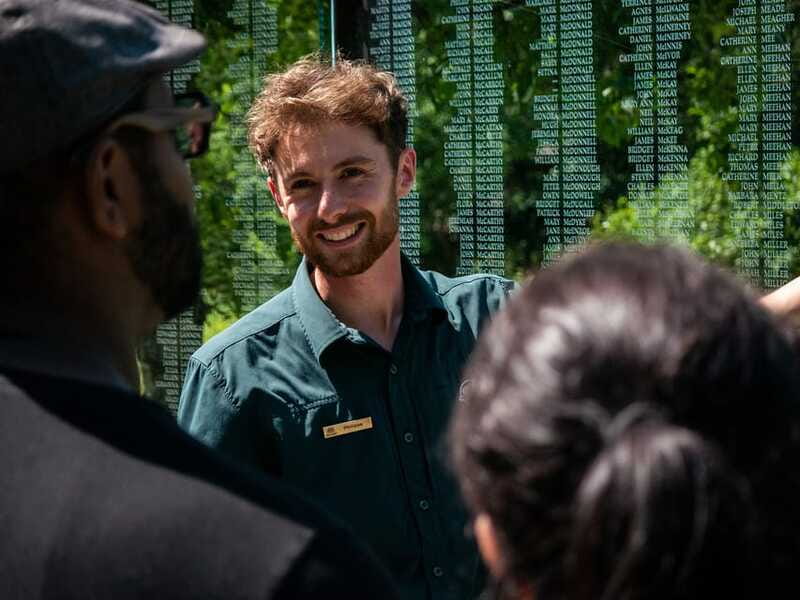
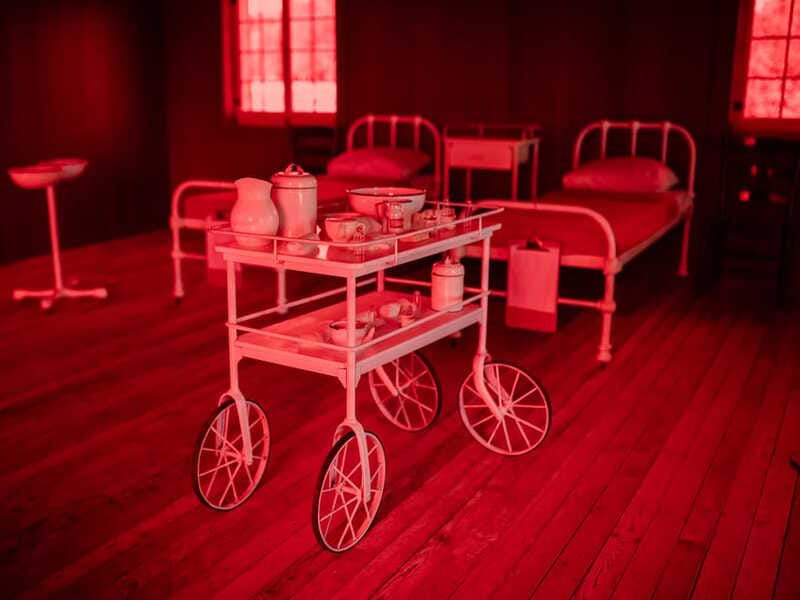
Once you reach the island, Parks Canada guides lead the visit. The focus is the former quarantine station and the people who passed through it. You’ll see preserved buildings and exhibits that explain how newcomers were processed, examined, and cared for.
The strongest part of the tour is the way it connects official systems to individual lives. The guides explain who worked at the station, how immigrants were treated, and what happened when disease was suspected. One account specifically highlights information about the Irish Potato Famine, the immigrants, the quarantine station, clothing disinfection, and the station’s employees.
Clothing disinfection is a small but revealing detail. It shows how authorities tried to limit disease, but it also reminds you that the people arriving were handled as a public health risk before they were treated as families seeking a new life. The island’s buildings make these policies easier to grasp than a museum label would.
The tour also addresses the human cost of the crossing. A visit here can be moving, particularly when the guides explain how immigrants faced illness, separation, uncertainty, and long waits before continuing into Canada.
The pace is organized and guided, which helps you cover the major sites during a limited visit. One visitor wished there had been more walking instead of using the trolley, so you should know that the day may include trolley transport around the island. That is useful for covering more ground, but it can feel less personal if you prefer to wander at your own pace.
Costumed Characters Make the Past Easier to See
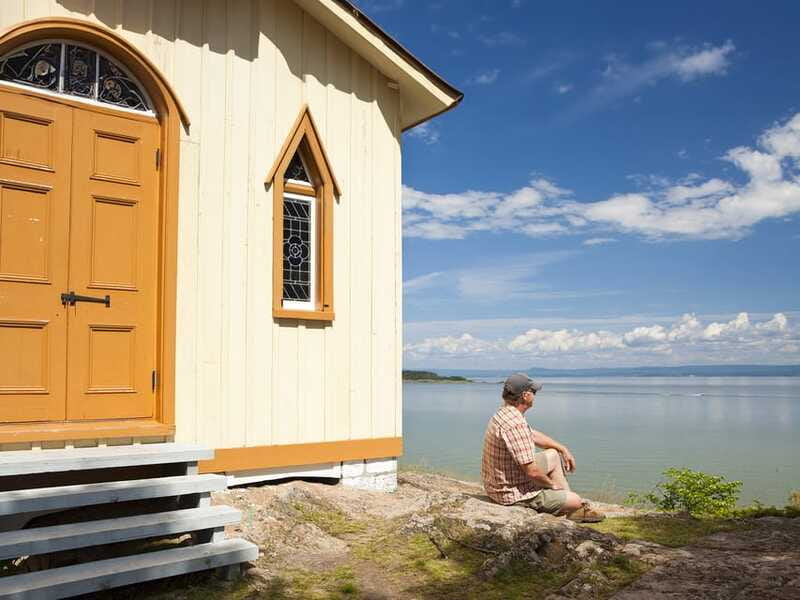
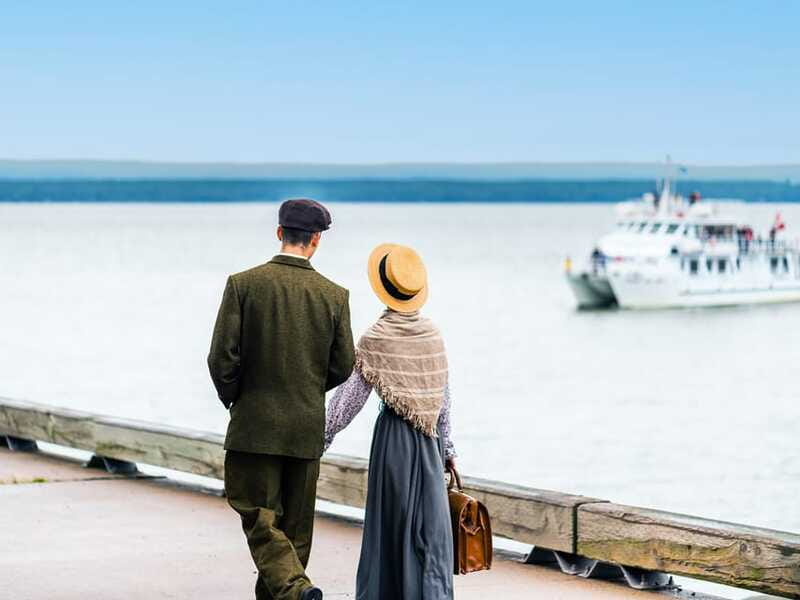
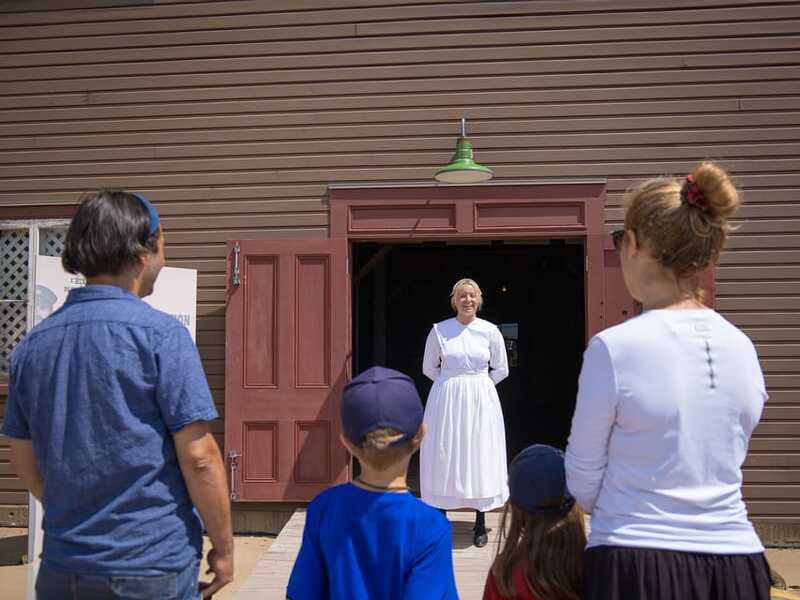
The costumed interpreters are one of the tour’s best teaching tools. Rather than hearing only dates and institutional facts, you meet characters who reveal the island’s stories through performance and conversation.
This approach works well for families and for anyone who finds formal historical tours dry. Children can connect with a person in period clothing more easily than with a paragraph about quarantine policy. Adults get a clearer sense of how the island functioned and how different people experienced it.
The performances do not replace the historical information. They add a human layer to it. You may hear about the hopes of immigrants, the work of the station, or the fears surrounding disease in a way that stays with you after the day ends.
The quality of guiding is a major strength here. Guides have been praised for being friendly, passionate, and well informed. Philippe, who has been associated with the trolley portion, received particular praise for making the visit enjoyable and easy to follow.
Language can affect the feel of the tour. English and French are available, and one English-speaking visitor happened to be the only English speaker on the day, resulting in what felt like a private tour. You should not count on that level of personal attention, but it shows that the guides can adapt to the group.
Still Quebec City, at a slower pace:
- Quebec City Walking Tour
★ 5.0 · 4,716 reviews - Quebec City: Guided Tour of Fairmont Le Château Frontenac
★ 4.7 · 3,027 reviews - Half-Day Trip to Montmorency Falls and Ste-Anne-de-Beaupré from Quebec city
★ 4.0 · 2,718 reviews - Tadoussac/Charlevoix: Whale Watching Zodiac Tour
★ 4.3 · 2,716 reviews
The Memorials and Family Connections
Grosse-Île can be particularly powerful for anyone researching ancestors who came through Quebec. The island preserves records and memorial spaces that may help connect family names to a real place.
I would not book this expecting a guaranteed genealogy search. The experience is a guided historical visit, not a dedicated family-history consultation. Still, if your relatives arrived in Canada during the years the quarantine station operated, bring the names and dates you know.
The glass memorial is one place where a family name may appear. The possibility of finding a name gives the visit a personal purpose, even if you do not find your own relatives. It also makes clear that the island’s story belongs to many families, not just to famous historical figures.
The memorials are best approached with patience. This is not a cheerful sightseeing stop in the usual sense. The scenery can be lovely, but the subject includes illness and death. I appreciate tours that allow the beauty of the island and the sadness of its past to exist side by side.
The Island’s Views and Open Air
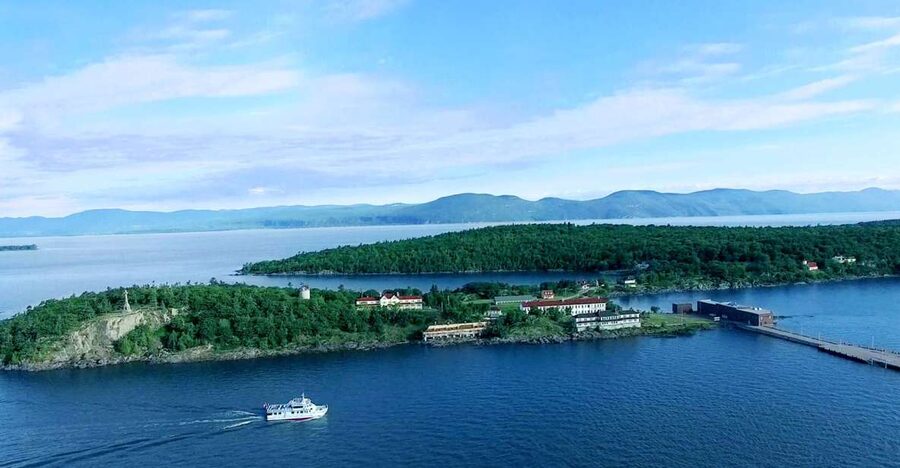
Grosse-Île offers broad views over the St. Lawrence and quiet natural surroundings. The open setting gives you a break from buildings and boat interiors, while the river helps you understand the scale of the journeys made by immigrant ships.
The natural scenery is not a separate attraction added to the history. It changes how the history feels. The island can appear peaceful now, yet it once carried the pressure of arrivals, medical inspections, crowded facilities, and fear of epidemics.
Bring comfortable shoes and clothes suited to the weather. The official information says the tour is not suitable for wheelchair users, so anyone with mobility concerns should confirm the current conditions before reserving. One older account describes staff helping parents in wheelchairs, but that does not override the stated accessibility limitation.
Photography should be worthwhile because the river views, preserved structures, and memorial areas offer varied subjects. Still, I would keep the camera secondary. The guides’ explanations are the reason to come.
Food, Timing, and What to Carry
The total duration is six hours. That includes the river crossing and the guided time on Grosse-Île, so plan this as the main activity of the day.
No food or drinks are included, and there is no restaurant on the island. Pack a lunch. This is one of the most important practical details, especially for families or anyone who needs regular meals.
Bring a credit card as well. Cash is not accepted on board, and the tour information specifically recommends carrying a credit card. You’ll also want:
- A packed lunch and water
- Rain protection
- Comfortable walking shoes
- Extra time for traffic and parking
- Any family names or dates connected to Grosse-Île
The boat has an enclosed area for rainy weather, but rain will not necessarily cancel the cruise. If you only want a sunny outdoor boat ride, this may disappoint. If you are happy to see the island in changing weather, the covered space keeps the day workable.
Is $73 a Fair Price?

At $73 per person, the price covers the river cruise, access to Grosse-Île, a guide, and the guided island tour. That is solid value for six hours, particularly because you are paying for two different experiences: a scenic water journey and a Parks Canada history program.
The price feels less attractive for a large family. One family found the ferry cost difficult when paying for five people, even though the service itself was good. At $73 each, a family of four pays $292 before transportation and lunch. Add taxi fares or parking, and the outing becomes a serious budget choice.
For couples, solo visitors, and anyone with a strong interest in immigration history, the value is easier to justify. You are not paying only for a boat trip. You are paying for access to a historic site that is not as simple to visit independently, along with expert interpretation and transportation across the river.
I would also compare the cost with your alternatives. A casual cruise may be cheaper, but it will not take you inside the quarantine station or explain the immigrant experience. A self-guided visit may offer more freedom, but this outing gives you structure, transport, and guides who can answer questions.
Who Will Get the Most From This Day?

I would recommend this tour to:
- People with Irish or Canadian family connections
- Anyone interested in immigration, public health, or social history
- Families with older children who can handle serious historical subjects
- Visitors who prefer guided sites to independent exploration
- English or French speakers looking for a full-day activity outside Quebec City
- Anyone who enjoys combining scenery with history
I would think twice if you dislike fixed schedules, need extensive accessibility support, or want a relaxed lunch stop on site. The tour is also a poor fit if you are looking for a short activity. Six hours is a substantial block of your Quebec itinerary.
The emotional tone matters too. This is not merely a pleasant river outing. The visit deals with illness, quarantine, loss, and the uncertainty faced by immigrants. The costumed characters and scenery make it approachable, but the subject remains serious.
Booking Advice and Final Verdict
I would book Grosse-Île if you want history that feels connected to real places and real families. The strongest features are the river commentary from the Lachance crew, the Parks Canada guiding, and the chance to see how the quarantine station operated.
Before reserving, confirm the departure time, plan your route to the marina, and pack lunch. If you are visiting during peak months, arrive early because parking and traffic can cause more trouble than the island visit itself.
For a family, calculate the full cost carefully. For an individual, couple, or history-minded visitor, $73 is a fair rate for a six-hour experience with transport, access, and guided interpretation. I would choose it over a standard sightseeing cruise if Grosse-Île’s story interests you.
FAQ
How long does the Grosse-Île cruise and tour last?
The experience lasts six hours, including the river cruise and the guided visit to Grosse-Île.
What is included in the price?
The price includes a guide, the river cruise, access to Grosse-Île, and the guided tour of the island.
Is food included?
No. Food and drinks are not included, and there is no restaurant on Grosse-Île. You should bring a packed lunch.
Can I pay with cash on the boat?
No. Cash is not accepted on board. Bring a credit card.
Is the tour offered in English?
Yes. Live guiding is available in English and French.
Does the cruise operate in the rain?
Cruises are not canceled for rain unless the weather creates a danger to passenger safety. The boat has an enclosed area.
Is hotel pickup included?
No. You must make your own way to the marina. Parking can be difficult, and traffic may be heavy during peak months.
Is the tour suitable for wheelchair users?
The provided tour information says it is not suitable for wheelchair users. Anyone with mobility concerns should confirm current conditions before booking.
Just added around Quebec City
- YQB Airport Transfer★ 5.0 · 41 reviews
- Wine Tasting on Ile d’Orleans★ 4.5 · 163 reviews
- Quebec City : Winter Magic Walking Tour★ 4.5 · 9 reviews
- Heritage Upper Town E-Bike Tour★ 5.0 · 6 reviews
- VIP Agritourism Tour of Île d’Orléans & Montmorency Falls (Lunch)★ 5.0 · 11 reviews
- Private Tour: Montmorency Falls & Ste-Anne-de-Beaupré from Québec★ 4.5 · 12 reviews
- 4 Hours Private Quebec City Guided Tour★ 5.0 · 83 reviews
- A Taste of History Walking Tour★ 4.5 · 86 reviews
Cruises & Boat Tours, compared.

Premium Tour, Boat & Journey Behind the Falls
Read our review →
Niagara Falls Day Tour with Optional Boat Cruise
Read our review →
Best of Niagara Falls Canada Premium Tour: Behind Falls and Boat
Read our review →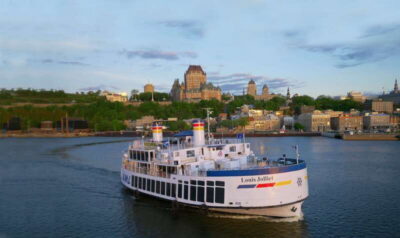

Niagara Falls Canada Day Tour From Toronto + Boat Cruise Option
Read our review →

Niagara Falls from Toronto: Skip-the-Line Boat & Skylon Tower
Read our review →
Niagara Falls, Canada: Evening Fireworks Cruise
Read our review →Browse the lists this tour appears in