Reviewed · VANCOUVER TOURS
Caribou – Discover the Best of the Rockies (8-Days)
The Rockies are the main event. This eight-day trip links Vancouver, Whistler, Revelstoke, Banff, Jasper, and Yoho National Parks in one busy sweep through western Canada. I like the strong mix of famous sights and smaller stops, from Moraine Lake and Athabasca Glacier to Indigenous food and culture in Merritt and Whistler.
I also like the built-in social side. You travel in a group of no more than 24, share hostel rooms, and spend long hours together on the Moose Bus. The possible drawback is the pace: you cover huge distances, wake early, walk often, and may get short nights. This is an active road trip, not a slow mountain retreat.
In This Review
- Five things to know before you book
- Who this Rockies tour suits best
- Day 1: From coastal rainforest to Revelstoke
- Day 2: Kayaks, suspension bridges, and Banff
- Day 3: The Icefields Parkway’s famous blue lakes
- Day 4: Icefields, waterfalls, and a long return to Banff
- Day 5: Your free day in Banff
- Day 6: Yoho’s waterfalls and a high-energy stop in Revelstoke
- Day 7: The road to Whistler
- Day 8: Indigenous culture and the Sea-to-Sky Highway
- Hostel rooms, meals, and the Moose Bus
- What to pack and how hard is it?
- Is $2,042.80 good value?
- Should you book Caribou?
- FAQ
- How long is the Caribou Rockies tour?
- What accommodation is included?
- Is transportation included?
- What meals are included?
- Is the tour suitable for children?
- How much luggage can I bring?
- Can I cancel for a full refund?
Five things to know before you book
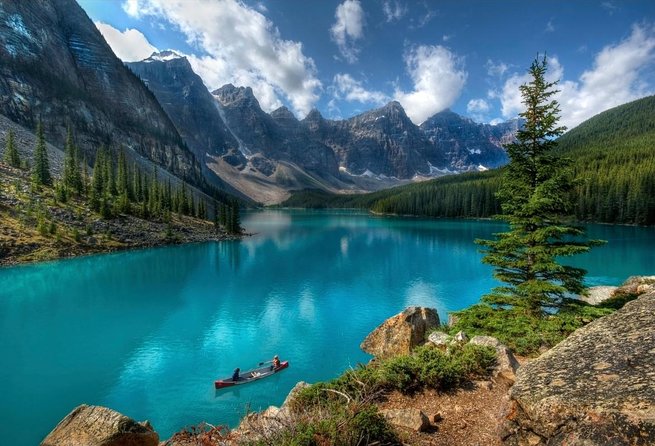
- Moraine Lake, Peyto Lake, and Lake Louise bring some of the most famous views in the Canadian Rockies.
- Eight days cover a lot of ground, with long bus rides linking British Columbia and Alberta.
- The trip uses mixed-gender hostel dorms, so privacy and quiet are limited.
- A free day in Banff gives you time for hiking, restaurants, breweries, or optional outdoor activities.
- The Squamish Lil’Wat Cultural Centre adds an important Indigenous perspective to the mountain scenery.
- Guide quality matters here, and the energetic Mike has been singled out for keeping the group cheerful, helpful, and together.
Who this Rockies tour suits best
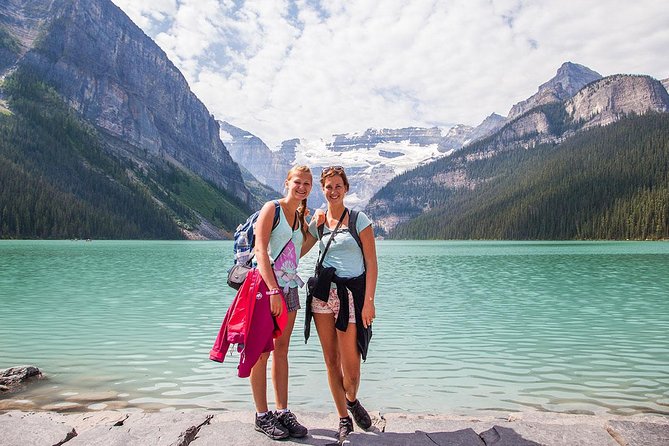
This trip is made for an adult who wants to see a great deal of western Canada without renting a car. You need to be at least 18, reasonably fit, and comfortable with short walks, changing weather, early starts, and time on the road.
The group size is capped at 24, which is small enough for a social feel without being a huge coach party. The shared dorm rooms help keep the cost down and make it easy to meet people from different countries. If you are traveling alone, this setup can be a real advantage.
I would not choose this trip if you want private rooms, long mornings in bed, or several quiet days in one place. The route is ambitious. You will see a lot, but you will not have hours at every stop.
A few more Vancouver trips worth comparing
- Vancouver Half-Day Whale Watching Adventure with Free Photos
★ 5.0 · 5,000 reviews - Big Bus Vancouver Hop-On Hop-Off Sightseeing Tour
★ 3.5 · 3,028 reviews - Victoria & Butchart Gardens Tour with Ferry from Vancouver
★ 4.5 · 2,703 reviews
Day 1: From coastal rainforest to Revelstoke
The opening day moves east from Vancouver toward the interior of British Columbia. At Bridal Veil Falls Provincial Park, you take a short walk through west coast rainforest to a waterfall. It is a gentle way to begin, but bring shoes that can handle damp ground and uneven paths.
Hope is a useful early stop for lunch supplies. The town calls itself the Chainsaw Carving Capital of Canada, so you get a quick look at one of the area’s more unusual local identities while stocking up for the road.
Lunch at Kekuli Café in Merritt is one of the trip’s more meaningful touches. The stop offers Indigenous food rather than another generic roadside meal. That gives you a chance to connect the journey with the people and cultures of the region, not just its mountains.
A short stop at the Last Spike Gift Shoppe follows. Here, the Canadian Pacific Railway’s final spike marks the 1885 link between eastern and western Canada. Ten minutes is brief, so think of it as a historical pause rather than a full museum visit.
The day ends in Revelstoke, a mountain town with a full evening ahead for rest. The travel time is substantial, and this first day sets the pattern: frequent photo stops, practical food breaks, and plenty of time in the bus.
Day 2: Kayaks, suspension bridges, and Banff
Revelstoke gives you an optional water activity with Natural Escapes. You can try kayaking on a lake in handcrafted wooden kayaks, surrounded by mountain scenery. The activity lasts about two hours and costs extra, so you should budget for it if you want a more active morning.
The Golden Skybridge is included. You walk across some of Canada’s tallest suspension bridges for wide views over the surrounding mountain country. This is a good stop for anyone who likes a little height and an easy dose of adventure without committing to a full-day hike.
The route then crosses Kicking Horse Pass into Alberta and Banff National Park. Reaching Banff feels like a major milestone because the trip finally enters the heart of the Rockies. You spend the night in Banff, giving you a base in one of Canada’s best-known mountain towns.
The schedule may feel packed, but the variety works well. You move from a paid activity to a major viewpoint and then into the national park. Keep your daypack handy, because the main luggage remains in the bus compartment.
Day 3: The Icefields Parkway’s famous blue lakes
Day three is devoted to the Icefields Parkway and some of the most recognizable stops in the Rockies. Lake Louise comes first, with about an hour to take in the lake and its mountain setting. It is one of the places where a short visit can feel too short, but the route has much more ahead.
Moraine Lake gets about 30 minutes and admission is included. Its turquoise water and the peaks of the Valley of the Ten Peaks make it one of the visual highlights of the whole trip. Thirty minutes is enough for photographs and a quick look, but not enough for a long shoreline walk.
Crowfoot Glacier is a brief 15-minute stop. The glacier is powerful to see from a roadside viewpoint, and the short visit keeps the bus moving along the parkway. If you want more time for every glacier and lake, you will need a slower itinerary than this one.
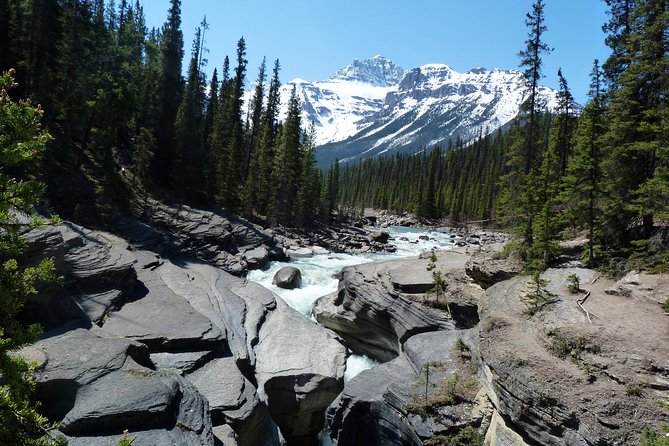
Peyto Lake receives about 30 minutes. Its wolf-shaped outline and bright blue-green water make it one of the most memorable viewpoints on the route. Mistaya Canyon follows, with a short walk to see the river cutting through rock formations.
I like this day because the stops are different rather than repetitive. You get a lake, a glacier, a second lake, and a canyon. The tradeoff is that the experience favors viewpoints over extended hikes.
Still Vancouver, at a slower pace:
- Vancouver: Covered Whale Watching Adventure with Free Photos
★ 4.8 · 2,260 reviews - Victoria and Butchart Gardens Day Trip from Vancouver
★ 4.5 · 2,242 reviews - Gastown Historic Walking Food Tour
★ 5.0 · 1,863 reviews - The Grand Bicycle Tour by Cycle City Tours
★ 5.0 · 1,827 reviews
Day 4: Icefields, waterfalls, and a long return to Banff
At the Columbia Icefield, you take a short hike to the toe of Athabasca Glacier. The icefield covers about 325 square kilometers, making this more than a single waterfall or lake stop. The walk is short, but proper clothing matters because mountain weather can change quickly.
Sunwapta Falls and Canyon provide a compact walk beside rushing water and steep rock. Athabasca Falls is another powerful waterfall in Jasper National Park, reached with a very short stop of about 15 minutes.
The day ends back in Banff, with about 12 hours allocated to the town and overnight stay. Note the geography: you visit Jasper National Park, but you do not sleep there on this schedule. Much of the day is spent covering the Icefields Parkway and returning to Banff.
That long return is one of the clearest signs that this tour values coverage over a leisurely pace. You get excellent scenery from the road, but you should expect a tiring day.
Day 5: Your free day in Banff
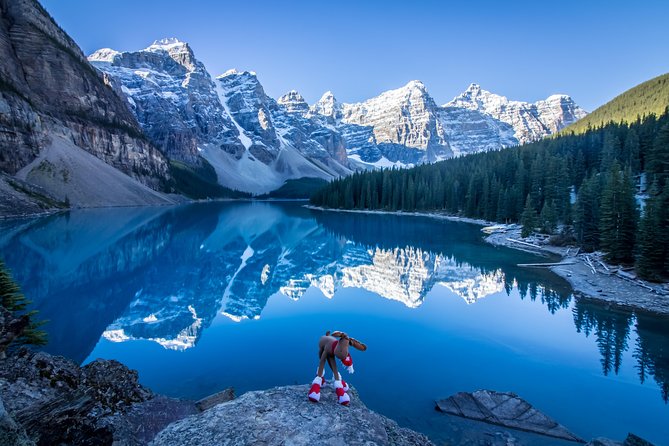
The free day is essential. After several days of moving between parks, you can choose your own rhythm in Banff.
You might hike, explore the town, eat at local restaurants, or sample Banff’s breweries. Optional activities include whitewater rafting, canoeing, and mountain biking. Your guide can help you choose among them, which is useful because the best option depends on weather, energy, and availability.
I would use this day to avoid overplanning. Banff is a good place to simply walk, take photographs, and recover from the bus schedule. If you prefer a full day of action, the optional activities give you that choice, but they are not part of the base price.
This free day also helps balance the hostel format and busy driving schedule. You get one day when the group’s timetable does not dictate every hour.
Day 6: Yoho’s waterfalls and a high-energy stop in Revelstoke
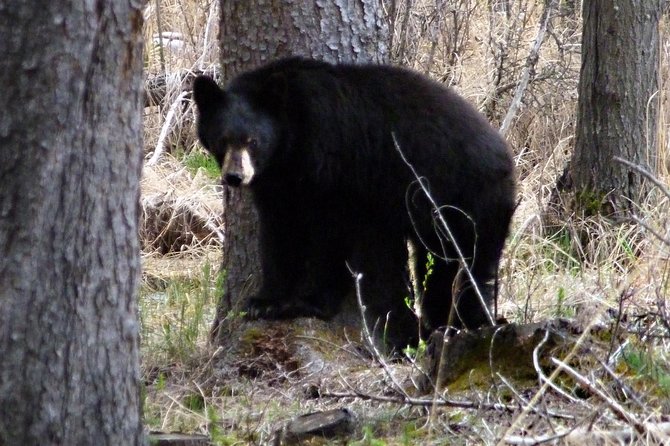
Takakkaw Falls is the first stop in Yoho National Park. The waterfall is one of Canada’s tallest, but this stop is seasonal and operates from late June to October. If seeing it matters to you, check that your travel dates fall within that window.
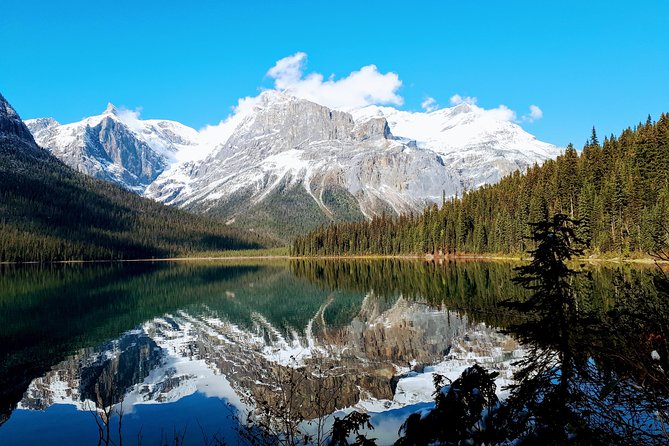
Emerald Lake offers a calmer hour. Its jade-colored water, forests, and surrounding peaks make it one of the easiest places on the trip to slow down and simply look around. Natural Bridge is a quick geological stop where the Kicking Horse River has cut an arch through the rock.
At Revelstoke Mountain Resort, the Aerial Adventure Park adds a physical challenge. You can swing, climb, jump, and free-fall through a four-story course with more than 50 obstacles. The obstacles range from beginner to advanced, and the included admission is a good value if you enjoy active attractions.
You then return to Revelstoke for the night. A pool or hot tub offers a welcome way to unwind, although the schedule still leaves little room for a long, lazy evening.
Day 7: The road to Whistler
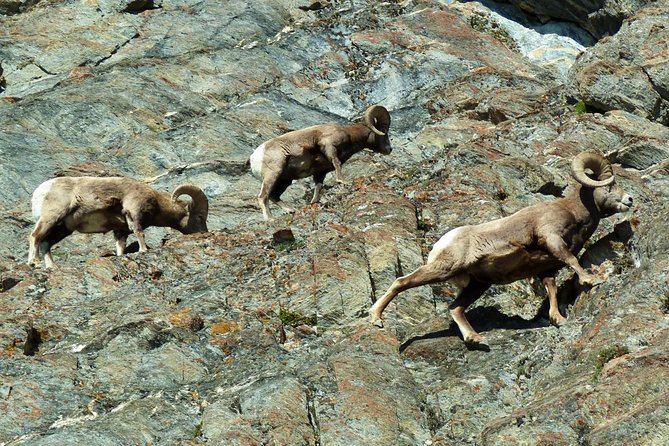
Day seven is mainly about the journey west. You pass Shuswap Lake, known for clear water and a scenic shoreline, then continue through Lillooet between the Fraser River and surrounding mountains.
Nairn Falls Provincial Park is the final nature stop before Whistler. The waterfall sits among forests and cliffs near the peaks around Pemberton. The visit lasts only about 15 minutes, so expect a quick look and photographs rather than a serious walk.
Whistler gets the evening. The plan emphasizes nightlife, with bars and clubs open for a final night of group fun. If you prefer a quiet evening, you may need to make your own plan, since the social energy is likely to be high after a week on the road together.
This is another long travel day, with about 12 hours allocated to Whistler. The payoff is arriving in one of British Columbia’s best-known mountain resorts without having to handle the driving yourself.
Day 8: Indigenous culture and the Sea-to-Sky Highway
The Squamish Lil’Wat Cultural Centre is one of the most valuable stops on the final day. You spend about two hours with exhibits, art, storytelling, and displays focused on the Squamish and Lil’Wat Nations. It gives you a clearer sense of the Indigenous cultures connected to the land around Whistler.
That cultural stop pairs well with the earlier Indigenous lunch in Merritt. Together, they prevent the trip from presenting western Canada as scenery alone.
The return to Vancouver follows the Sea-to-Sky Highway. Brandywine Falls is a quick 15-minute stop at a 70-meter waterfall. Stawamus Chief Park offers a look at the huge granite peak that dominates the corridor, while Shannon Falls provides another easy waterfall stop, dropping 335 meters through forest.
The final run along Burrard Inlet brings mountain views together with the Vancouver skyline. You finish back at the original meeting point, saying goodbye after eight days of shared buses, dorms, meals, walks, and long stretches of road.
Hostel rooms, meals, and the Moose Bus
Seven nights of mixed-gender hostel dorm accommodation are included. That keeps the price reasonable, but you should be comfortable sharing a room and giving up some personal space. Pack earplugs and keep valuables organized, even though the most important preparation is simply accepting the communal setup.
Breakfast, lunch, and dinner are listed among the inclusions, although the general meal wording says meals are included only as specified. Check the exact meal schedule before departure so you know how much extra food money to bring.
Transportation is by Moose Bus, with a professional driver-guide handling the route. That matters on a trip with mountain roads, national parks, and long distances. A good guide can also make the difference between a tiring transfer and an engaging day. Mike, named in connection with the tour, is described as energetic, cheerful, helpful, and strongly connected to nature.
One detail needs clarification before booking: paddleboarding on Skaha Lake is listed as included, while the daily schedule specifically describes optional kayaking in Revelstoke. Ask the operator when and where the paddleboarding takes place, and whether equipment and transport are included.
What to pack and how hard is it?
Bring one main bag weighing no more than 23 kilograms, with maximum combined dimensions of 158 centimeters. You may also bring one small daypack inside the passenger area. Oversize or overweight luggage can be refused, and accepted excess bags may cost $50 each.
You should have moderate physical fitness. The walks are generally short, but the trip includes canyon paths, waterfall viewpoints, glacier terrain, suspension bridges, and an aerial obstacle course. Dress for all weather, and carry a rain layer, warm clothing, sturdy walking shoes, sunscreen, and water.
The biggest physical challenge may be the rhythm rather than any single walk. Long bus rides, early starts, short nights, and repeated stops can wear you down. The free day in Banff is your chance to reset.
Is $2,042.80 good value?
At $2,042.80 per person, the cost is not low, but the package includes seven nights of accommodation, meals as specified, transport, a guide-driver, national park fees, Golden Skybridge admission, and paddleboarding as listed.
The value is strongest if you want a ready-made route through several major parks. Renting a car, paying for lodging, arranging park access, and planning the one-way route between Vancouver and Banff would take time and add costs. You also avoid handling the mountain driving yourself.
The value is weaker if you already have a car, want private accommodation, or plan to skip paid activities. Several optional experiences cost extra, including kayaking and activities on the free day.
The tour is booked about 95 days ahead on average, so I would not leave planning until the last minute. A current rating of 4.8 from 13 ratings, with 92 percent recommending the experience, suggests strong satisfaction, though the sample is modest.
Should you book Caribou?
Book it if you want maximum scenery in eight days, enjoy meeting people, and can handle hostel dorms, long driving days, and a full activity schedule. The combination of Banff, Jasper, Yoho, Whistler, the Icefields Parkway, Indigenous cultural stops, and included meals gives you a lot for the money.
Skip it if you need privacy, flexible timing, or long hikes at each stop. Before paying, confirm the meal schedule, the Skaha Lake paddleboarding detail, and the seasonal Takakkaw Falls visit. If those points fit your plans, this is a strong choice for an active first look at western Canada.
FAQ
How long is the Caribou Rockies tour?
The experience lasts approximately eight days and begins at 8:00 am in Vancouver. It ends back at the meeting point in Vancouver.
What accommodation is included?
Seven nights of accommodation in mixed-gender, hostel dorm-style rooms are included.
Is transportation included?
Yes. Transportation is provided by Moose Bus, along with the services of a professional driver-guide.
What meals are included?
Breakfast, lunch, and dinner are listed as inclusions. The general meal information also says meals are included except where specified, so confirm the exact meal schedule before departure.
Is the tour suitable for children?
No. The minimum age is 18.
How much luggage can I bring?
You may bring one main backpack, bag, or suitcase weighing up to 23 kilograms, with maximum linear dimensions of 158 centimeters. You may also bring one small daypack inside the bus.
Can I cancel for a full refund?
Yes. You must cancel at least six full days before the experience start time for a full refund. Cancellations two to six days before departure may receive a 50 percent refund, while cancellations less than two days before departure are not refunded.
Just added around Vancouver
- Private Transfer From Vancouver Airport to Vancouver Downtown★ 5.0 · 7 reviews
- Wild Whale Watching Experience – Open Air Vessel★ 5.0 · 158 reviews
- YVR Layover – Vancouver City Sightseeing Private Tour★ 5.0 · 7 reviews
- Whistler Sea 2 Sky Gondola, Shannon Falls Small Group Max 12 Tour★ 5.0 · 6 reviews
- Whistler and Sea to Sky Gondola, a Fire and Ice Discovery Tour★ 5.0 · 153 reviews
- Whistler: Sea to Sky Gondola Shannon and Brandywine Falls Tour★ 5.0 · 16 reviews
- Whistler 1-Day Tour from Vancouver (Chn&Eng)★ 4.0 · 6 reviews
- Rockies Western Canada Iconic Sites Tour★ 5.0 · 54 reviews
Vancouver Tours, compared.
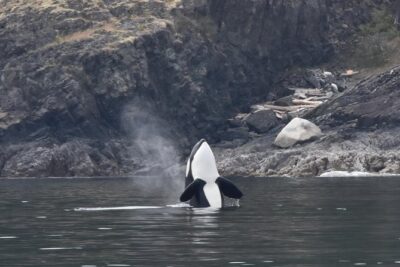
Vancouver Half-Day Whale Watching Adventure with Free Photos
Read our review →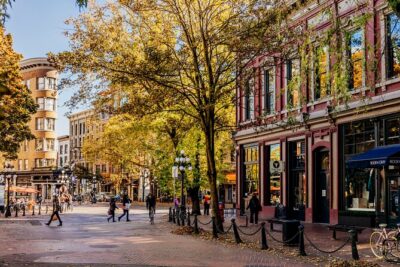
Big Bus Vancouver Hop-On Hop-Off Sightseeing Tour
Read our review →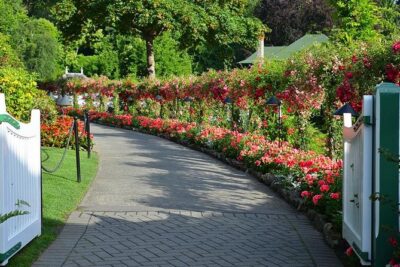
Victoria & Butchart Gardens Tour with Ferry from Vancouver
Read our review →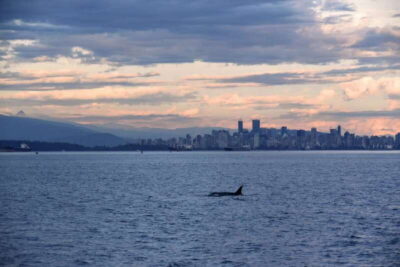
Covered Whale Watching Adventure with Free Photos
Read our review →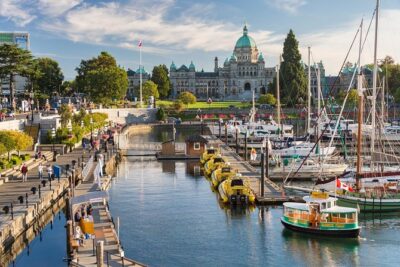
Victoria and Butchart Gardens Day Trip from Vancouver
Read our review →