
Reviewed · CANOES & KAYAKS
3 Day Algonquin Park Canoe Trip – Moose & Beaver Safari
Hear loons before breakfast. This three-day Algonquin Park canoe trip takes you beyond the easy day-trip routes, with canoe camping, wildlife searches, camp cooking, swimming, hiking, and time to simply listen to the woods. I like the small group of eight and the fact that canoes, tents, sleeping bags, permits, and safety gear are supplied. I also like the guide-led search for moose and beaver, with reported wildlife success around 90 percent, though nature keeps the final word.
The main caution is the physical effort. You should be comfortable paddling, carrying camp supplies, and spending long hours outdoors. Mosquitoes can be fierce, so a strong repellent with more than 30 percent DEET is a practical part of your packing list. Guide Andrew earned praise for his humor and canoe instruction, but even a well-run trip cannot promise moose every time.
In This Review
- Key points to know before you go
- Why three days changes the Algonquin experience
- Day 1: Canoe Lake training and the first paddle
- Day 2: A full day for moose, beaver, and quiet water
- Day 3: Packing camp and paddling 15 kilometres home
- What the supplied equipment really saves you
- Food, bugs, and the realities of camp life
- Is $555.96 a fair price?
- Who will enjoy this canoe trip most?
- Booking details and cancellation timing
- Should you book the Algonquin canoe trip?
- FAQ
- Where does the canoe trip start and finish?
- How long is the experience?
- How many people are in the group?
- Is canoe and camping equipment provided?
- Are meals included?
- Can I fish during the trip?
- What happens if the weather is poor?
Key points to know before you go
- Three days in Algonquin’s interior: You paddle beyond the reach of most short outings and camp in selected park sites.
- Eight people maximum: One guide leads a small group, making instruction and wildlife spotting more personal.
- About 15 kilometres back on Day 3: The return paddle is easier once you have learned the basics, but it still calls for steady effort.
- Nearly all major camping gear is supplied: You get a canoe, paddle, life jacket, tent, sleeping bag, pillow, hammock, and air pad.
- Wildlife is a goal, not a guarantee: Moose and beaver searches are central to the trip, with a stated 90 percent success rate.
- Food is a real part of the experience: The guide prepares camp meals using organic produce from a local farm, with dietary planning available if arranged ahead.
Why three days changes the Algonquin experience
Algonquin Provincial Park is much more than a scenic roadside stop along Highway 60. A short paddle can show you a pretty lake, but three days lets you settle into the rhythm of canoe country: paddle, portage, make camp, eat outdoors, watch the water, and wake to bird calls.
That extra time matters because wildlife rarely follows a sightseeing schedule. A moose may appear in the quiet hours. Beavers may be easier to spot when the water is calm. The trip gives you several chances to watch, rather than asking nature to perform during a one-hour outing.
You meet at Canoe Lake Access Point, also called Access Point 5, at the permit office on Highway 60 at kilometre 14.1. The meeting time is noon, and the trip ends back at the same location on Day 3. That simple arrangement is useful if you are driving yourself, since vehicle parking and camping permits are included.
The group normally has eight participants and one guide. That is small enough for the guide to watch your paddling, answer questions, help with camp tasks, and point out wildlife without making the trip feel like a large organized procession.
More Canoeing and Kayaking in Canada:
- Banff National Park Big Canoe Tour
★ 5.0 · 303 reviews - From Toronto: Algonquin Park Canoeing & Hiking Adventure
★ 4.6 · 291 reviews - Banff National Park: Big Canoe River Explorer Tour
★ 4.7 · 286 reviews
Day 1: Canoe Lake training and the first paddle
The first day begins at Canoe Lake beach, where you meet your guide and the rest of the group over lunch. This is not just a quick introduction. You receive canoe instruction, get familiar with the equipment, and learn how the group will travel together.
For anyone new to canoe camping, this training is important. Canoeing looks easy from shore, but steering, keeping a steady rhythm, and working with two other people in a boat take practice. The guide helps you get comfortable before the route becomes more demanding.
The canoes generally carry three people each. Paddles, life jackets, and a safety kit are supplied, so you do not need to arrive with your own canoe equipment. You will still need to bring a suitable backpack or duffle bag, since those are not part of the supplied gear.
From Canoe Lake, you paddle toward the park interior. The exact route can vary, but the purpose is clear: move away from the busy access point and into quieter country. The first day lasts about 10 hours, including lunch, instruction, paddling, and camp setup.
Expect the opening day to feel like the hardest adjustment. You are learning new strokes, getting used to the canoe, carrying your personal items, and helping establish camp. A moderate fitness level is required, and you should be ready for outdoor work rather than treating this as a seated sightseeing tour.
Once camp is ready, the pace changes. You have a tent, sleeping bag with a fresh liner, pillow, sleeping pad, and hammock. If you weigh more than 120 kilograms, a foam pad is supplied instead of the standard air pad.
The hammock is a nice touch. It gives you a place to read, rest, or watch the water between activities. A mesh dining shelter and bug jackets are supplied if needed, which can make mealtimes more pleasant during heavy insect periods.
Day 2: A full day for moose, beaver, and quiet water
The second day is the heart of the trip. It lasts about 14 hours, but the schedule is not a forced march from breakfast to bedtime. Your guide prepares breakfast, then the day can include paddling, wildlife observation, hiking, swimming, fishing, photography, or time in the hammock.
That flexibility is one of the strongest features. You can be active when the weather and energy levels are good, then slow down without feeling that you have missed a fixed list of attractions. The park is best appreciated when you allow stretches of quiet.
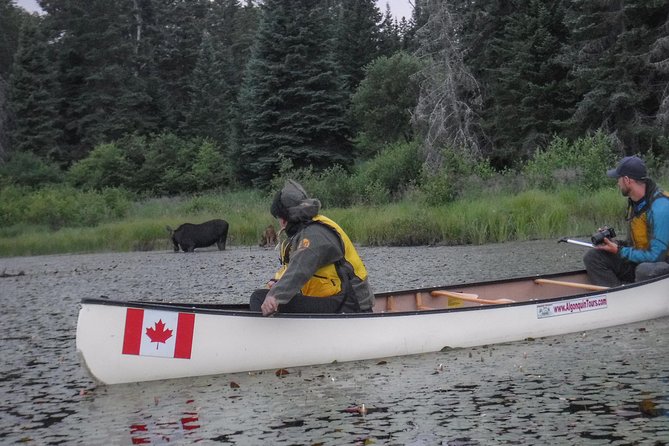
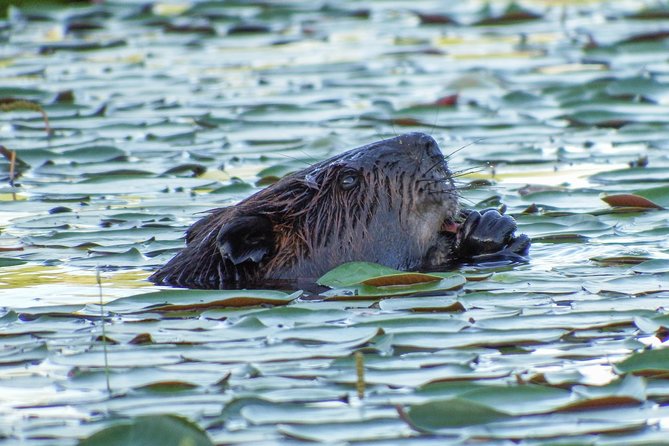
Moose and beaver observation are major goals. The stated success rate is 90 percent, but you should read that as a strong possibility, not a promise. A German-language review described an especially memorable early-morning canoe search, while another group did not see moose at all. That difference captures the bargain of wildlife trips: the search itself is rewarding, but sightings remain outside the guide’s control.
Your guide’s naturalist training adds value here. The guide is described as having advanced naturalist training, Wilderness First Responder certification, and food-handling certification. Those qualifications matter most when conditions change, someone needs help, or the group wants to understand what it is seeing rather than simply point a camera.
You may also have the chance to fish for bass and trout. The stated success rate is 90 percent, but you must bring your own fishing kit or rent one. Fishing is therefore an optional extra activity, not a complete equipment package.
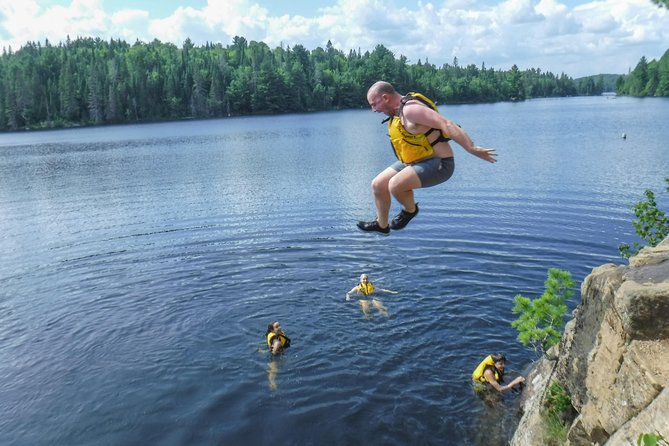
Swimming in clean lakes is included as an option, as are hiking and cliff jumping. Cliff jumping is optional, and it should be approached according to your own comfort and the guide’s directions. You can also look for wild berries and other edible plants when they are in season, with the guide helping identify what is safe.
The second day is also when the food and camp routine begin to feel natural. The tour includes gourmet camp cuisine using organic produce from a local farm. Breakfast, lunch, and dinner are listed with the inclusions, though each is marked optional in the supplied details, so confirm the exact meal arrangement when booking.
Simple dietary restrictions such as vegetarian, nut-free, lactose-free, and no-pork meals can be accommodated if you give advance notice. Vegan and gluten-free meals carry an additional charge of $50 Canadian dollars plus 13 percent tax, and must be arranged ahead of time. Serious allergies and health conditions, including diabetes or heart problems, should be disclosed before departure.
Day 3: Packing camp and paddling 15 kilometres home
On the final morning, the group packs supplies while the guide prepares breakfast. By this point, you should be much more comfortable handling a canoe, which makes the return paddle more manageable.
The trip back to Canoe Lake covers about 15 kilometres. That distance deserves attention. It may feel easier than the outward journey because you know the basics, but it is still a long day on the water. If your shoulders, back, or hands tire quickly, you should consider that before booking.
Day 3 lasts about six hours. After the final paddle, the experience ends at the original meeting point. The return to Canoe Lake makes transport simple, but there is no listed hotel transfer, so you need to arrange your own way to and from the access point.
A few more Canada trips worth comparing
- Algonquin Park: Guided Canoe Day Tour
★ 4.8 · 71 reviews - Algonquin Park 3-Day Deluxe Camping & Canoeing Adventure
★ 4.5 · 52 reviews - Algonquin Park 4-Day Deluxe Camping & Canoeing Adventure
★ 5.0 · 33 reviews - Algonquin Park: Canoe Camping Safari
★ 4.9 · 16 reviews
What the supplied equipment really saves you
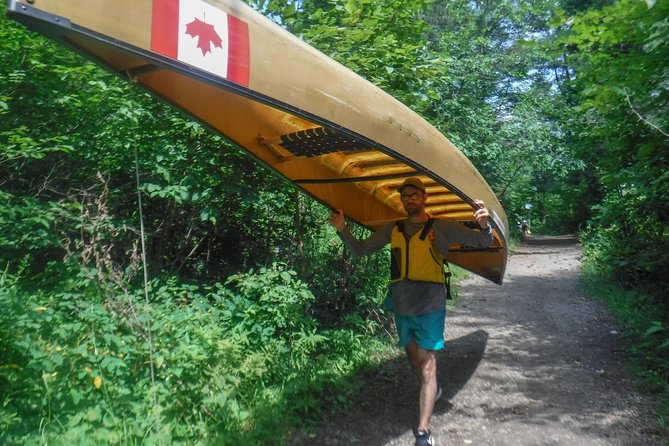
The price includes much more than a guided paddle. You receive the canoe, paddle, life jacket, and safety kit, plus a tent, sleeping bag, fresh sleeping-bag liner, pillow, and sleeping pad. That removes the need to buy or transport bulky camping equipment for a single trip.
You also receive a hammock, bug jacket, souvenir water bottle, camping permits, and parking. High-quality tour photos are shared through Facebook, which is useful if you want photographs without keeping your camera out during every paddle.
Several important personal items are not supplied:
- Flashlight
- Towel
- Fishing kit
- Backpack or duffle bag
Pack a flashlight even if you expect long summer evenings. A towel is needed for swimming, and a compact soft-sided bag is more practical than a hard suitcase. Since you will be carrying your own belongings, keep your load sensible.
The supplied gear makes this trip a good middle ground. You get the feel of canoe camping without purchasing a canoe, tent, sleeping system, and permits. You still need to accept the work of using that equipment outdoors.
Food, bugs, and the realities of camp life
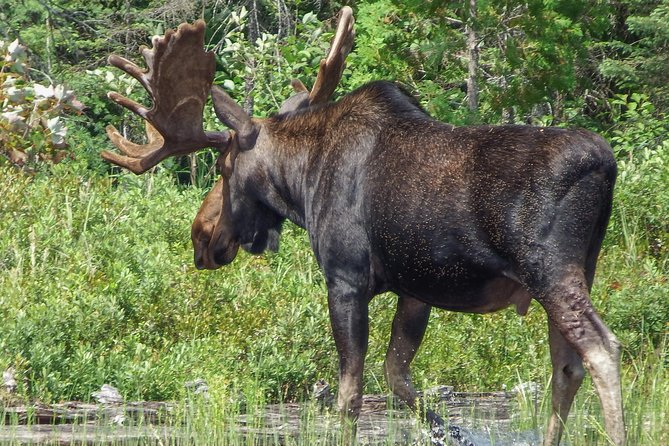
The food is part of the appeal. Organic produce from a local farm gives the camp menu a more thoughtful feel than basic packaged trail food, and the available information describes the meals as simple and tasty. You should still expect camp cooking, not restaurant service.
Bugs are the less charming part of Algonquin in warm weather. One account specifically warned that mosquitoes were difficult and recommended DEET above 30 percent. Take that seriously. The supplied bug jacket and screened dining shelter help, but they do not make insects disappear.
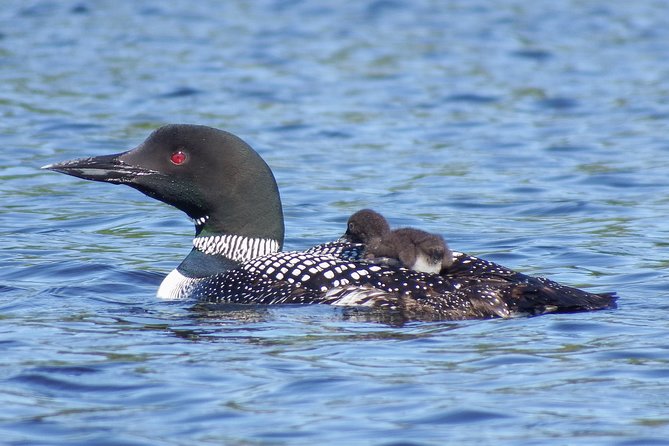
A hammock for every participant gives you a pleasant way to escape the cooking area and rest. You can read, take photographs, listen to loons, or simply sit quietly. The best moments may be the unscheduled ones, when nobody is trying to fill the silence.
You should also be ready for changing weather. The trip requires good weather and may be canceled if conditions are poor. In that situation, you are offered another date or a full refund.
Is $555.96 a fair price?
The listed price is $555.96 per person. That is not a cheap weekend outing, but the value becomes clearer when you count what is bundled into it: a professional guide, canoe equipment, camping equipment, permits, parking, selected campsites, meals as arranged, wildlife instruction, and three days of access to the park’s interior.
You are also paying for planning. Someone has chosen the campsites, organized the equipment, planned the food, managed safety, and taught the group how to travel by canoe. For a first canoe-camping trip, that support can save you from buying gear you may use only once.
The price is strongest for people who want a genuine camping experience but do not want to build it from scratch. It is less attractive if you already own a canoe, camping kit, and park permits, or if you prefer a short, low-effort nature outing.
A guide tip is not included. The suggested tip is 5 to 10 percent of the tour cost, paid in cash, so budget roughly $28 to $56 per person if you choose to follow that guidance. The possible dietary surcharge for vegan or gluten-free meals is another cost to confirm in advance.
Who will enjoy this canoe trip most?
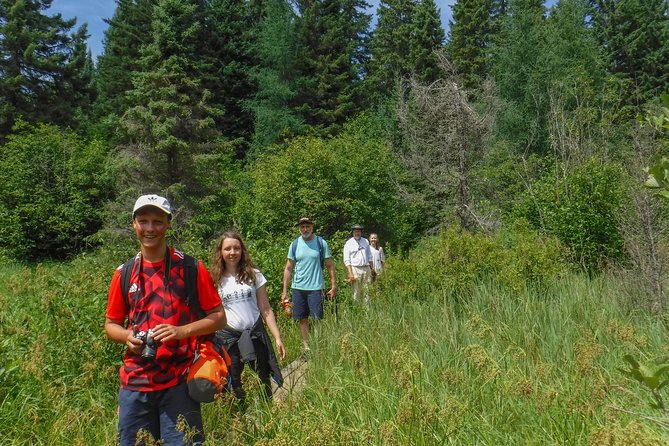
I would recommend it to you if you want more than a quick paddle and are comfortable with basic outdoor exertion. It suits first-time canoe campers because instruction and equipment are provided, while still offering enough distance and time to feel like a real wilderness trip.
Families can fit well into the format. A family group with two children shared the trip with another family and found that the four children created a lively group dynamic. The small group can make it easier for younger participants to receive help, though parents should judge their children’s stamina for paddling and camping.
This is also a good choice for solo visitors who like meeting people. The group size encourages conversation, shared camp duties, and new friendships without the scale of a large tour bus.
You may want to skip it if you dislike mosquitoes, wet-weather uncertainty, long paddles, or sleeping in a tent. You should also think carefully if you have a serious allergy or medical condition, then disclose it before booking so the operator can assess the arrangements.
The experience has a 4.9 rating from 27 published ratings, with 100 percent recommending it. The praise is strongest for the organization, the quality of the equipment, the park scenery, the canoe instruction, and guides such as Andrew, who was described as friendly, funny, and effective at teaching newcomers.
Booking details and cancellation timing
Confirmation is provided when you book, and the group is limited to eight people. The trip is usually booked about six days ahead, so you should not leave it until the last moment if your dates are fixed.
You can cancel for a full refund up to three full days before the local start time. Cancellations or changes made inside that window are not refunded or accepted. The operator may also cancel if the minimum group size is not met, in which case you are offered another date or experience, or a full refund.
Should you book the Algonquin canoe trip?
Book it if you want three genuine days in Algonquin, not just a view from the highway. The strongest reasons are the small group, supplied camping kit, thoughtful food, naturalist guidance, and the chance to search for moose and beaver at quiet hours.
Go in with realistic expectations. You may see wildlife, but no guide can command a moose to appear. You will paddle, carry gear, deal with mosquitoes, and sleep outdoors. Pack strong insect repellent, a flashlight, a towel, and a soft bag, then confirm meals and dietary needs before you go.
For a first canoe-camping experience, the price buys useful support and removes much of the equipment headache. For people seeking comfort or a guaranteed wildlife show, it is the wrong fit. For you if the sound of loons, a hammock by the water, and a long paddle into the park sound worthwhile, this is a well-planned way to get there.
FAQ
Where does the canoe trip start and finish?
It starts and finishes at the Canoe Lake Access Point Permit Office, Highway 60 at kilometre 14.1, in Algonquin Provincial Park. The meeting time is 12:00 pm.
How long is the experience?
The trip lasts approximately three days. Day 1 lasts about 10 hours, Day 2 about 14 hours, and Day 3 about six hours.
How many people are in the group?
The maximum group size is eight participants, normally accompanied by one professional guide.
Is canoe and camping equipment provided?
Yes. The supplied equipment includes a canoe shared by three people, paddles, life jackets, a safety kit, tent, sleeping bag with fresh liner, pillow, sleeping pad, hammock, and bug jacket. A foam pad is supplied for people over 120 kilograms.
Are meals included?
Breakfast, lunch, and dinner are listed among the inclusions, with each marked optional in the supplied details. Simple dietary restrictions can be accommodated with advance notice. Vegan and gluten-free meals require an additional $50 Canadian dollars plus 13 percent tax.
Can I fish during the trip?
Yes. Bass and trout fishing is available, with a stated 90 percent success rate. You must bring your own fishing kit or rent one.
What happens if the weather is poor?
The experience requires good weather. If the operator cancels because of poor conditions, you are offered a different date or a full refund.
Just added around Canada
- Small Group Stanley Park and Coal Harbour Segway Tour★ 5.0 · 67 reviews
- The Stanley Park Family Tour by Cycle City Tours★ 5.0 · 19 reviews
- Talking Trees: Stanley Park Indigenous Walking Tour Led by a First Nations Guide★ 5.0 · 86 reviews
- Vancouver to Whistler Seaplane Day Trip: Self-Guided Adventure★ 5.0 · 53 reviews
- Spoken Treasures: Stanley Park Indigenous Walking Tour★ 5.0 · 27 reviews
- Vancouver Stanley Park 3 Hour Bike Tour★ 5.0 · 124 reviews
- Snowshoe Through Vancouver’s Winter Wonderland★ 5.0 · 32 reviews
- Snowshoeing In Vancouver’s Winter Wonderland★ 5.0 · 11 reviews
Canoes & Kayaks, compared.
Banff National Park: Big Canoe River Explorer Tour
Read our review →
Snorkel, Kayak, and Seal Adventure: Vancouver Boat Tour
Read our review →
Wild Current Canoe Adventure Join a small group
Read our review →
River Explorer | Big Canoe Tour in Banff National Park
Read our review →
Browse the lists this tour appears in